


From their homeland in Japan all the way to America, Travis Japan has risen as a global sensation on a mission to spread positive energy through music

Amidst the euphoria brought about by Korean pop, J-pop continues to flourish while attracting more and more followers from around the world. With its combination of energetic choreography, unique visuals and bubble gum beats, J-pop offers something truly eclectic. And one of today’s headliners in this scene is none other than Travis Japan. Formed in 2012, the group named itself after American choreographer Travis Payne, who is renowned for his work with iconic figures such as the late Michael Jackson, Lady Gaga and Hong Kong star Andy Lau.
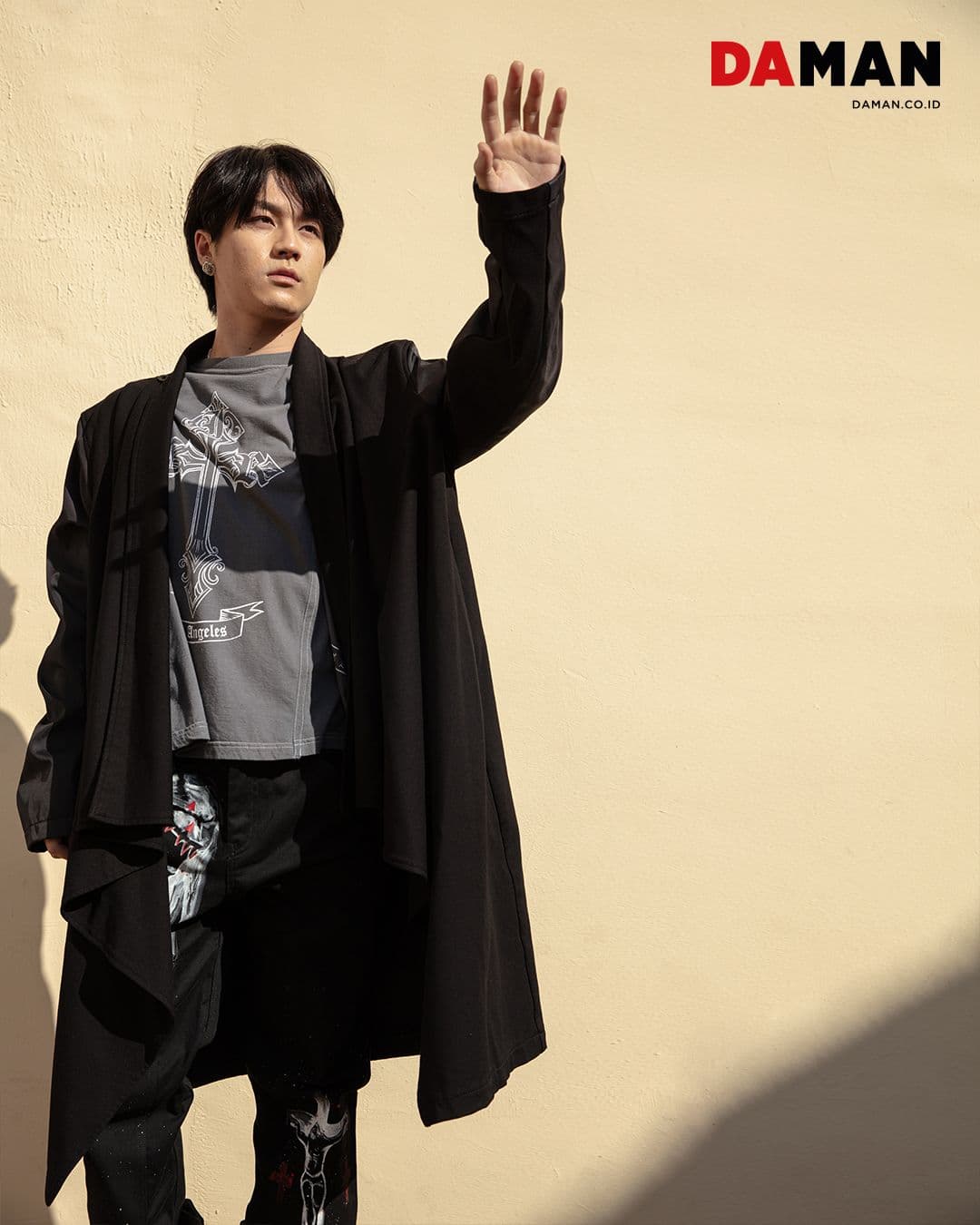
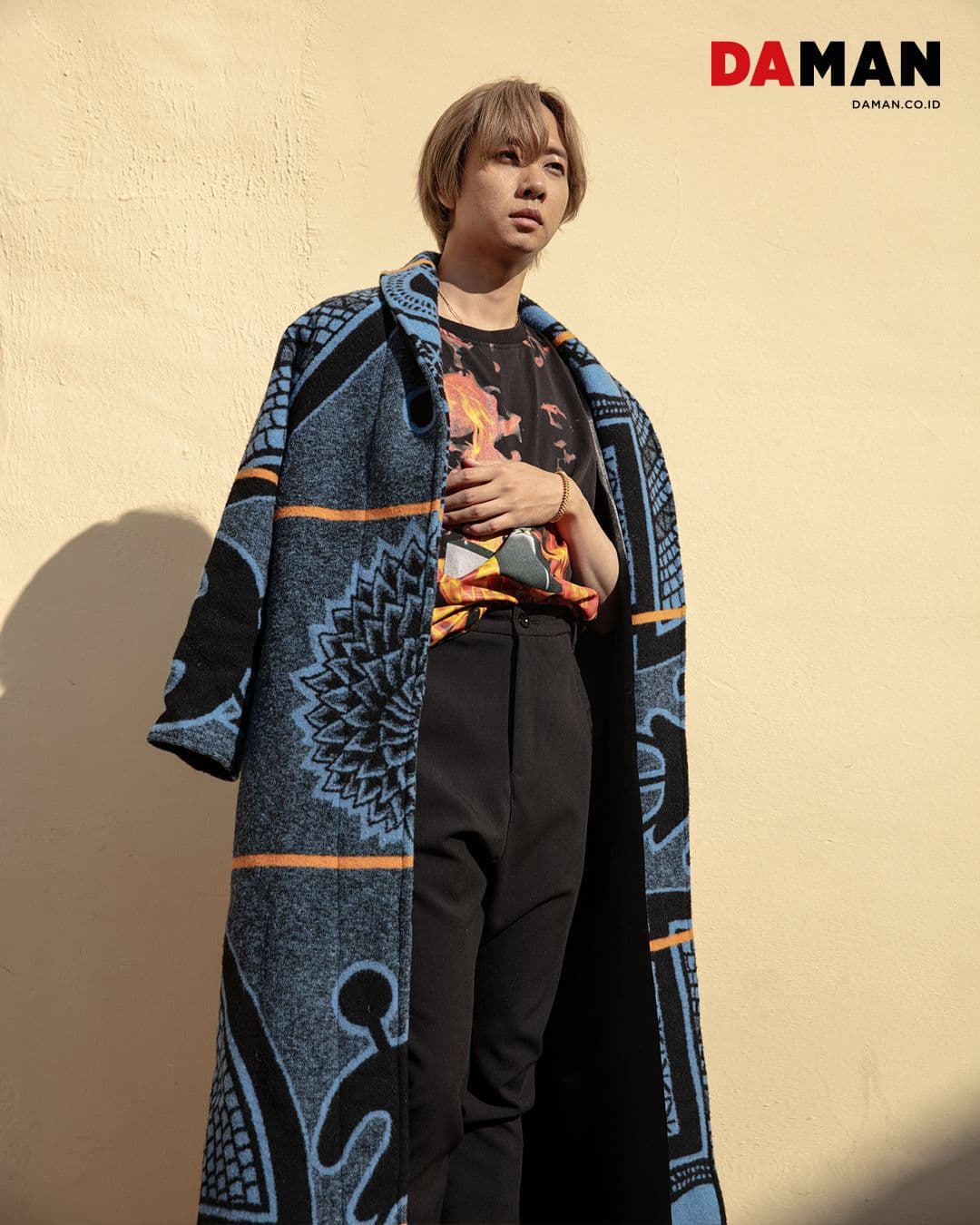

While initially formed as a ninemember act, Travis Japan eventually adopted a seven-member formation featuring Kaito Miyachika (Chaka), Kaito Nakamura (Umi), Ryuya Shimekake (Shime), Noel Kawashima (Noel), Shizuya Yoshizawa (Shizu), Genta Matsuda (Genta) and Kaito Matsukura (Machu).
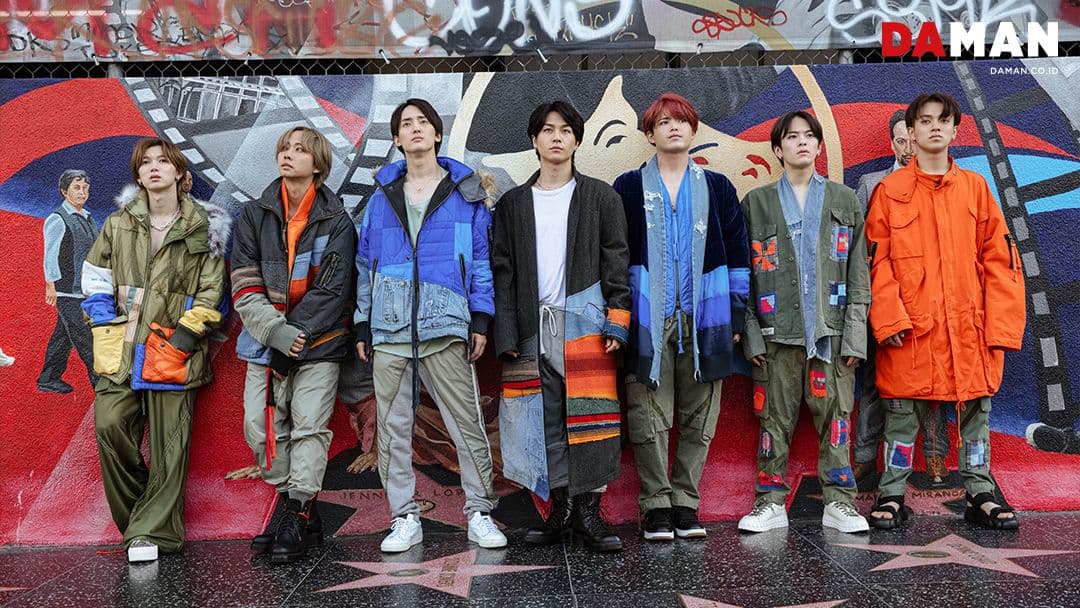
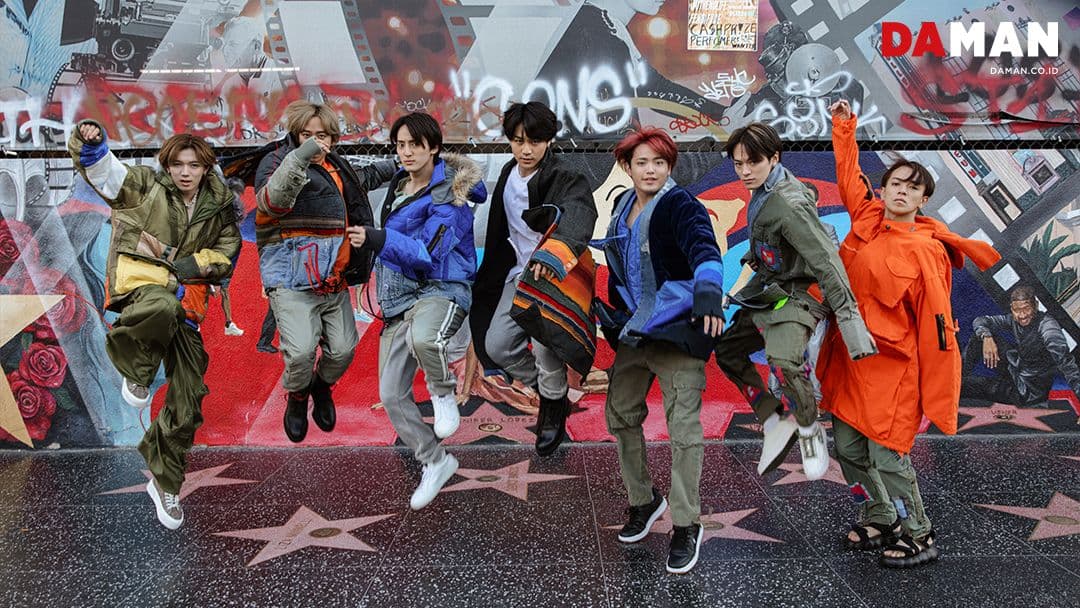
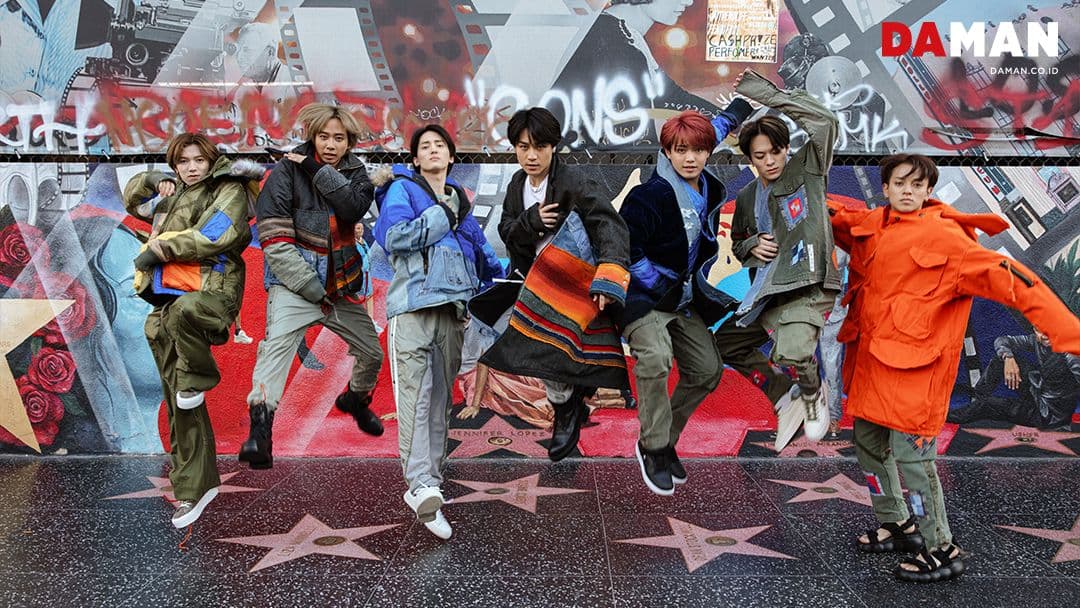
Then, in 2022, Travis Japan made the pivotal move to America. That same year, the group appeared on “America’s Got Talent” and released its debut single “JUST DANCE!”— further solidifying their status as a global sensation. The boy band went on to make J-pop history when “JUST DANCE!” took the No. 5 spot on Billboard’s Global Excluding. U.S. chart. Not too long ago, DA MAN talked with the group about their musical journey…
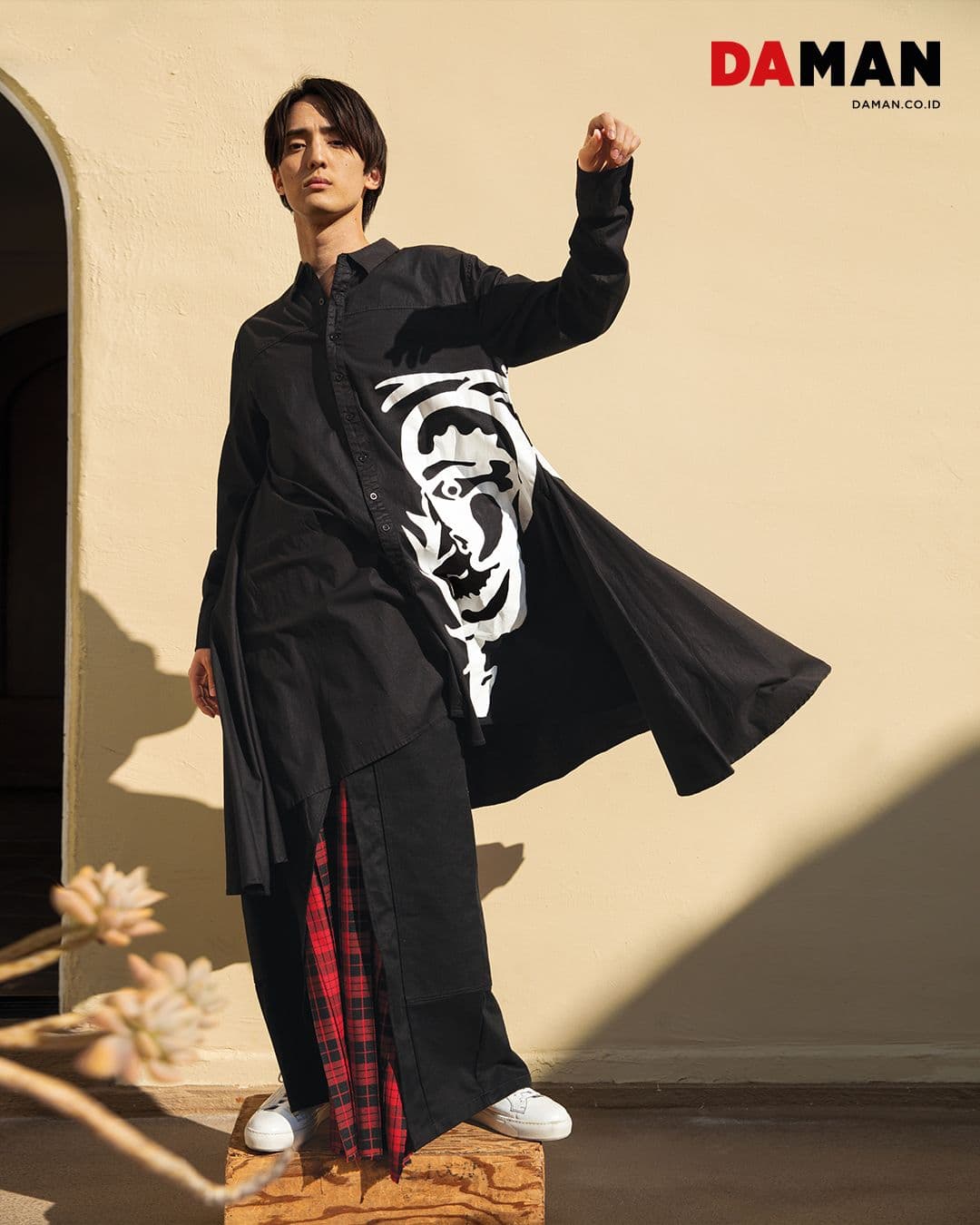
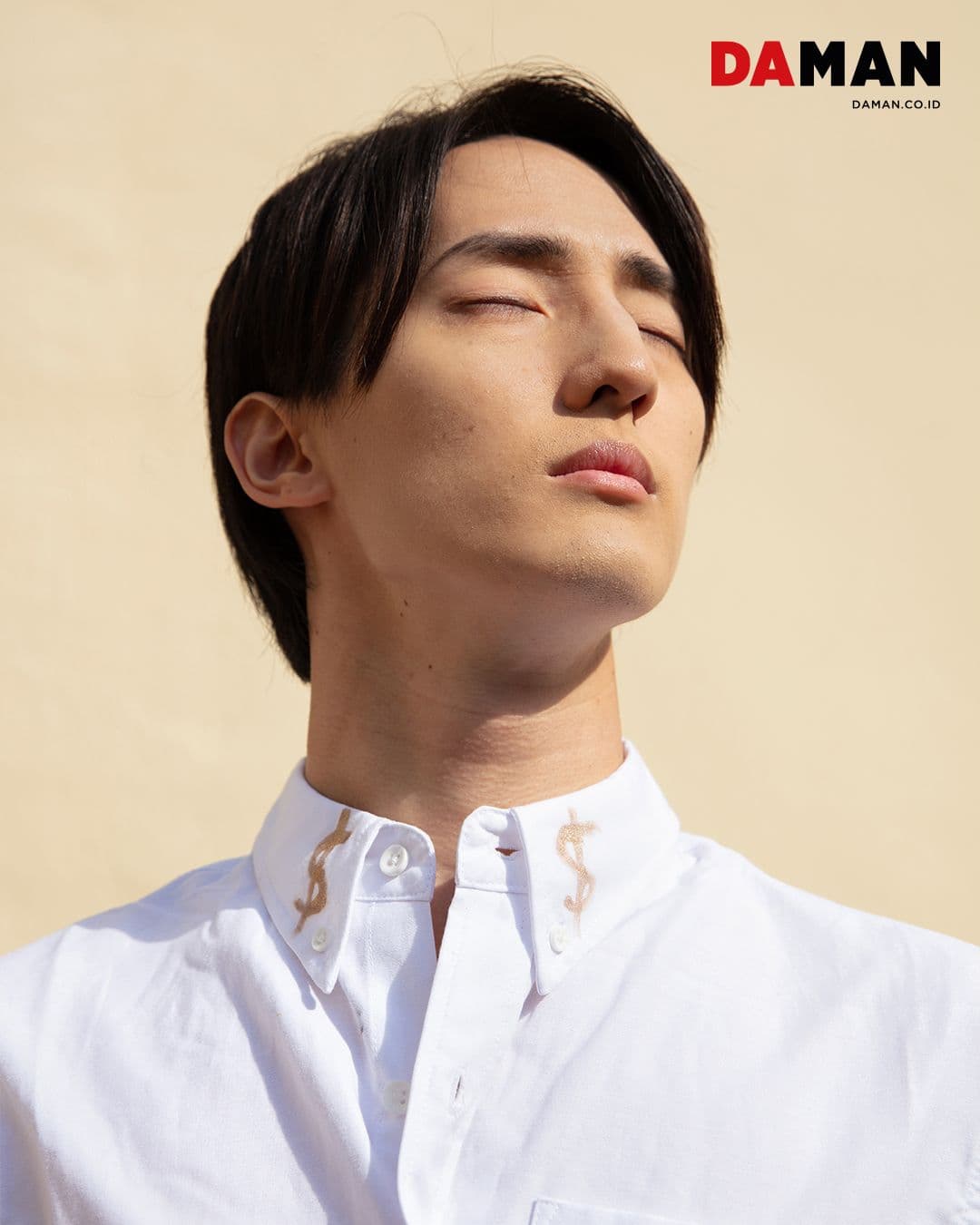
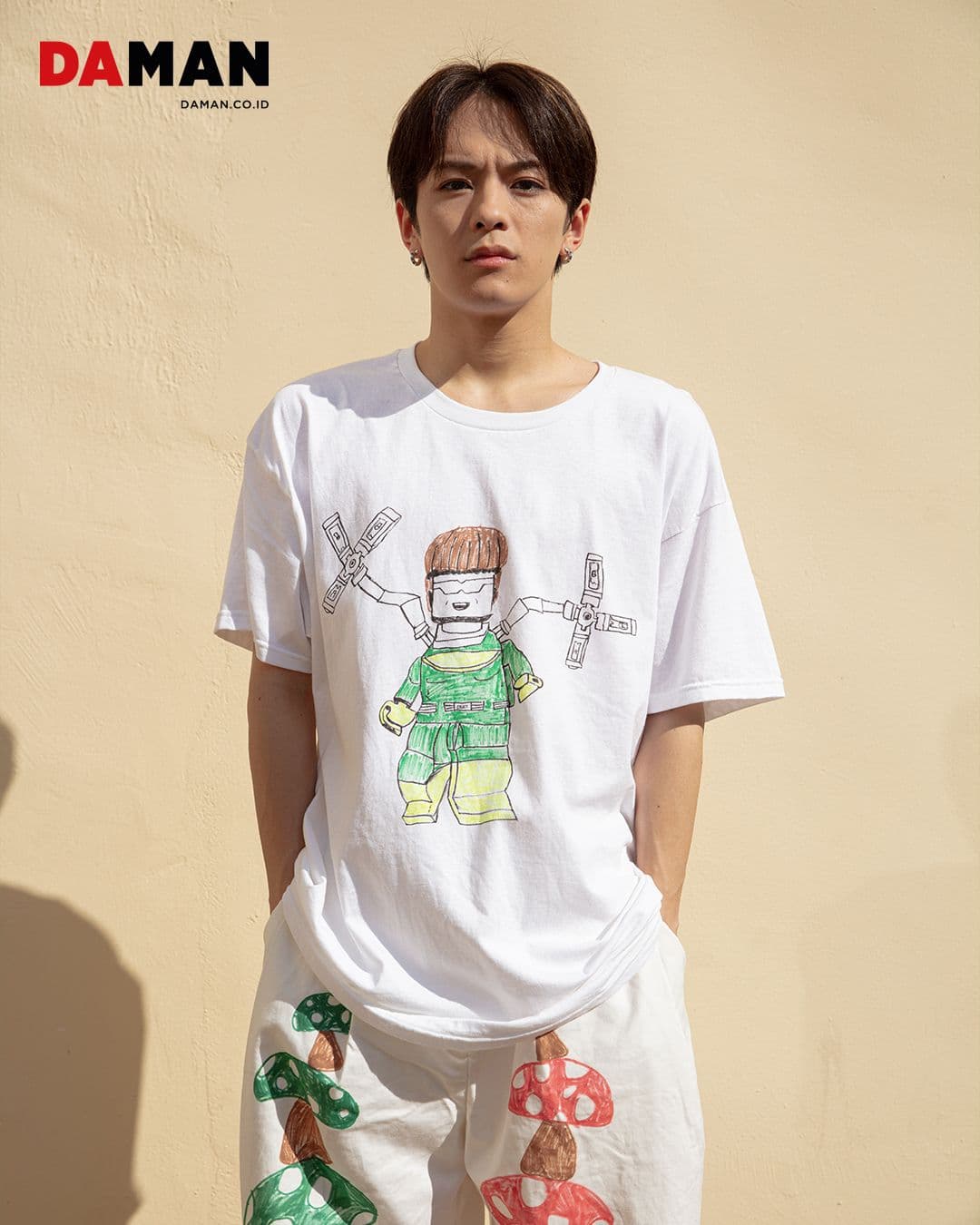
Shirt by Unknown Union; skirt by C.I.R; sneakers by Adidas
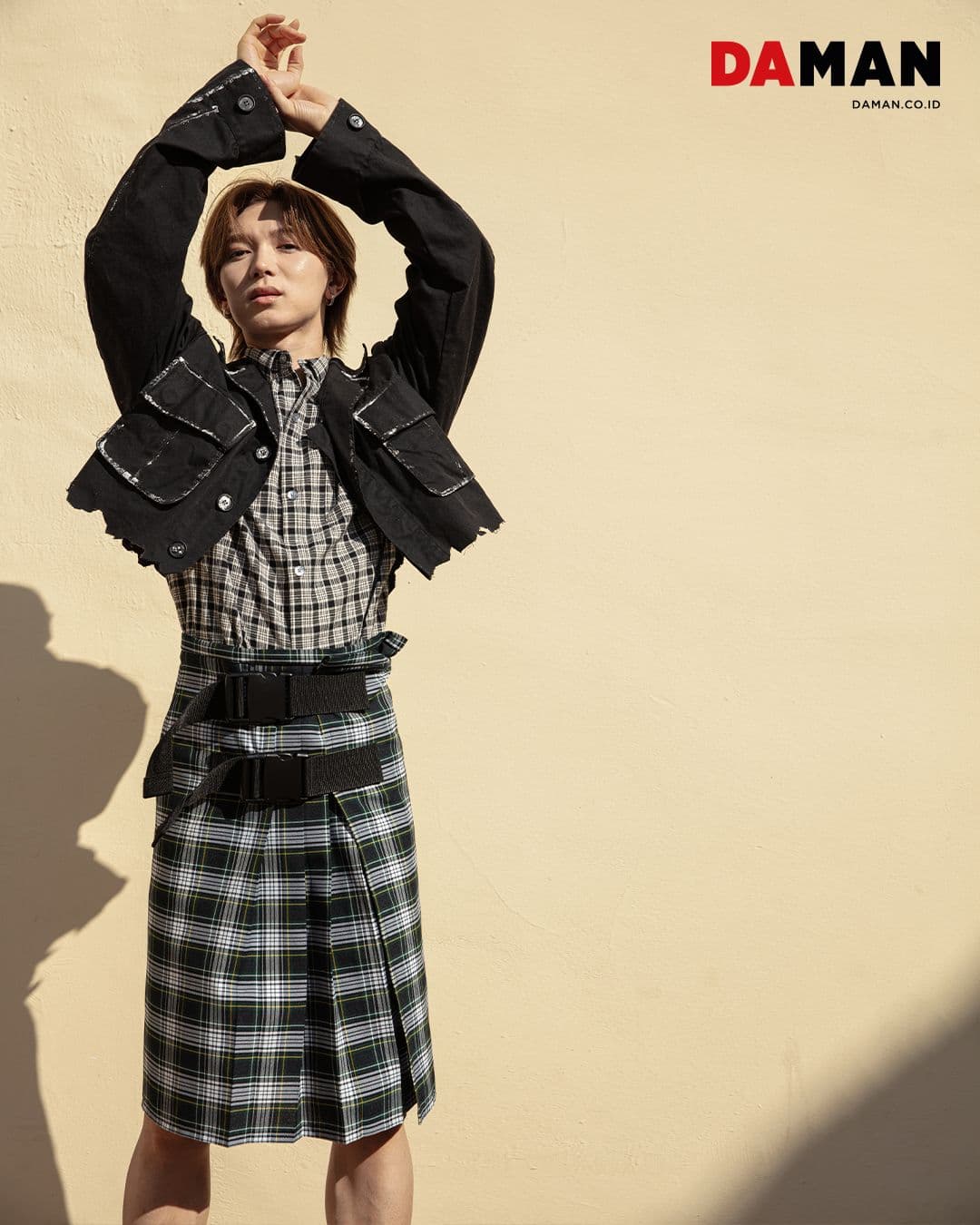

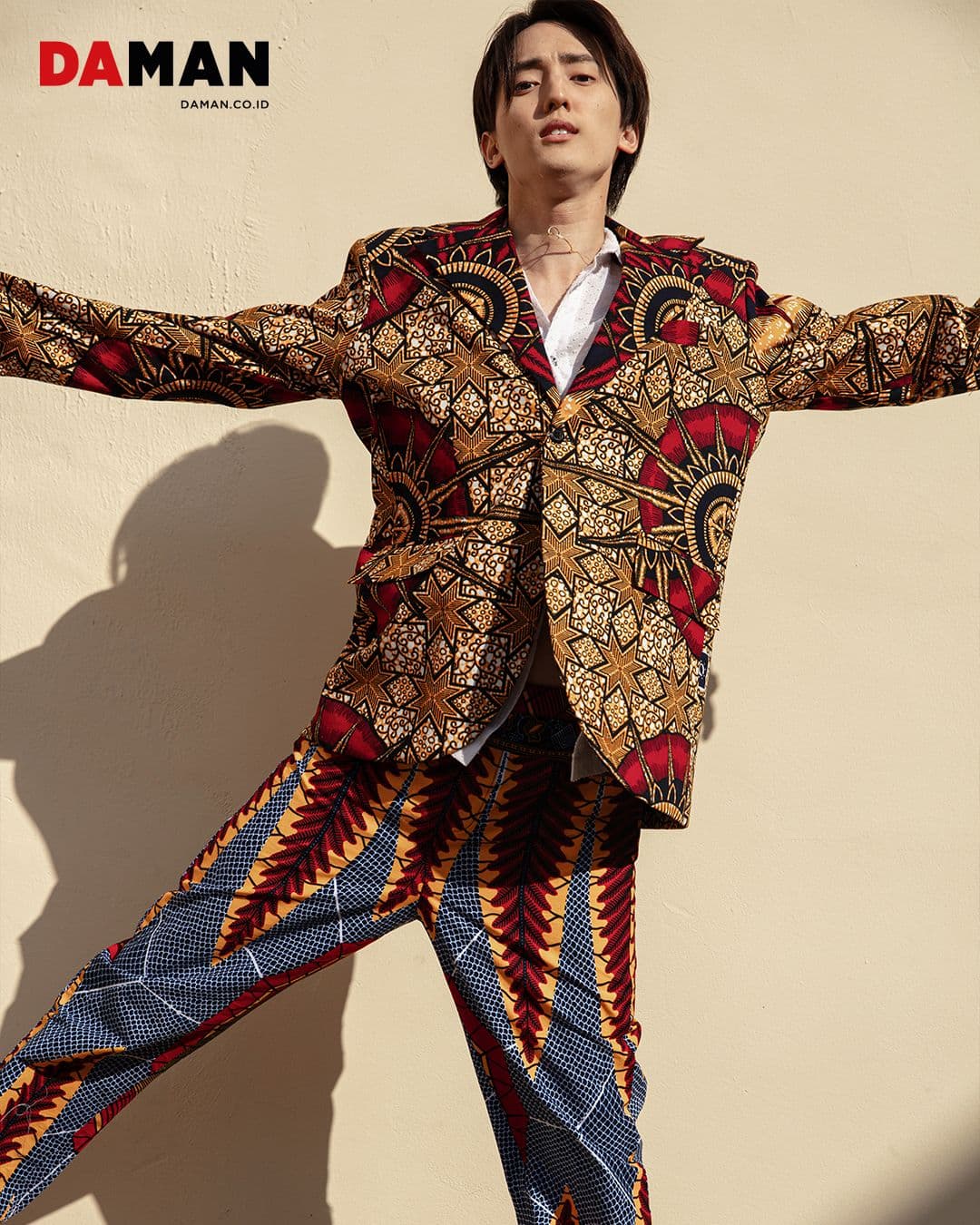
DA: How would you describe your musical influences?
Noel: We try to do our own thing and not overly focus on any particular group or artist. We respect everyone but don’t want to be just “another one” of anyone else’s type. Instead, our surroundings influence us. We learned a lot about different cultures, styles and sounds when we were in Los Angeles, and we’re continuing to learn and grow now that we’re back home in Japan.
Chaka: We love to watch other groups and artists. There’s so much talent worldwide, whether it’s J-pop, K-pop, American music or our fellow contestants on “America’s Got Talent” last year.

DA: Your group composition features a mix of really diverse personalities. So, how do you create music and perform consistently?
Shizu: We work together. We each give our opinions and, from there, we weigh our options and think about how to incorporate them into one performance. Chaka and Noel are really good at summarizing what we all want and then putting everything together in a truly cohesive and artistic way.

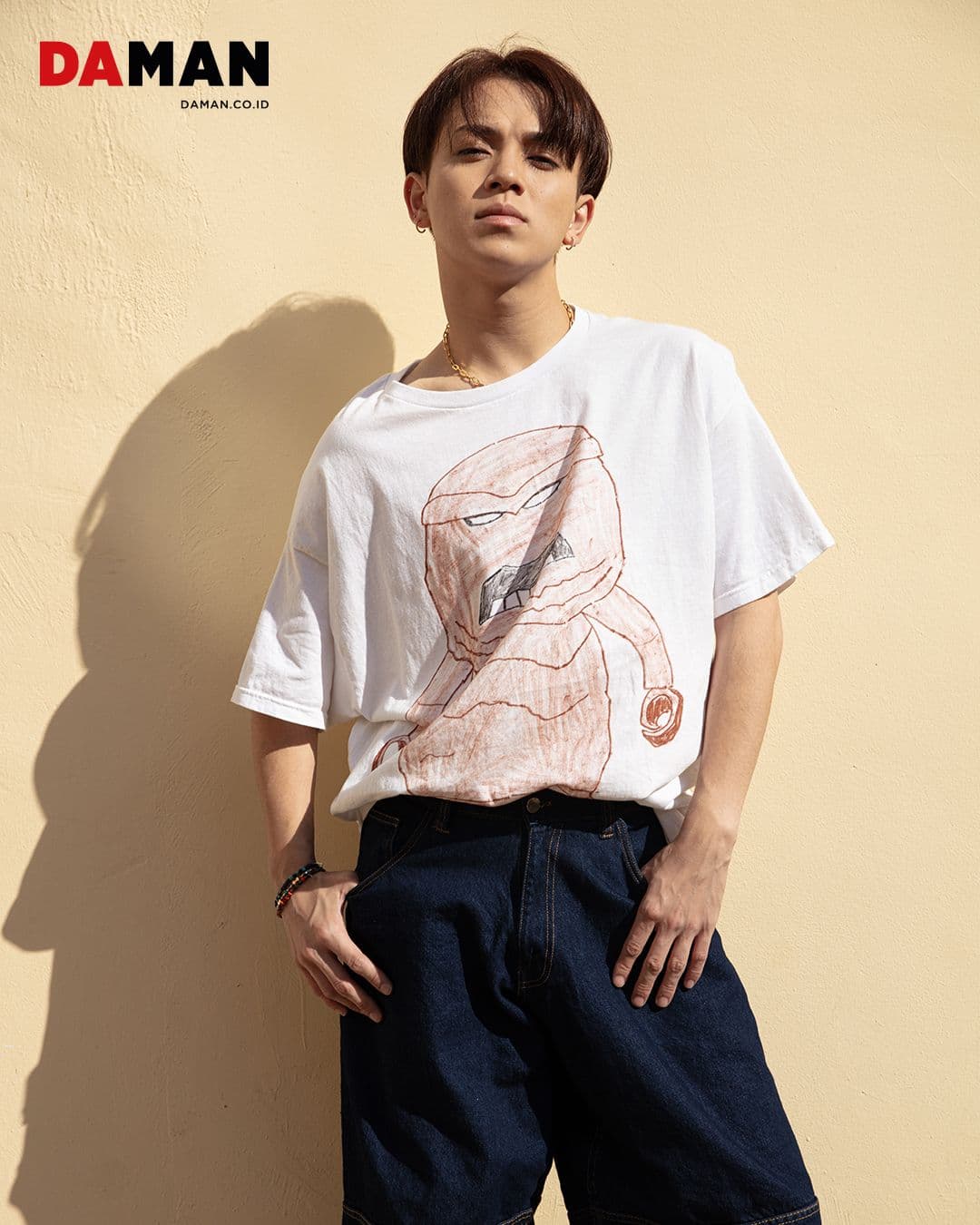
Shirt and jeans by C.I.R

DA: Last year, you made the decision to move to America. What does this step mean to you?
Genta: As part of our desire to debut, we wanted to train and learn about entertainment worldwide. We want our fans to know us as Travis Japan and be something new and different. We worked together every day and lived in a house with just the seven of us. It made us closer and better. For better or worse. We’re brothers. It was a great experience.

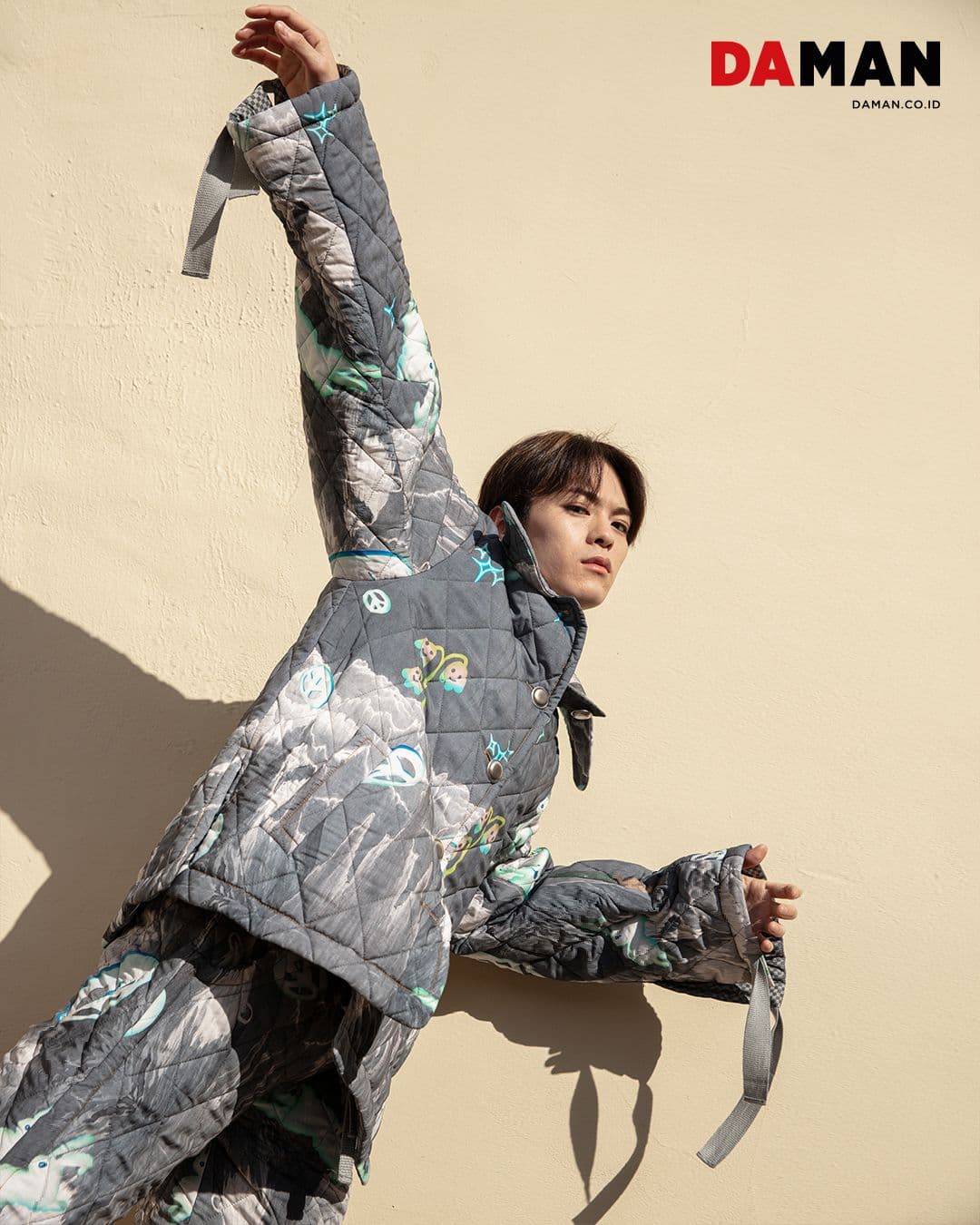
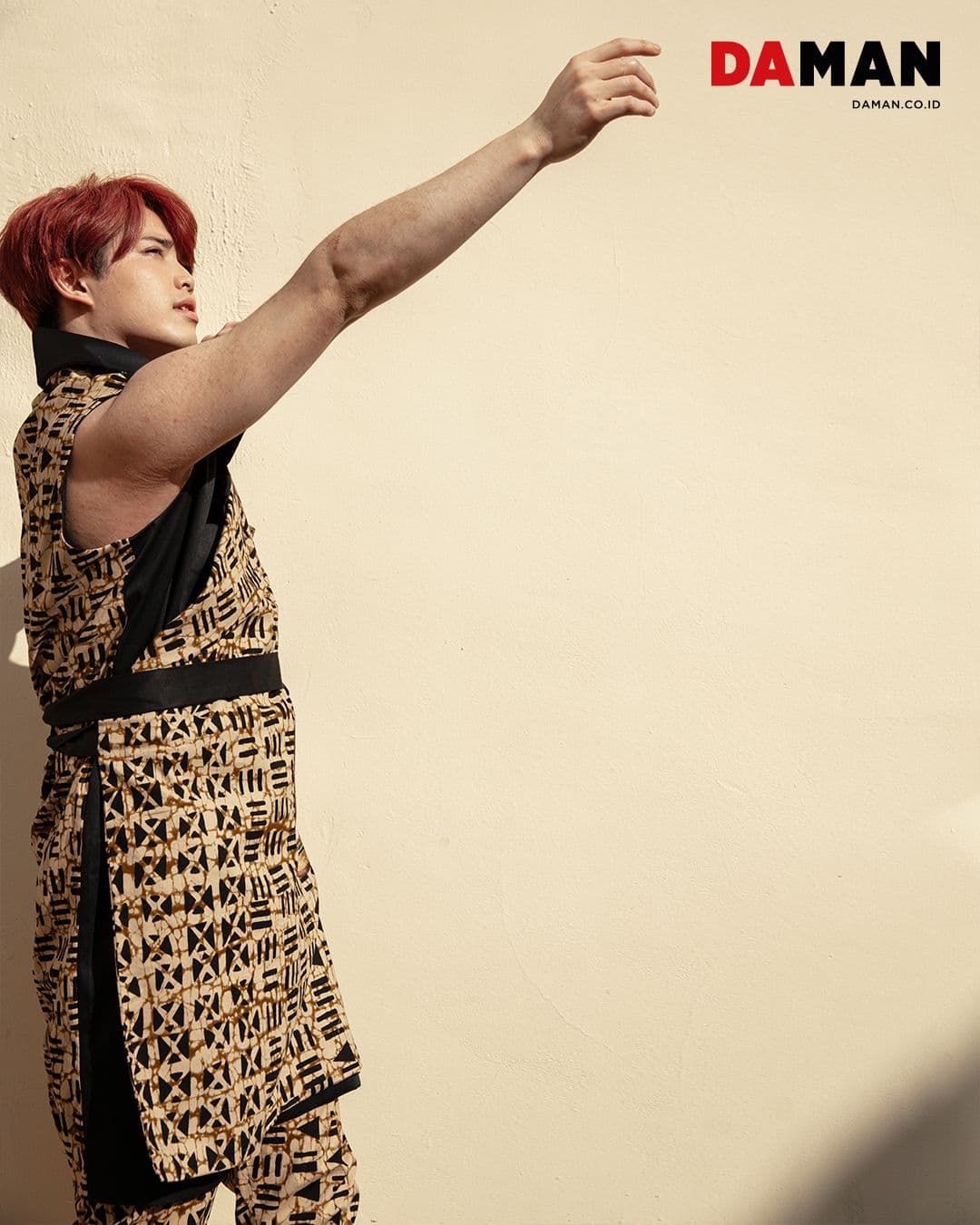
Shirt by Maison Audmi; pants by Aloha Glamour

DA: What were some of the challenges you experienced during your adventure in the U.S.?
Shime: We all took vocal and dance lessons in various genres, which inspired us to learn more—especially the styles we had never tried. We worked with a lot of different people.

Trench coat and pants by Chereshnivska; vest by Aloha Glamour; necklace by Angry & Sexy

DA: Your international debut single “JUST DANCE!” was released last year. Can you tell us more about what this track means to you?
Noel: “JUST DANCE!” represents Travis Japan because we love dancing. Even when we’re 60 or 70, we will never quit dancing. The part of the lyrics of “JUST DANCE!” that says “Any way you want, when you feel a spark, it doesn’t matter where you’re from or who you are” means a lot to me. We, as Travis Japan, are challengers. We want to try everything all over the world. It doesn’t matter where you are from or who you are; just dance and have a good time with us. This is our core identity and also our core message.


DA: Moving onto your first EP, “Moving Pieces,” which was released in June this year. Tell us about the creative process behind the album…
Machu: We went to Miami to record with Poo Bear, who produced “Moving Pieces.” Poo’s way of recording is unique. Usually, we sing along to the backing track in a secluded booth, separated from the control room. But with Poo, we recorded in the control room to a click, not the actual backing track. It’s not something I’ve experienced before. Poo’s style inspired me. I thought it was very fresh and we made a great song.
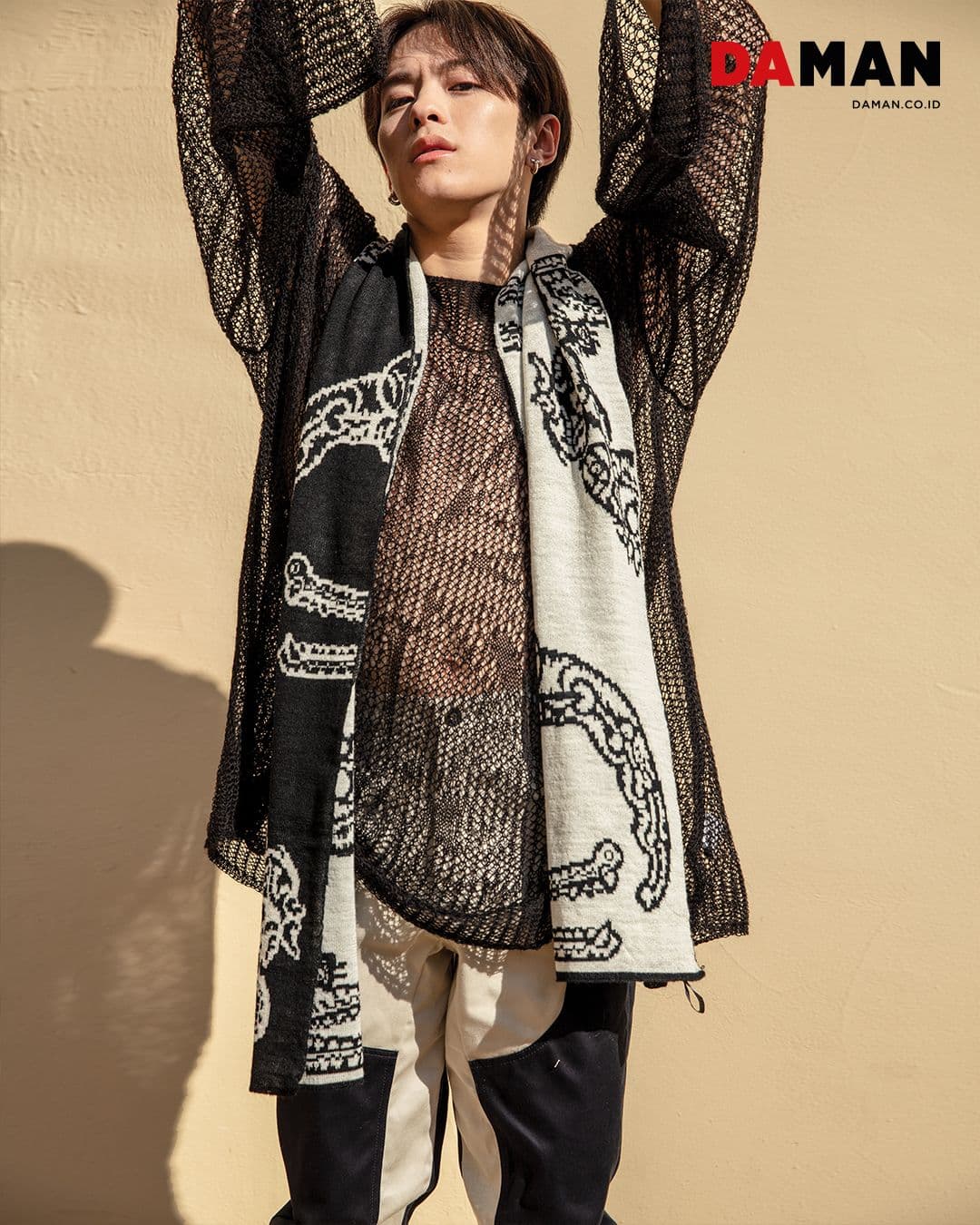
Sweater and scarf by Unknown Union; pants by C.I.R
DA: The EP’s title track, “Moving Pieces,” came with a video showing psychedelic visual elements and captivating dance moves. What was the concept behind this music video?
Noel: We went along with the director’s idea. He likes using computer graphics and specific lighting, which worked very well with a song like “Moving Pieces” and which I knew would have interesting visuals from the start. It can feel like a mismatch in some ways, but it was intentional and exciting—and we wanted to do it.

DA: Let’s discuss your journey on “America’s Got Talent.” What was it like being on the show?
Genta: We worked very hard from the audition to the semi-finals. Then, in the semi-finals, Howie pressed the buzzer. But I think it’s an honor nonetheless to have been able to dance on the “America’s Got Talent” stage in Hollywood. I’m grateful that all seven of us could perform there together. It helped show us what we needed to work on as a group. It was a good time and a great experience that helped shape the future of Travis Japan.
DA: Are there any specific moments or occurences from your time on “America’s Got Talent” that you find particularly memorable?
Shizu: The performance, for sure. But I was able to experience a new way of shooting that I hadn’t experienced at that point in Japan, such as dancing “My Dreamy Hollywood” for the B-roll. It was fun. Also, while doing “America’s Got Talent,” our characters within the group became clearer. It was fun to experiment and play with different character styles like athletes.



DA: What’s the most unforgettable performance you’ve ever done throughout your journey so far?
Umi: I would say it was when we were able to perform “JUST DANCE!” in front of everyone at our debut concert. We hadn’t had a show for several months, so it was nice to finally be with everyone in person and hear their cheers mixed with the whirlwind of our emotions. We were happy to be able to deliver the finished version of the song to all the fans who have supported us.
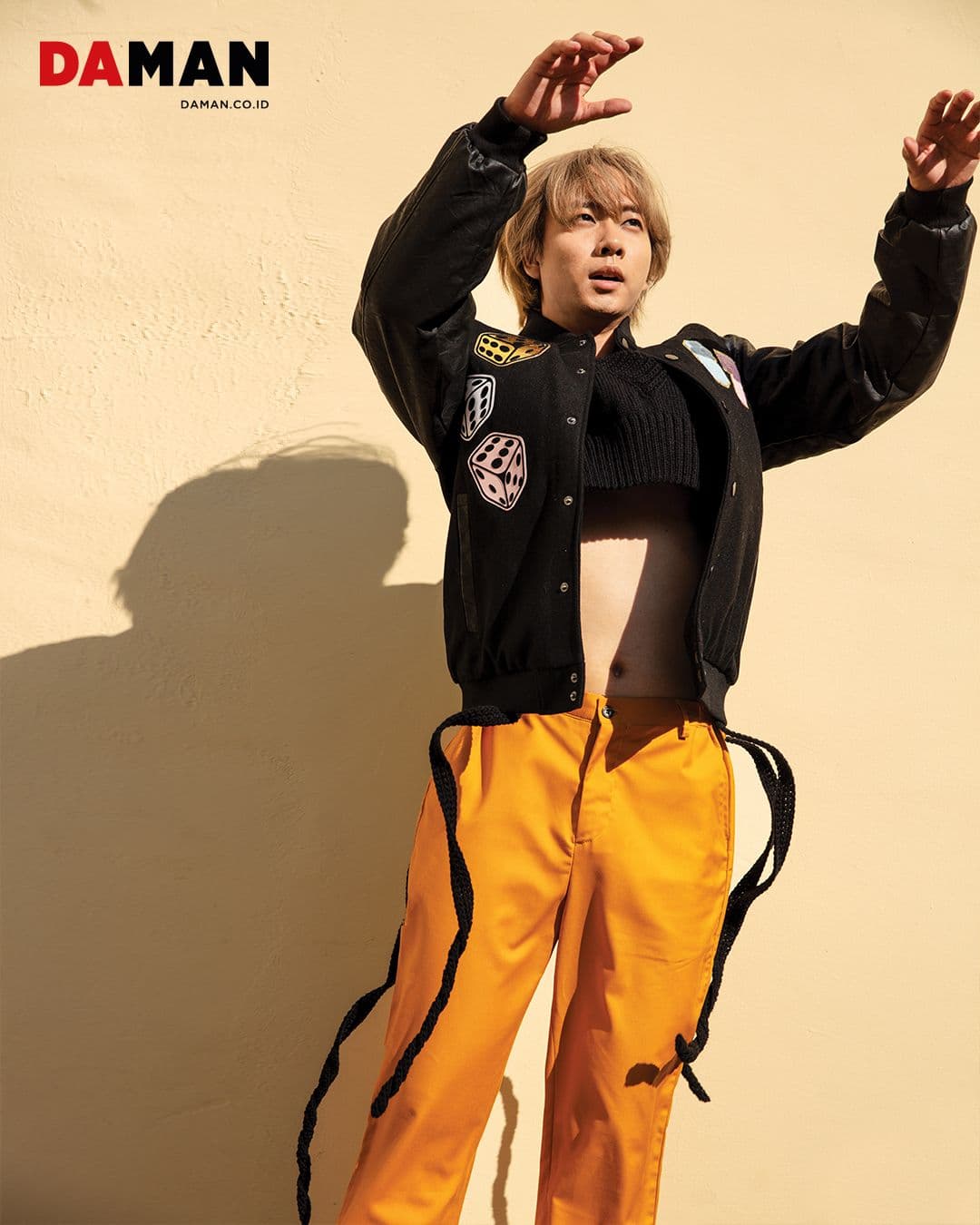
Jacket by Nil&Mon; top by Maison Audmi; pants by Aloha Glamour
DA: Travis Japan has now risen to the global stage. What’s the secret behind this success?
Chaka: The key is to know ourselves, believe in ourselves and be confident. We are also having fun on our own.
DA: Can you tell us a bit about your goals for the future?
Shizu: We have a lot of those. I want to win awards and do a world tour. Then, if those goals come true, I think we—both as individuals and as Travis Japan—will develop new plans. There are infinite goals. We want to do it all.

DA: Are there any upcoming projects you can share with us?
Machu: Our long-awaited first album, “Road to A,” will be available on December 20. We talked a lot about what type of songs we wanted on the album and how we wanted to express ourselves as artists. So, it’s filled with fun and inspirational songs—because that’s what we want to be to our fans: a source of inspiration and joy.
“If we can’t connect to our songs, how could we expect strangers to do the same?”
DA: Lastly, what are your greatest hopes for yourself and the music industry at large?
Noel: To put out a hit song; but not just any hit song. I want to create a song that will become synonymous with us and something even more prominent—a global phenomenon. As a group, I think we have many songs with that potential. Right now, Japanese music is primarily listened to in Japan; but I hope the music industry will not be as divided into Western, J-pop, K-pop, C-pop, etc. in the future. People are starting connect to music simply because it’s good, even if it’s not in their native language. They feel it, so it would be nice if we could release the kind of J-pop that represents Japan but will also be a hit worldwide.
Chaka: I hope Billboard might become more global someday. Not just Billboard, but Billboard Japan, Billboard Thailand, etc. Something together and globally comprehensive. It would be nice to have representatives from various countries, each taking part, like in the World Cup.
PHOTOGRAPHY @lensbymi_
STYLING KIMBERLY GOODNIGHT & THEO HOBBIE
Makeup Miyabi Goto
Hair Jun