


In Varigotti, model Cameron Pisan explores the enduring appeal of Giorgio Armani’s archival designs and discovers why true elegance is often rooted in the past.
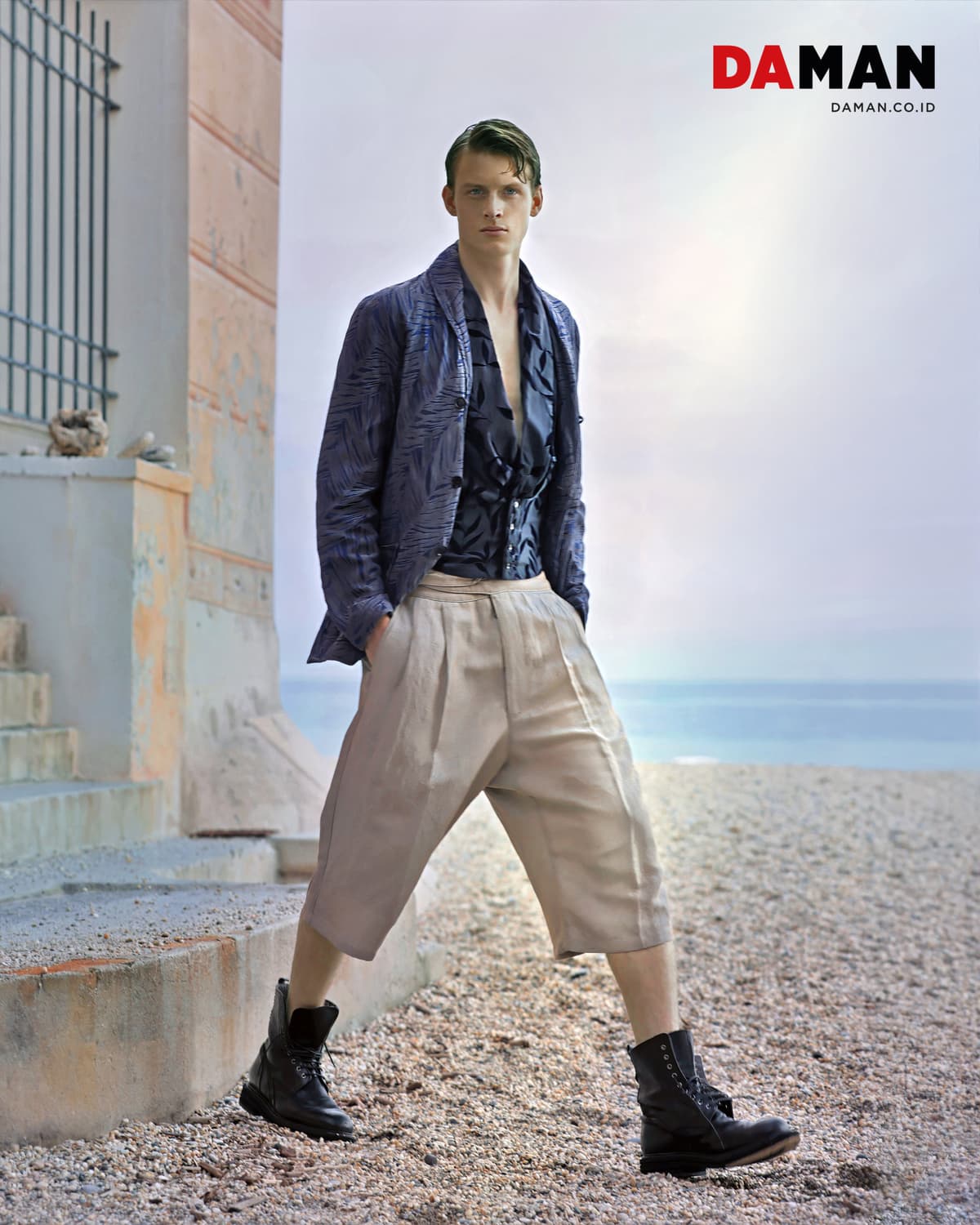
There is a quiet authority to true vintage. In an industry currently obsessed with the immediate, the algorithmic and the hyper-accelerated, looking backward is often misread as nostalgia.
But as model Cameron Pisan discovered on a sun-bleached morning in Liguria’s historic village of Varigotti, unearthing an archive is not about living in the past. It is about understanding the blueprint of modern elegance.
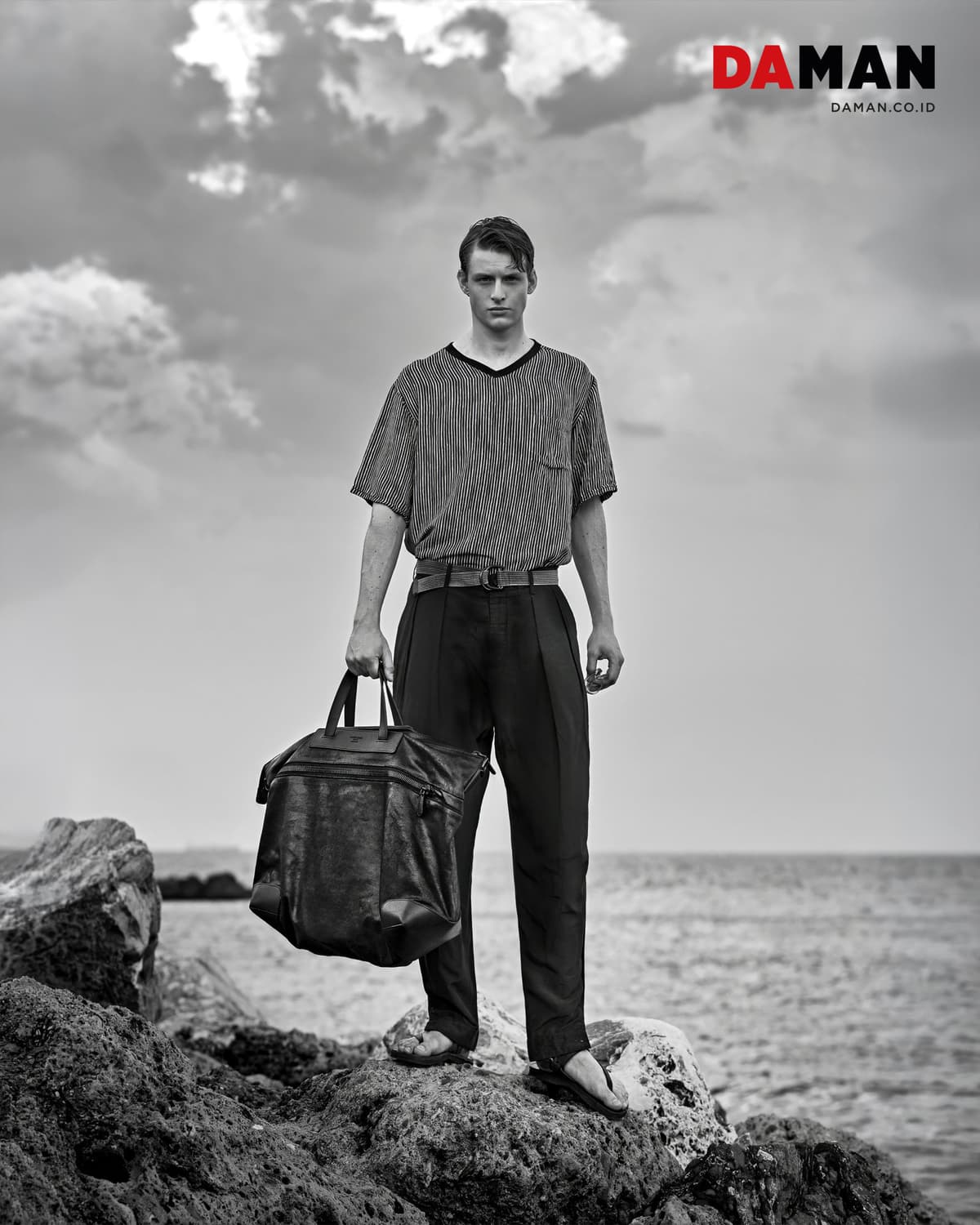
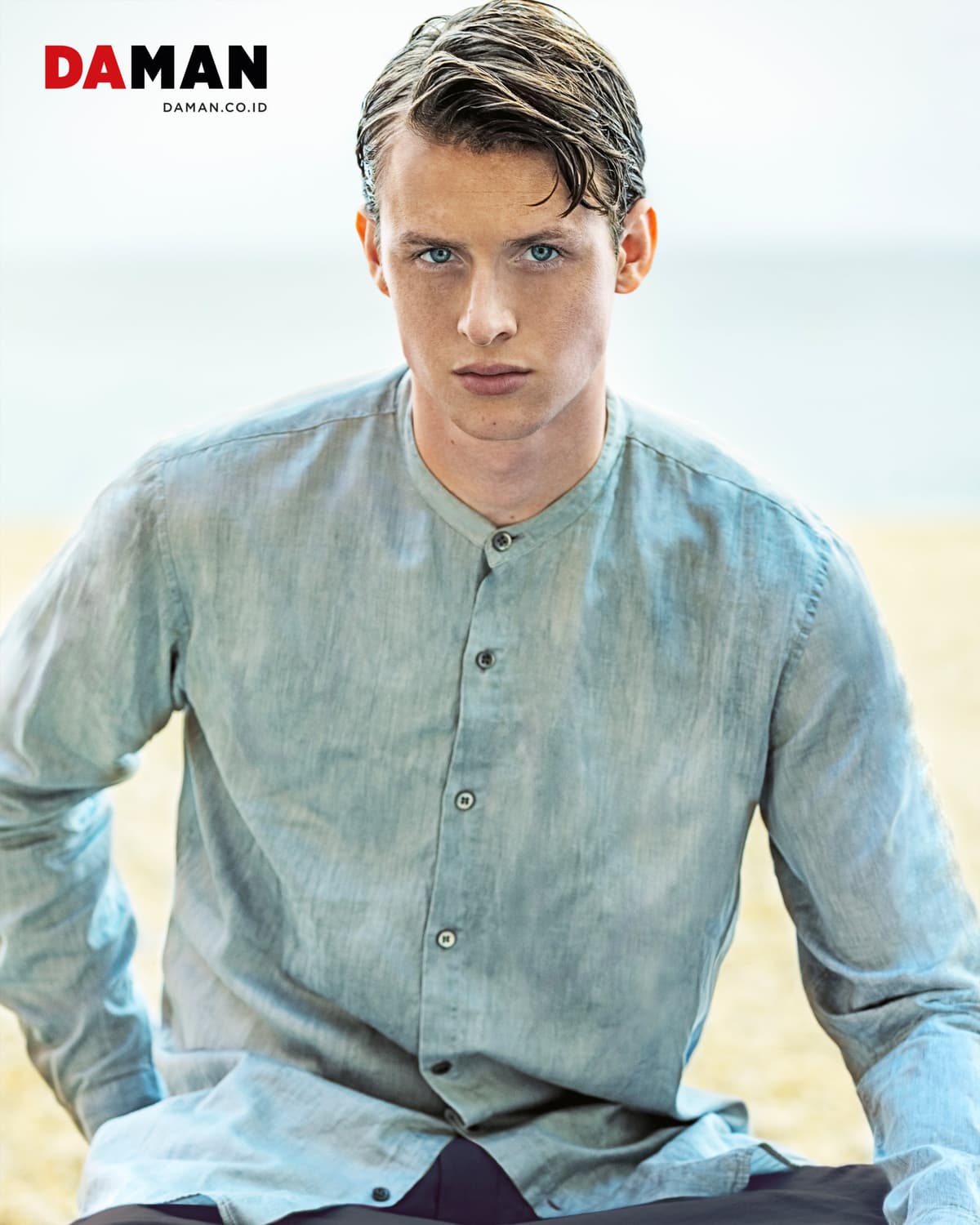
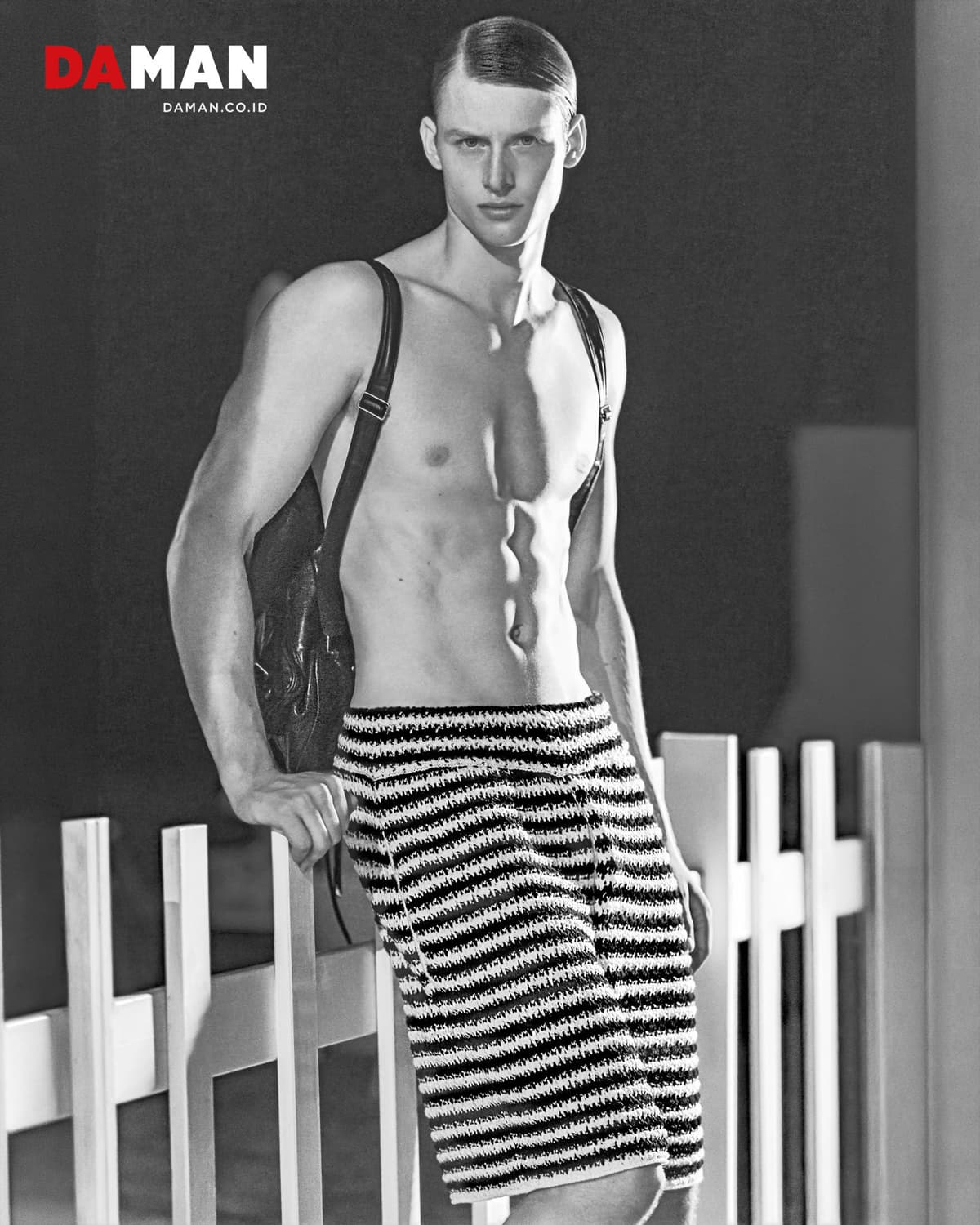
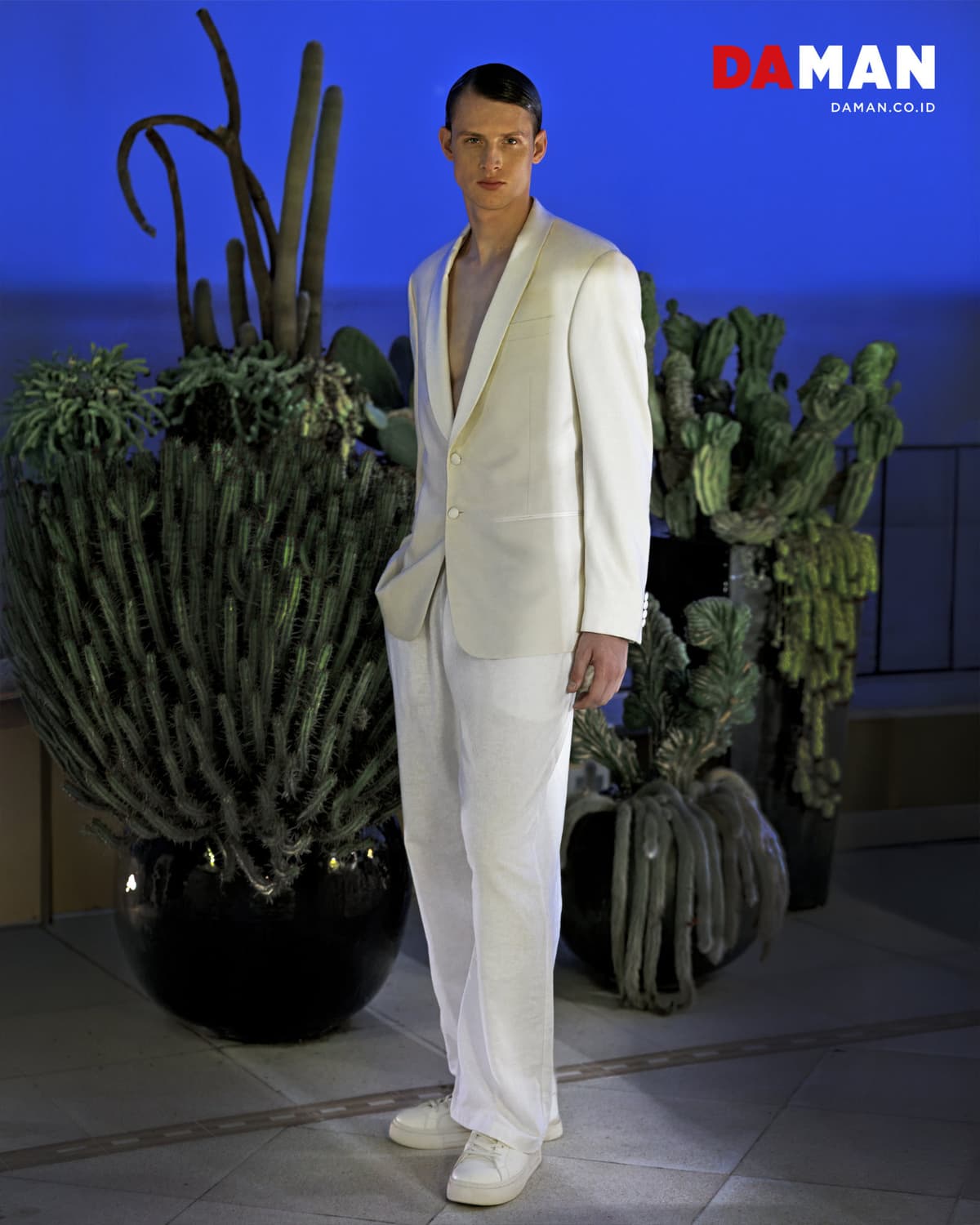
A former college soccer player from the United States with a degree in business and marketing, Pisan transitioned into full-time modeling just over a year ago. Yet stepping onto the set of our latest DAMAN special, clothed not in a fresh-off-the-runway collection but in rare archival pieces by Giorgio Armani, felt less like a standard fashion shoot and more like an archaeology of style.
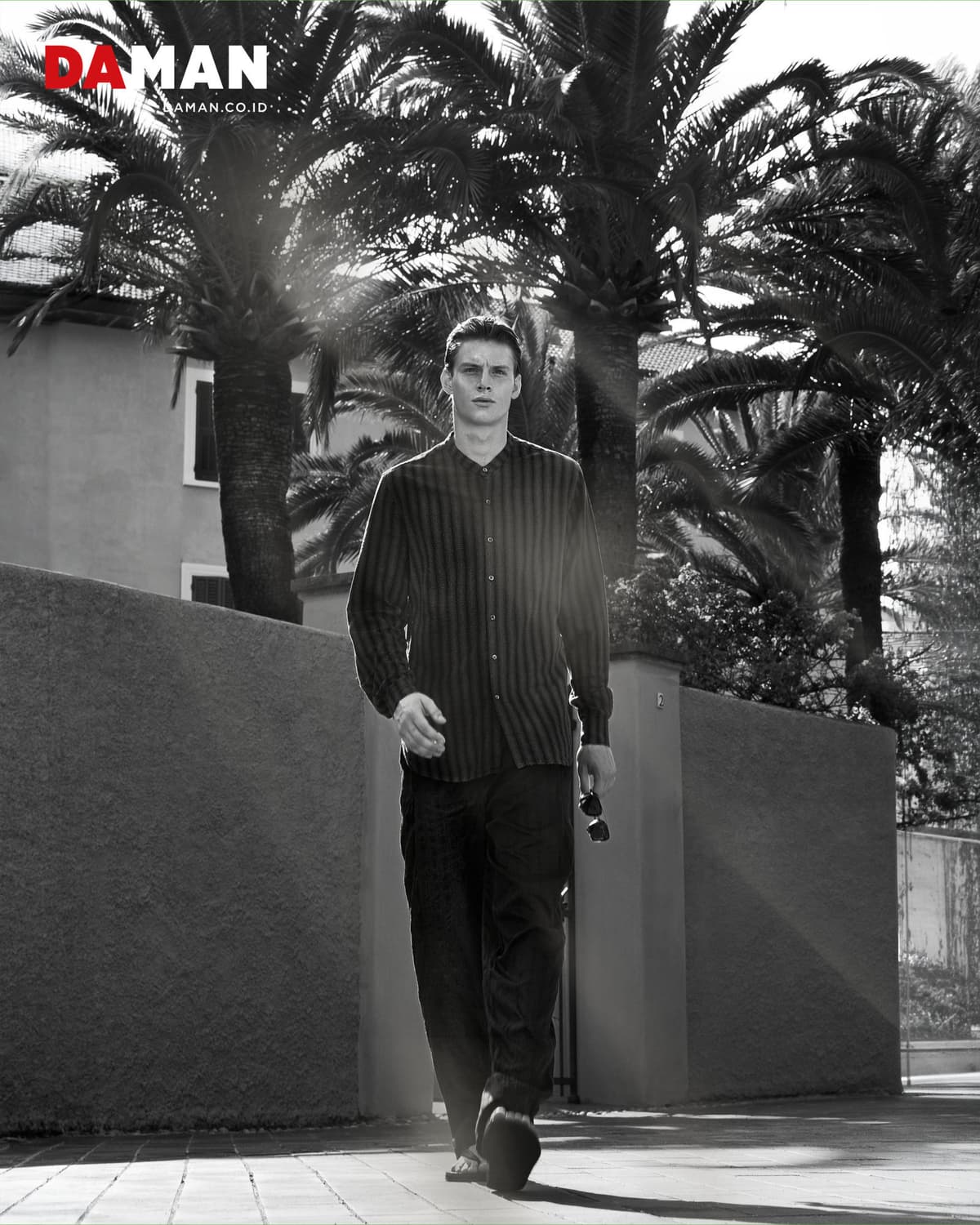
Here, Pisan discusses the reality of adapting to the European fashion landscape, the surprising relevance of decades-old tailoring and why the future of menswear might just depend on remembering where it all began.
DAMAN :From playing college soccer in the U.S. to living in Milan and working with Giorgio Armani so early in your career, how has this chapter changed you?
Cameron Pisan: Honestly, I never imagined this would be my path after graduating. Moving to Europe completely changed my perspective. The market here is intensely fashion-focused, faster-paced and demands a higher level of competition. It’s pushed me to grow both professionally and personally.
When I received the confirmation email for Armani, I immediately started tearing up and called my parents. One of my biggest dreams coming to Europe was simply to walk a runway.
To have my first major milestone happen with one of the most iconic Italian fashion houses in the world felt entirely surreal. I’ve always admired Giorgio Armani, not just for his timeless designs but for how he completely revolutionized modern tailoring and redefined male silhouettes. As someone with a background in business, I’ve always respected how he blended raw creativity with building an empire. It was an unforgettable honor.
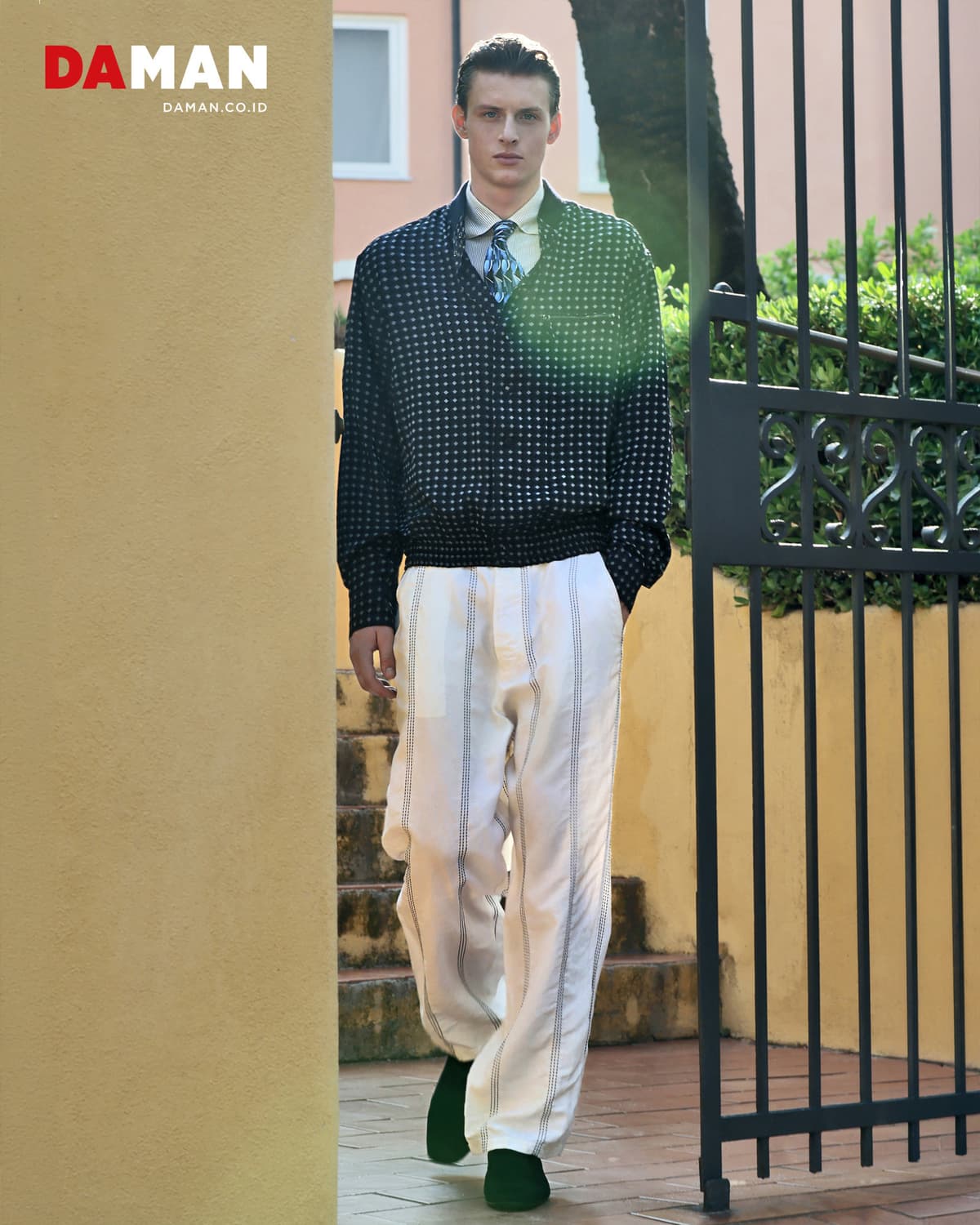
DA: You spent this shoot in archival Armani rather than contemporary samples. How did wearing those pieces change your relationship with the clothing?
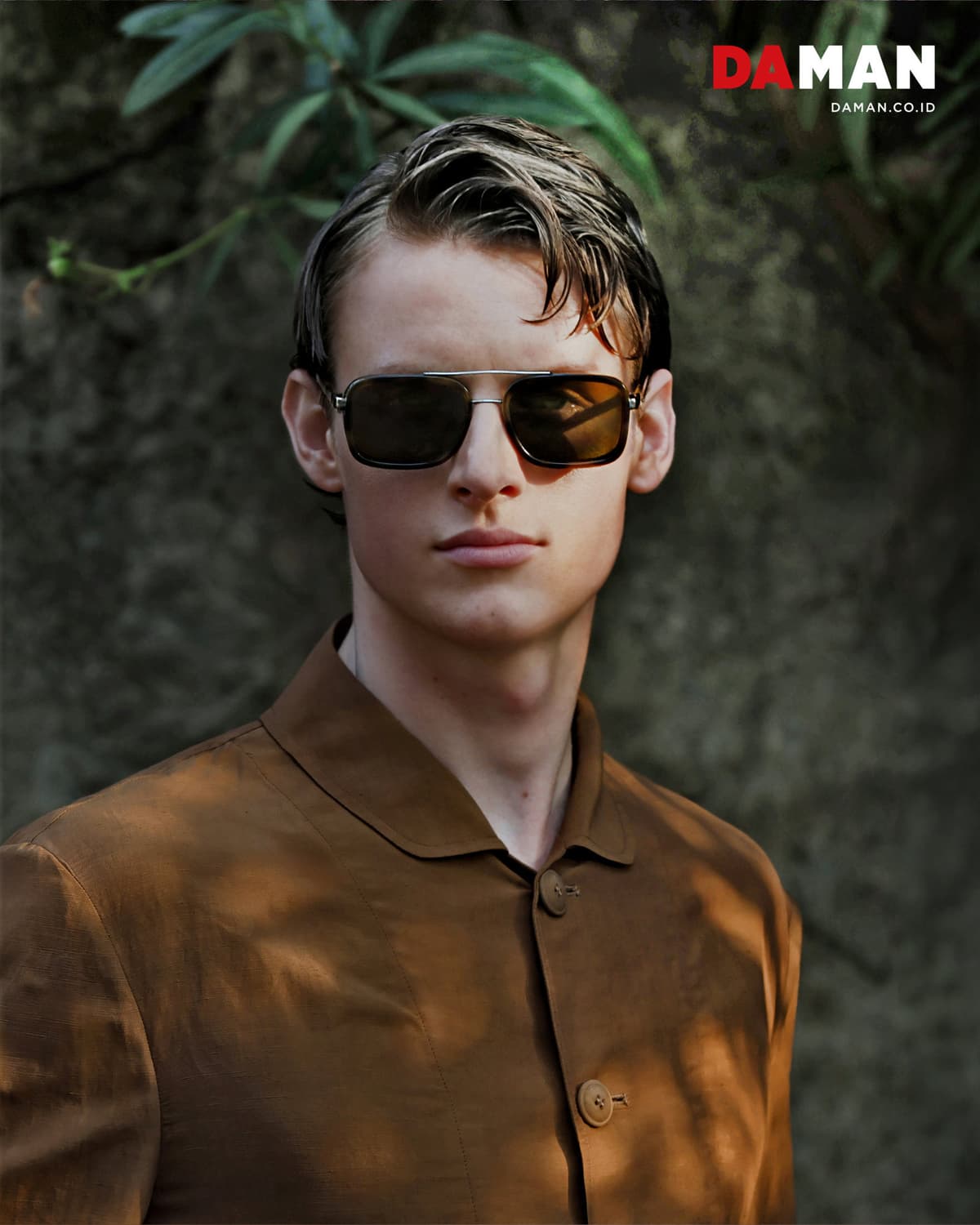
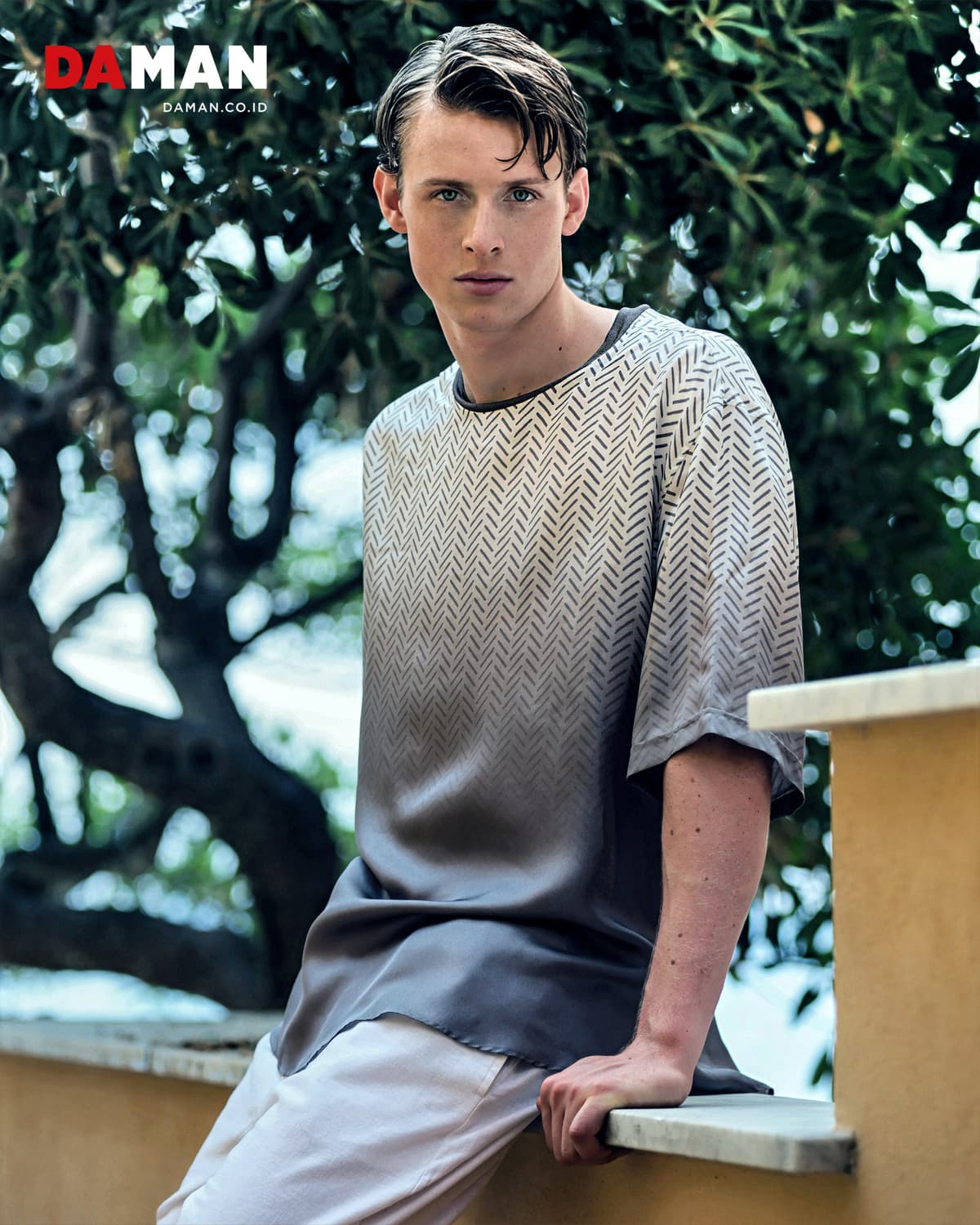
CP: It felt profoundly special. In some ways, wearing vintage Giorgio Armani is even more thrilling than wearing a brand-new collection. You can trace how his original proportions and structural ideas continue to influence contemporary design. Wearing those pieces feels like experiencing fashion history firsthand.
What fascinates me most is realizing just how far ahead of his time he was. Many of those garments still feel completely relevant today. Vintage also aligns heavily with my personal life.
I love thrifting, collecting older pieces and giving garments a second life.
In a world dominated by fast fashion, these clothes were made with a level of craftsmanship and fabric quality that allows them to last for decades. That, to me, is what true sustainability looks like.
DA: Do you feel vintage garments carry an authenticity that contemporary fashion has lost along the way?
CP: They carry a distinct character. Every archival piece has a history and that narrative becomes part of what makes it wearable art. It’s no coincidence that luxury and streetwear brands are constantly raiding vintage archives for inspiration. They’re drawn to the silhouettes and weights of those fabrics because they’ve already stood the test of time. When a brand integrates that history authentically, it adds a layer of depth and personality that you just can’t manufacture from scratch.
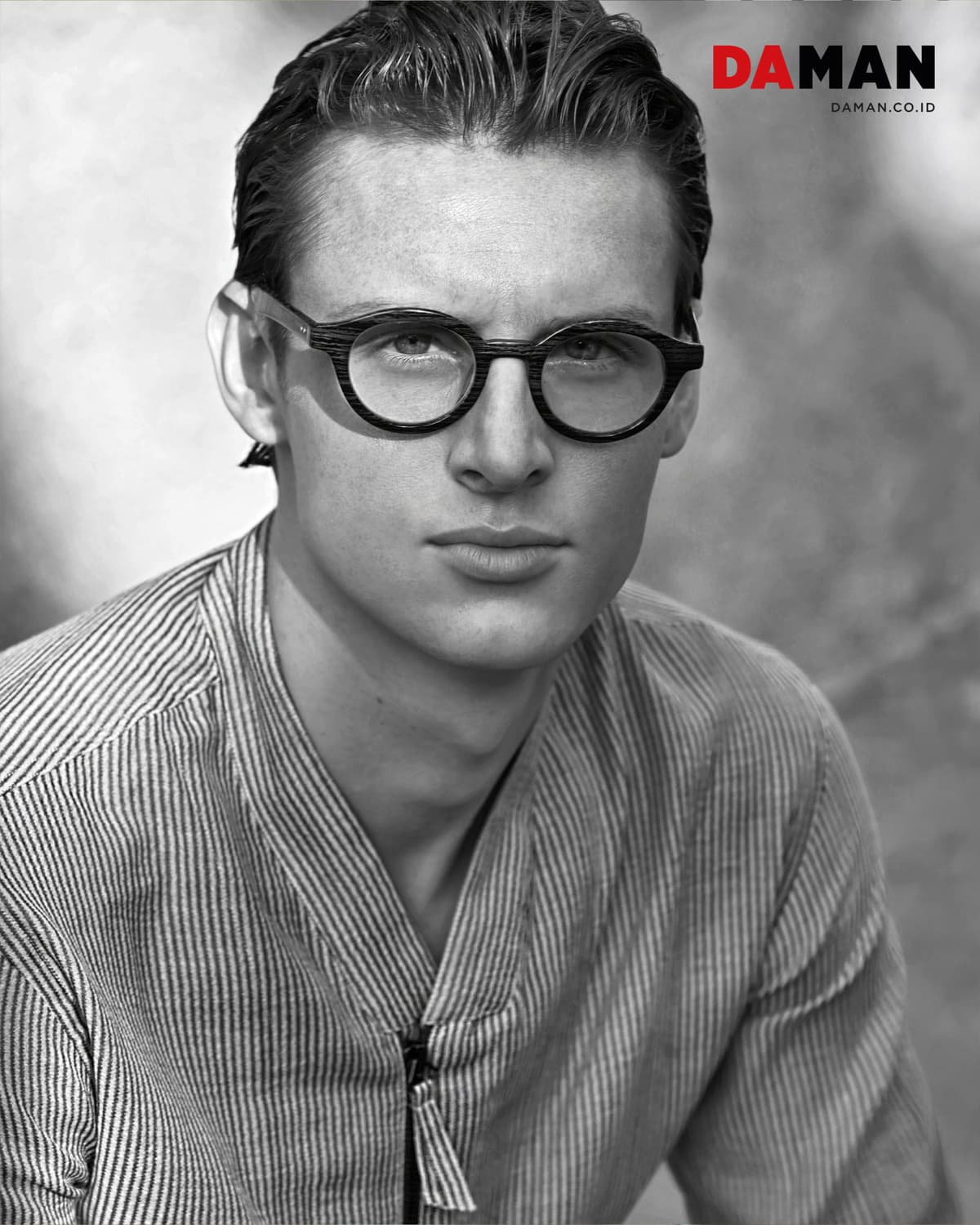
DA: If you had to distill the Armani aesthetic into three words, what would they be?
CP: Elegant. Timeless. Innovative. Those three qualities explain why the house has never felt like it’s chasing trends. It sets a standard that continues to inspire generation after generation.
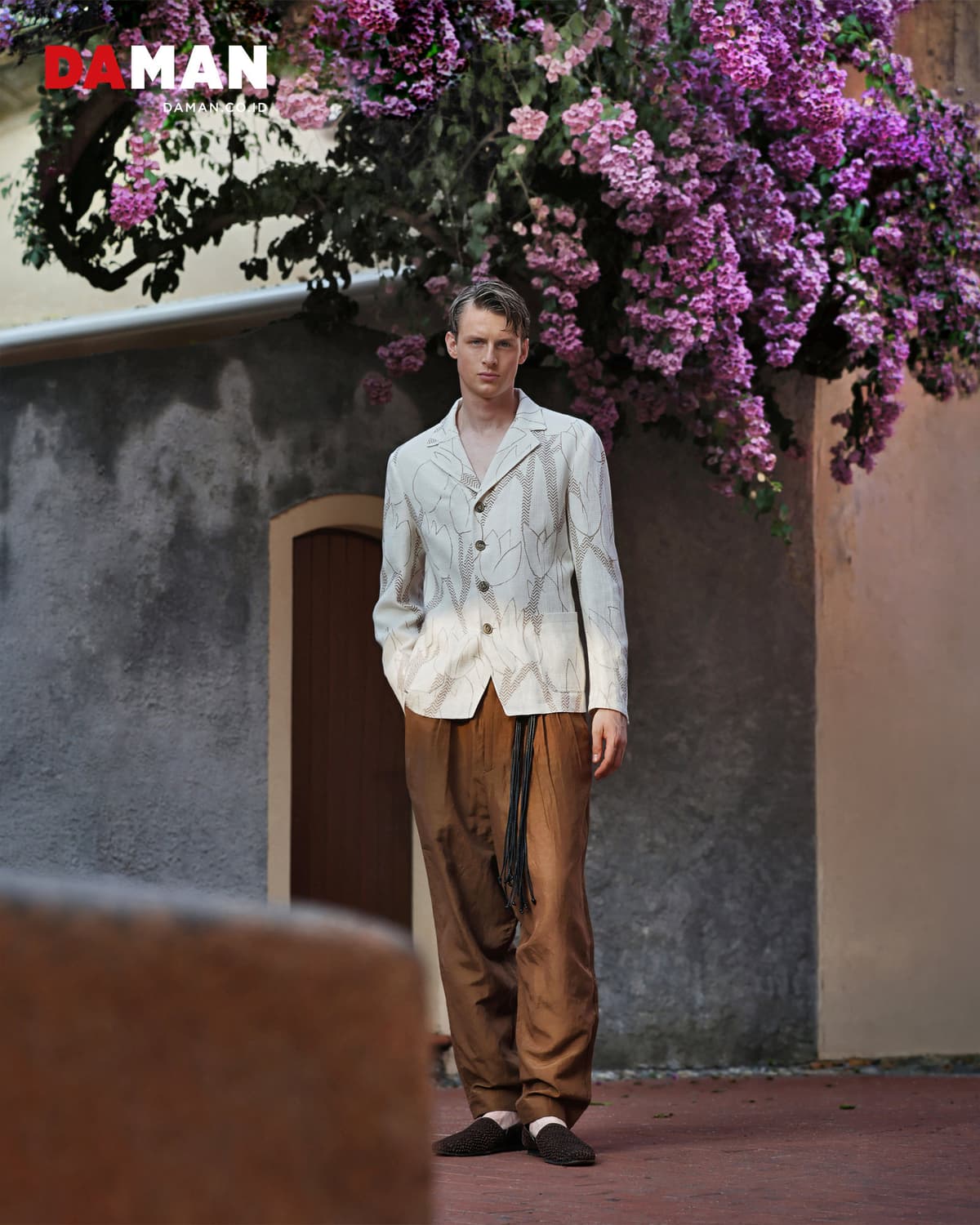
DA: We shot this story in Varigotti, a stunning Saracen borgo framed by stone, ancient architecture and the Mediterranean. What was your immediate impression of the location?
CP: When I first arrived, I was honestly speechless. It felt like stepping into another world.
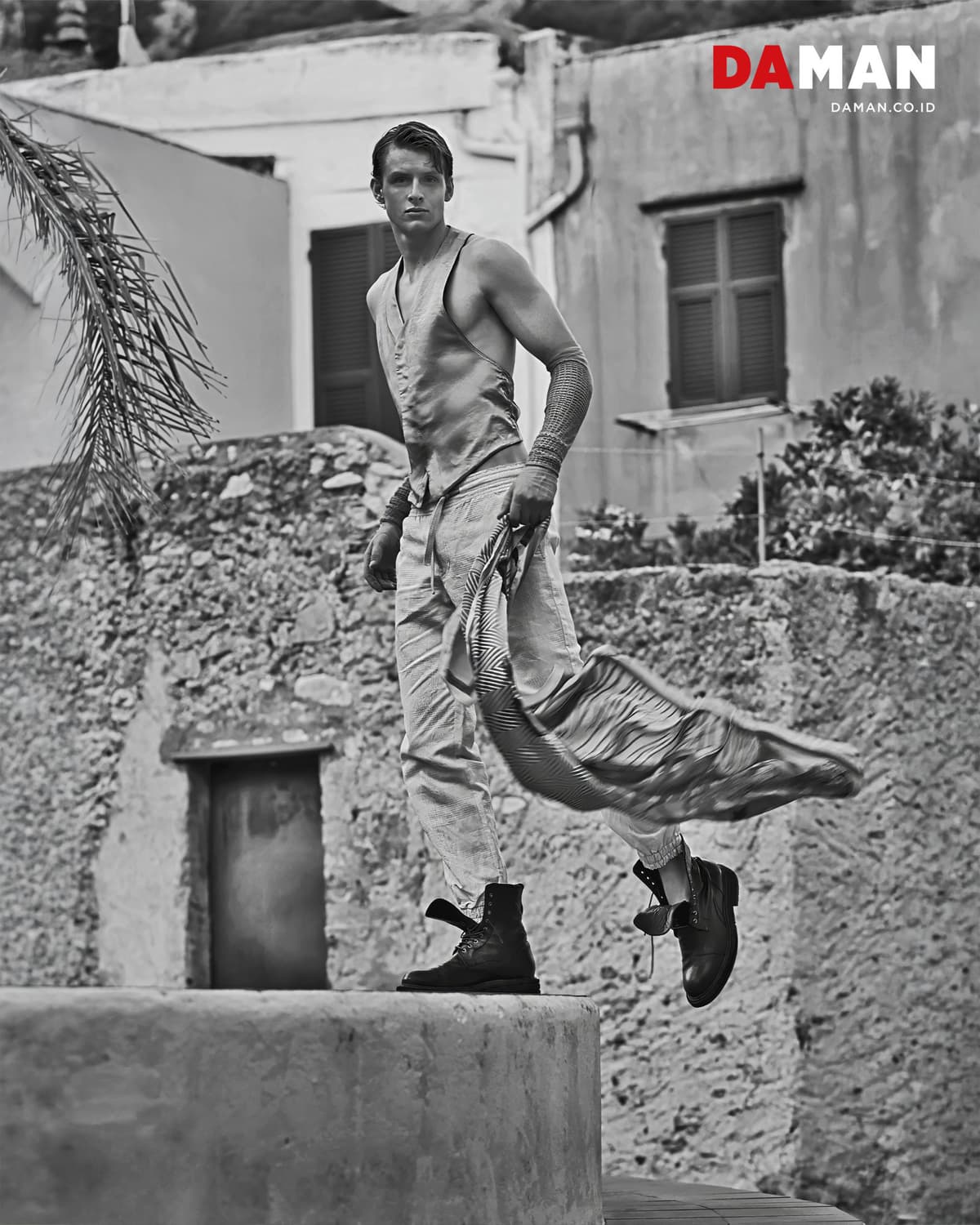
The relaxed atmosphere, the vibrant colors of the homes lining the narrow streets and the historic connection to the landscape made it feel like a living community rather than just a tourist destination. Hiking up to the ancient viewpoint for the shoot with the sea stretched out below us made the entire narrative click. It gave the clothes room to breathe.
DA: Living in Italy now, how has your perspective on Made in Italy evolved?
CP: It’s deepened completely. Because I love hunting for vintage pieces, I’ve had the chance to handle garments made here decades ago. You feel the quality immediately in the structure, the drape and the hidden details. Those pieces weren’t made to survive a single season. They were built to endure. Discovering that heritage firsthand has become one of my favorite parts of living here.
DA: As fashion accelerates and trends lose their uniqueness, standing here in this historic borgo clad in archival Armani raises a question: Does true elegance come from embracing our identity rather than constantly pursuing what’s next?
CP: Absolutely. The future of fashion is constantly being built by respecting its past.
The brands I admire most don’t chase what’s popular. They evolve timeless ideas with subtle, modern innovations. True elegance is having a clear sense of identity and creating things with lasting value. Trends will always cycle, but the pieces that endure are the ones rooted in authenticity and master craftsmanship.
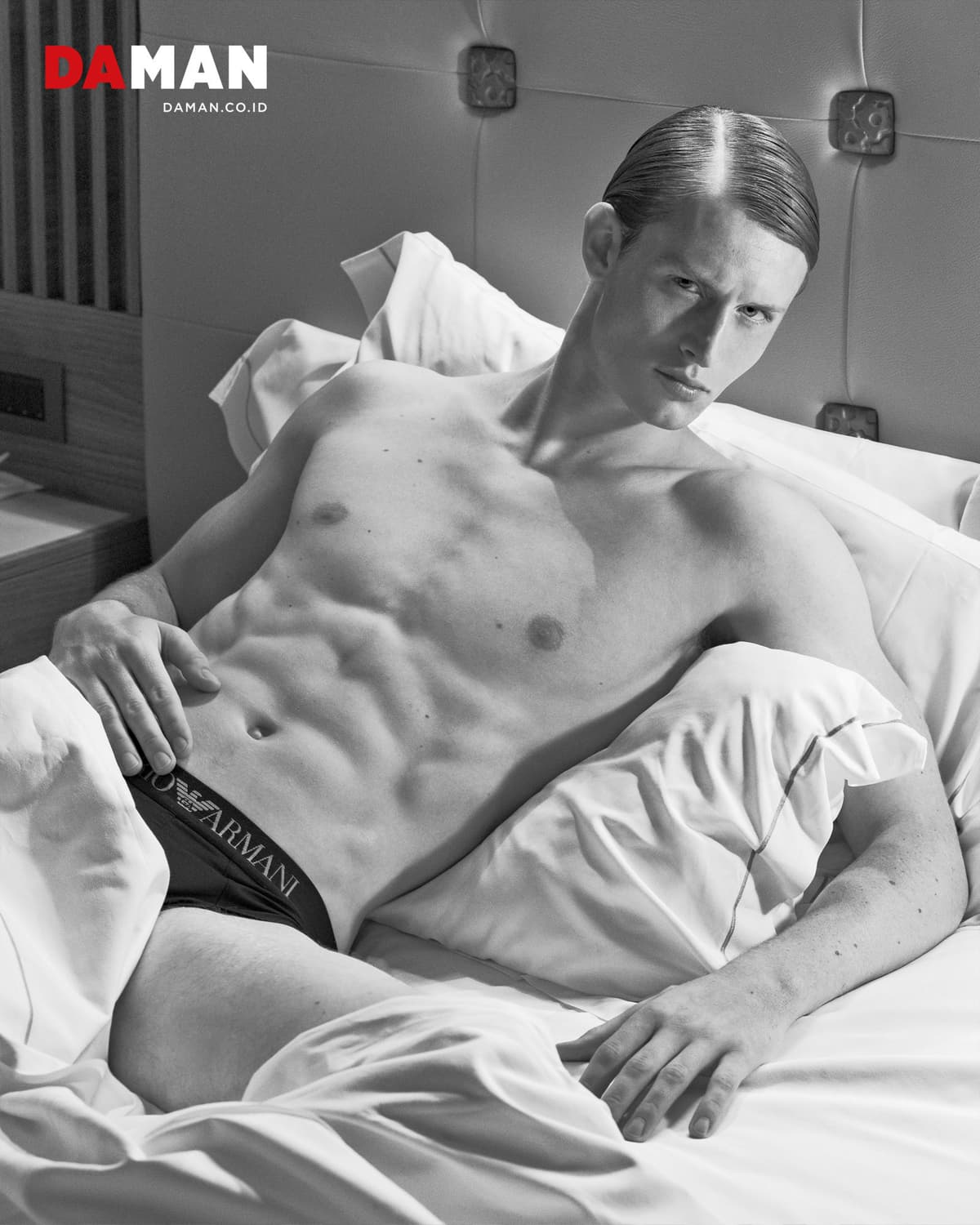
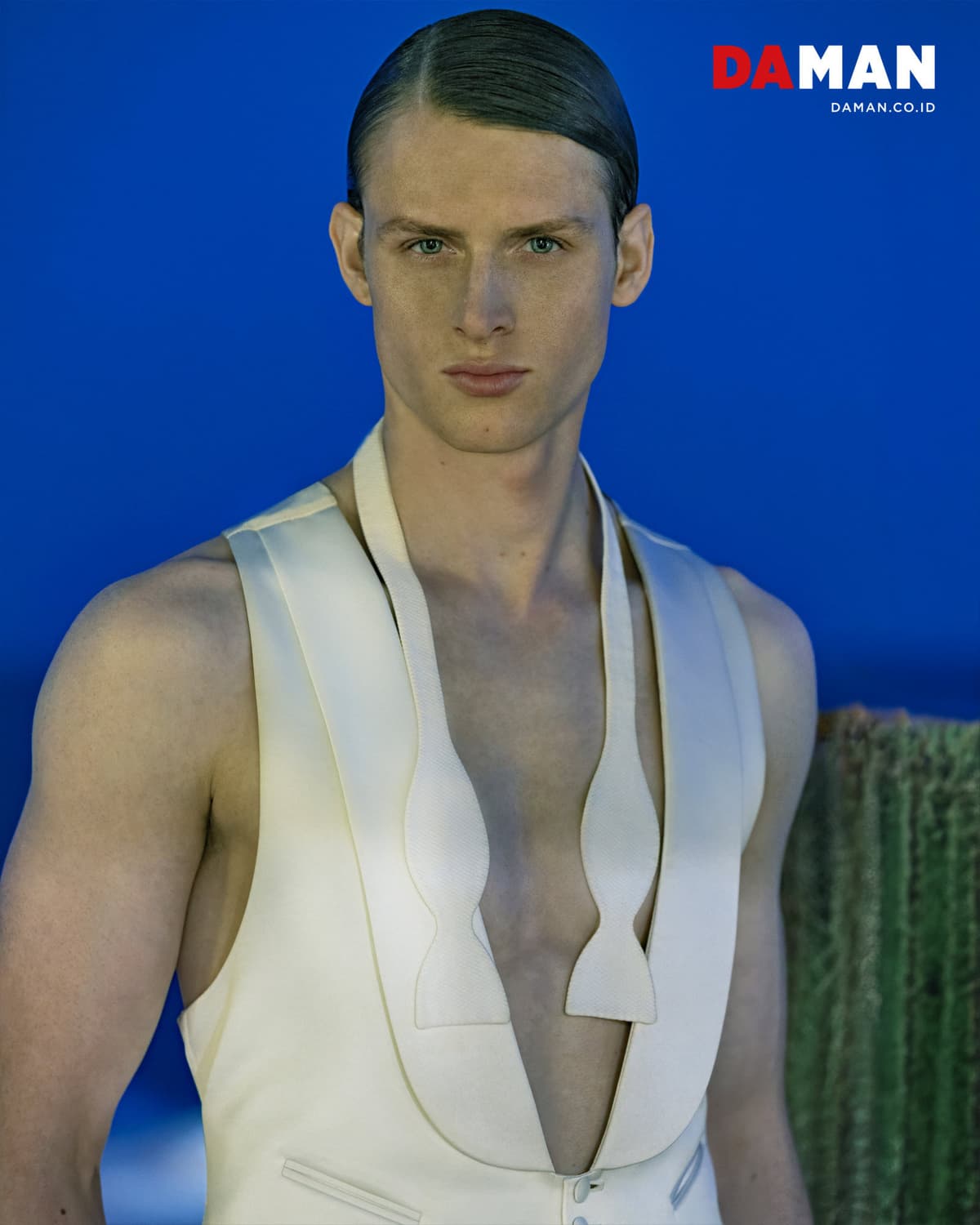
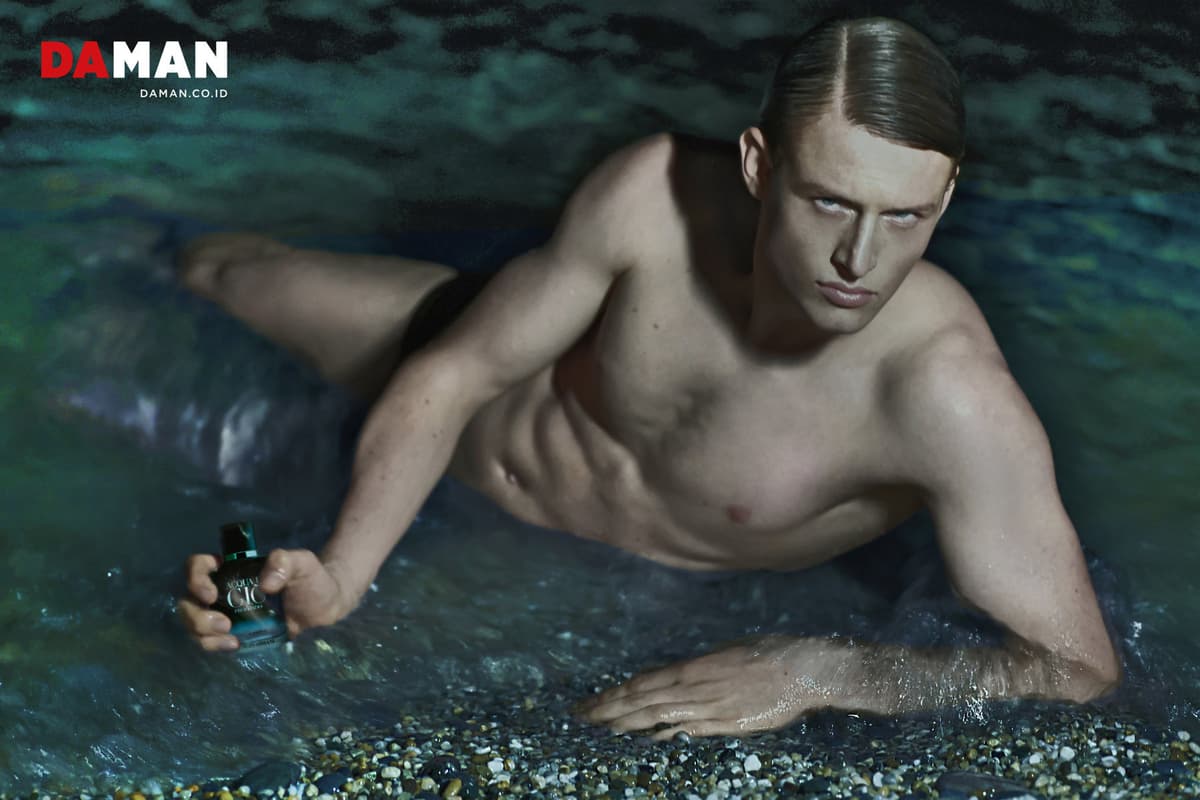
Photography Marco Marezza
Fashion Editor Eugenia Cannella
Model Cameron Pisan / I Love Models Management
Grooming Nicky Tavilla
Production and casting Michael Del Buono
Onsite Senior Productions Director At Large Taylor Bianco for MDB Artists Rep & Productions
Special Thanks to Hotel Albatros – Varigotti
Text by Eugenia Cannella