


Looking for a fresh way to boost your fitness, meet new people or pick up a fun and fulfilling hobby? Padel might be the perfect match. Read on to discover why this sport is sweeping the globe
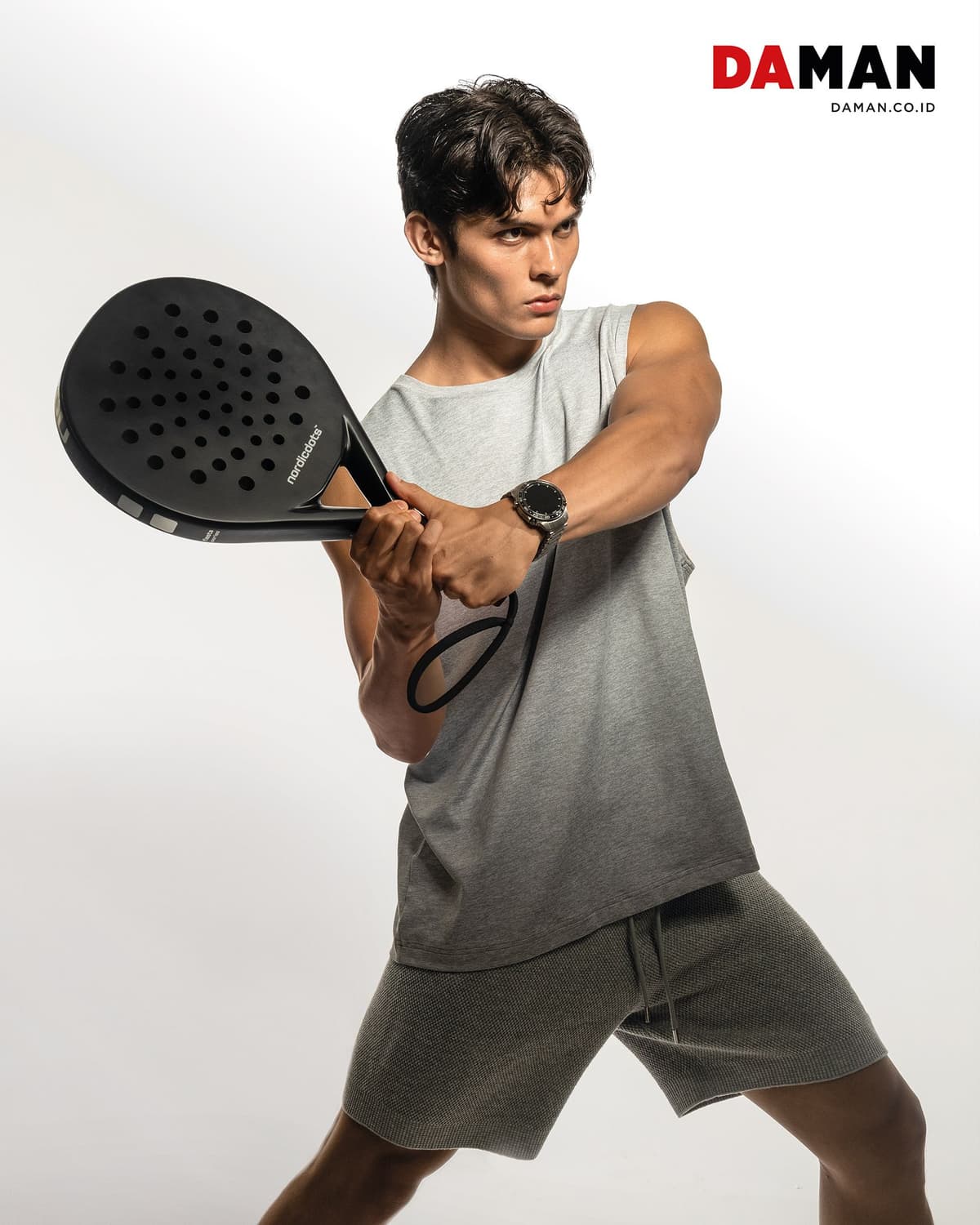
Watch: Garmin MARQ Aviator Gen 2
Amidst the demands of daily life, a growing number of people are choosing to prioritize their health. One fast-rising phenomenon capturing attention around the world is padel, a dynamic and accessible racket sport that’s quickly becoming a part of many people’s weekly routines.
Padel blends physical activity, social connection and ease of play, making it ideal for all ages and experience levels. Fast-paced yet intuitive, it offers an energetic and social atmosphere unlike any other racket sport. Whether you’re a seasoned athlete looking for something new or a complete beginner, padel welcomes everyone with its low learning curve and high fun factor.
The sport’s journey from backyard invention to global sensation is nothing short of remarkable. In 1969, in Acapulco, Mexico, businessman Enrique Corcuera wanted to enjoy tennis at home but had limited space. He built a smaller court, added walls to keep the ball in play and swapped traditional rackets for shorter, stringless ones. His wife, Viviana Corcuera, helped shape the early rules of the game, and they named it “Paddle Corcuera” to reflect its unique style.
The game quickly spread among Mexico’s upper class, who were drawn to its novelty and social appeal. It wasn’t long before Spanish aristocrat Alfonso de Hohenlohe introduced padel to Europe, where it took off—especially in Spain and Argentina. Today, padel clubs and courts are popping up all across the world, from Dubai to Los Angeles, attracting everyone from celebrities to weekend warriors.
WHAT IS PADEL?
If you’ve heard of paddle tennis, you might wonder if it’s the same thing. While the names sound similar, padel is a distinct sport in its own right. According to Padel USA, paddle tennis is essentially a scaled-down version of tennis. Padel, on the other hand, combines elements of tennis, squash and Basque pelota to create a faster, more tactical game that thrives on movement, reflexes and teamwork.
Played on a smaller court enclosed by glass walls or metal mesh, padel encourages agility and improvisation. The walls aren’t just there to keep the ball in—they’re part of the strategy. Like squash, players can bounce the ball off the glass before returning it, opening up dynamic angles and longer rallies.
The racket used in padel also differs from a standard tennis racket. Made of solid composite materials with a perforated surface, it offers better control and maneuverability. Padel balls are smaller and less pressurized than tennis balls, which slows the pace slightly and gives players more time to respond—making the game as mentally engaging as it is physically satisfying.
According to All for Padel, the sport borrows its scoring system directly from tennis: 15, 30, 40 and game. Matches are typically played in a best-of-three sets format, with a tiebreaker if the score reaches 6-6. One defining feature? Padel is always played in doubles. With four players on court, communication, coordination and camaraderie are key.
MORE THAN JUST A SPORT
Padel is a fun and social way to stay active. It delivers a full-body workout that boosts endurance, strength, speed and cardiovascular fitness while helping players burn over 400 calories per match. The quick, multidirectional movements engage major muscle groups and promote balance, agility and core stability.
Beyond the physical benefits, padel also strengthens the mind. Its fast pace requires focus, tactical thinking and quick decision-making. It’s a mental workout that doubles as a mood booster, triggering the release of dopamine, serotonin and endorphins—neurochemicals that help reduce stress and increase overall happiness.
Perhaps what sets padel apart most is the community it builds. The doubles-only format fosters interaction and teamwork, making it easy to meet new people and enjoy healthy competition in a relaxed setting. Many players find themselves returning to the court not just for fitness, but for the friendships that grow over time.
In the end, padel is more than a sport. It’s a lifestyle upgrade—one that blends movement, joy and connection into a single, thrilling experience. Whether you’re chasing fitness goals, seeking a fresh social outlet or simply curious to try something new, padel offers a compelling reason to pick up a racket and get in the game.
Photography Melvie Aurelia
Styling Stephen Tans
Styling Assistance Marshella Zali and Josephine Jennifer
Makeup Quiva Filoria
Hair Fattaya Siahaan
Model Aidan Palis/H.I.M AGENCY