


A smarter fitness strategy may not be making every workout harder, but building an aerobic base that keeps the body resilient, capable and ready for the long haul
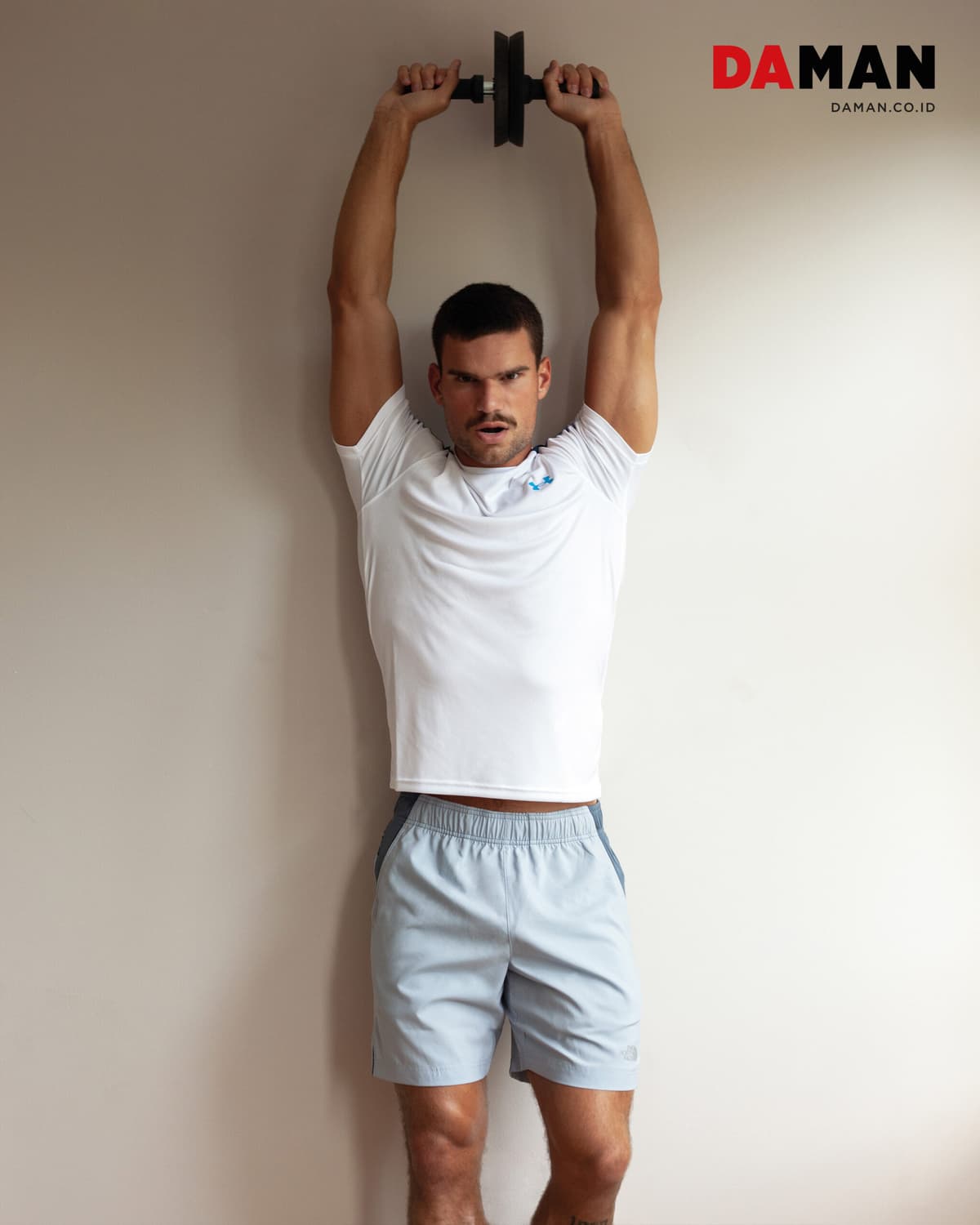
For years, fitness culture has rewarded the spectacular. The harder the workout, the better: all-out sprints, punishing circuits and HIIT sessions that leave little doubt they happened. For men balancing demanding careers, frequent travel and crowded schedules, however, there is a compelling case for doing something less dramatic.
Elite endurance athletes have long understood this. Much of their training happens at deliberately low intensities, building an aerobic foundation that allows harder efforts to become more effective. For the everyday athlete, that principle can be distilled into Zone 2: sustained, moderate-intensity exercise that develops the cardiovascular system without turning every session into a battle.
The objective is not to avoid intensity. It is to build the engine underneath it.
The Cellular Upgrade
At the center of aerobic fitness are mitochondria, the microscopic structures that help cells turn nutrients into usable energy. Endurance training stimulates adaptations that increase mitochondrial content and improve the muscles’ ability to produce energy aerobically. It also encourages greater capillary density, giving oxygen a more efficient route to working muscle.
A 2024 systematic review and meta-analysis published in Sports Medicine found that endurance, high-intensity and sprint interval training can all increase mitochondrial content. Zone 2, then, is not uniquely privileged. Its advantage is that it allows substantial aerobic work to be accumulated without making every session punishing.
There is a metabolic benefit, too. As intensity rises, the body relies increasingly on carbohydrates, while lactate production and turnover also increase. Regular aerobic training improves the body’s ability to transport and oxidize lactate, helping sustain work more efficiently.
Finding Zone 2 does not require a laboratory. A heart-rate monitor can provide a useful approximation, with roughly 60 to 70 percent of maximum heart rate commonly used as a practical range. An easier gauge is the talk test: breathing should be elevated, but carrying on a conversation in complete sentences should remain possible.
In other words, the session should feel controlled rather than heroic.
The Executive Protocol
The American Heart Association recommends 150 to 300 minutes of moderate-intensity aerobic activity each week, alongside muscle-strengthening work at least two days per week. That sounds substantial until it is divided into manageable pieces.
Three 45-minute sessions already deliver 135 minutes. Add a short 15- to 30-minute session after lifting, during a lighter day or while traveling and the target becomes surprisingly achievable.
The machinery matters less than consistency. An incline treadmill walk is simple and easy to regulate. Cycling is similarly joint-friendly, while rowing and the elliptical provide variety. The best modality is ultimately the one that allows a steady effort without turning an easy session into an accidental time trial.
The best Zone 2 routine is not the one that looks most impressive on a fitness tracker. It is the one that survives a busy calendar.
The Strength Multiplier
For men who lift, cardio has often been treated as the enemy of muscle. The reality is considerably less dramatic.
A 2022 systematic review and meta-analysis in Sports Medicine found that concurrent aerobic and resistance training generally does not meaningfully compromise muscle hypertrophy, although the researchers noted that certain forms of concurrent training may produce small interference effects at the muscle-fiber level.
The practical lesson is simple: protect the quality of the priority session. If strength is the day’s main objective, lift before cardio. Keep the aerobic work genuinely aerobic rather than allowing every “easy” ride to become an impromptu time trial.
Zone 2 should leave something in the tank.
The Metabolic Moat
Longevity is often discussed in terms of adding years to life. A more useful goal may be preserving the ability to do more with those years.
The American Heart Association notes that regular aerobic activity improves cardiovascular fitness and can reduce the risk of conditions including heart disease, stroke and diabetes.
Zone 2 is not a shortcut to immortality, nor is it the only form of exercise worth doing. Its value is more practical. It provides a sustainable way to accumulate aerobic work and build the infrastructure that supports higher-intensity training, strength and everyday life.
The modern luxury is not simply having a powerful physique. It is having an engine capable of carrying it for decades. Sometimes, the smartest way forward is to slow down.