


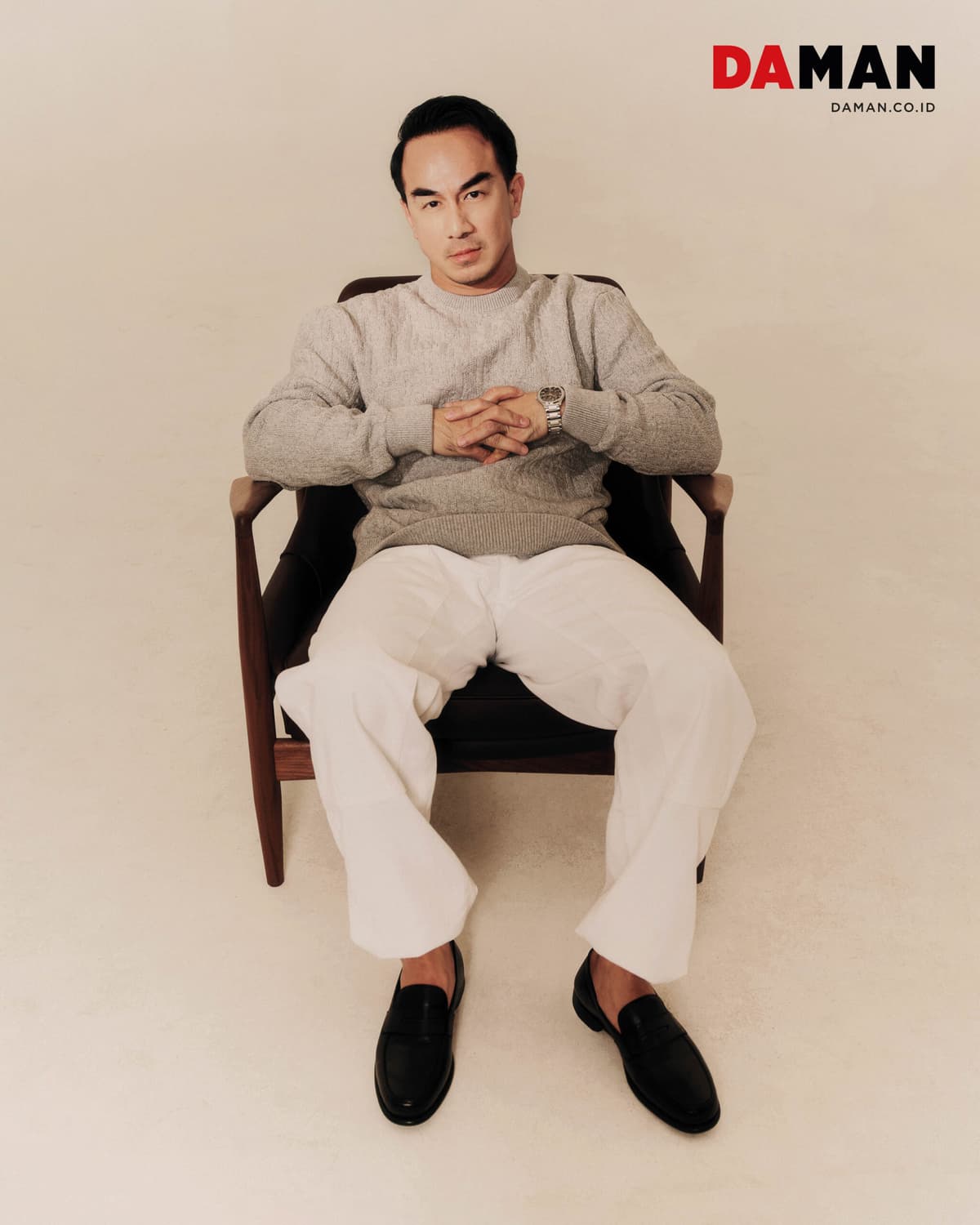
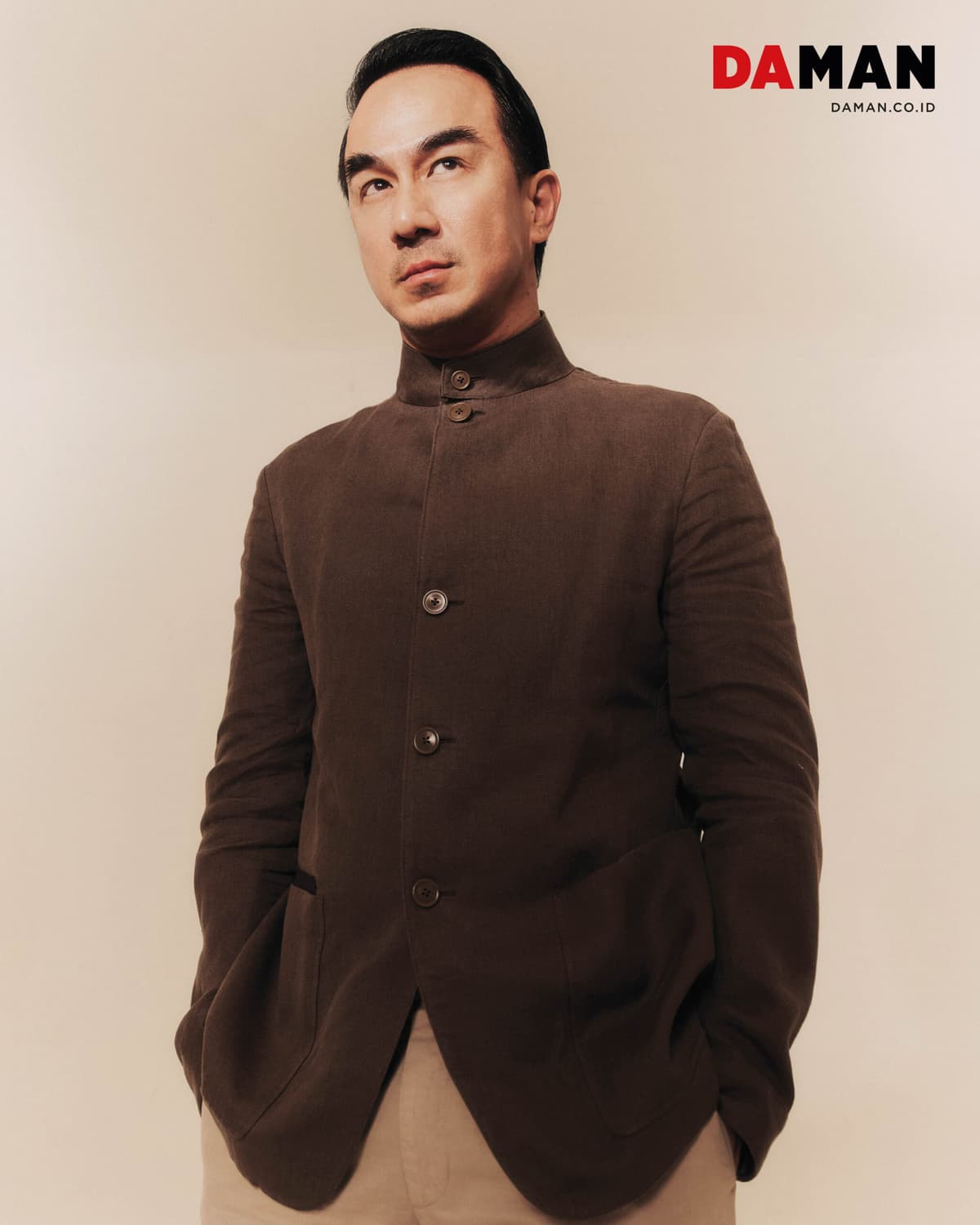
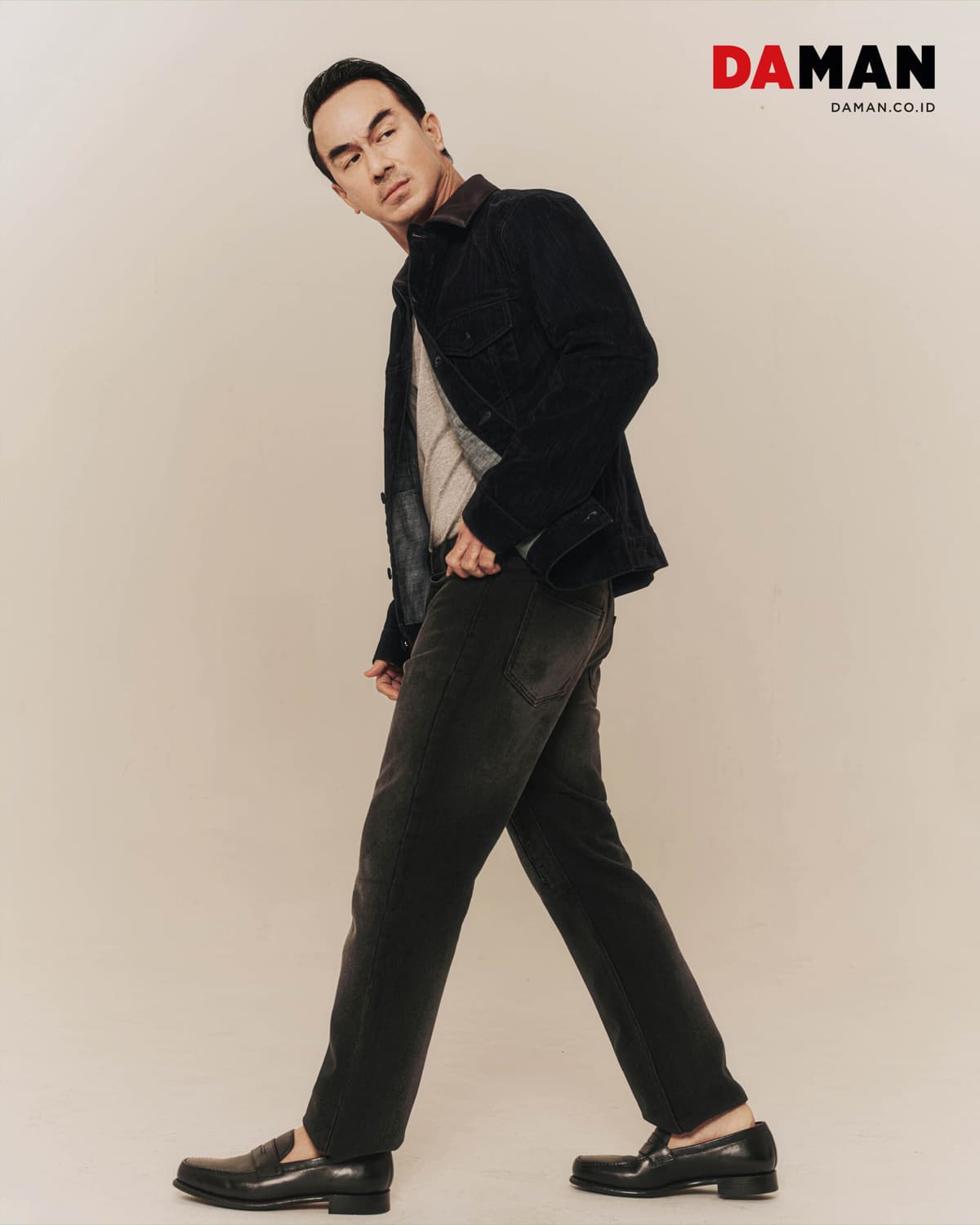
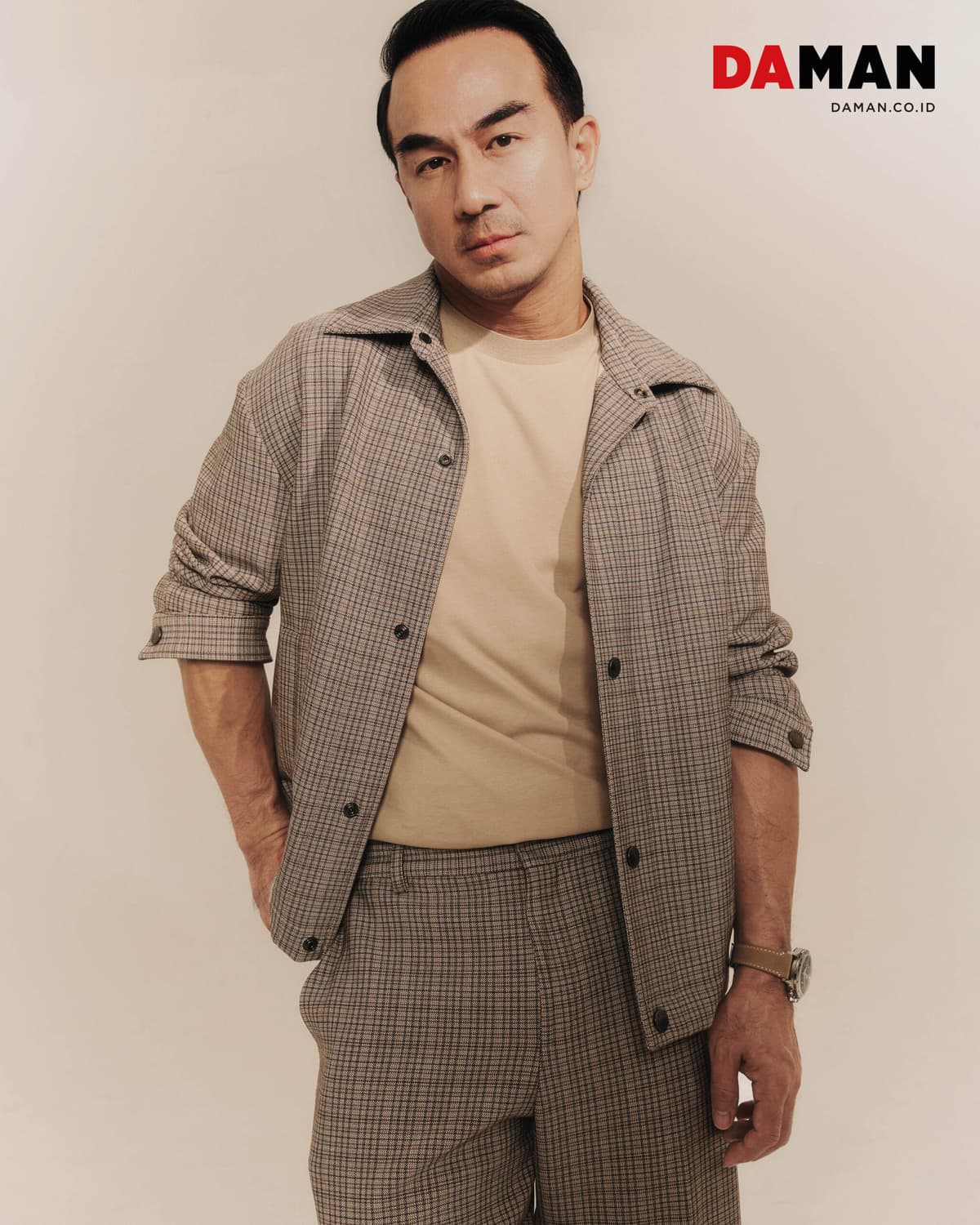
Back on the cover of DAMAN, Joe Taslim reflects on a year that spans Hollywood films, his growing love for DJ-ing and the evolving outlook that guides his journey
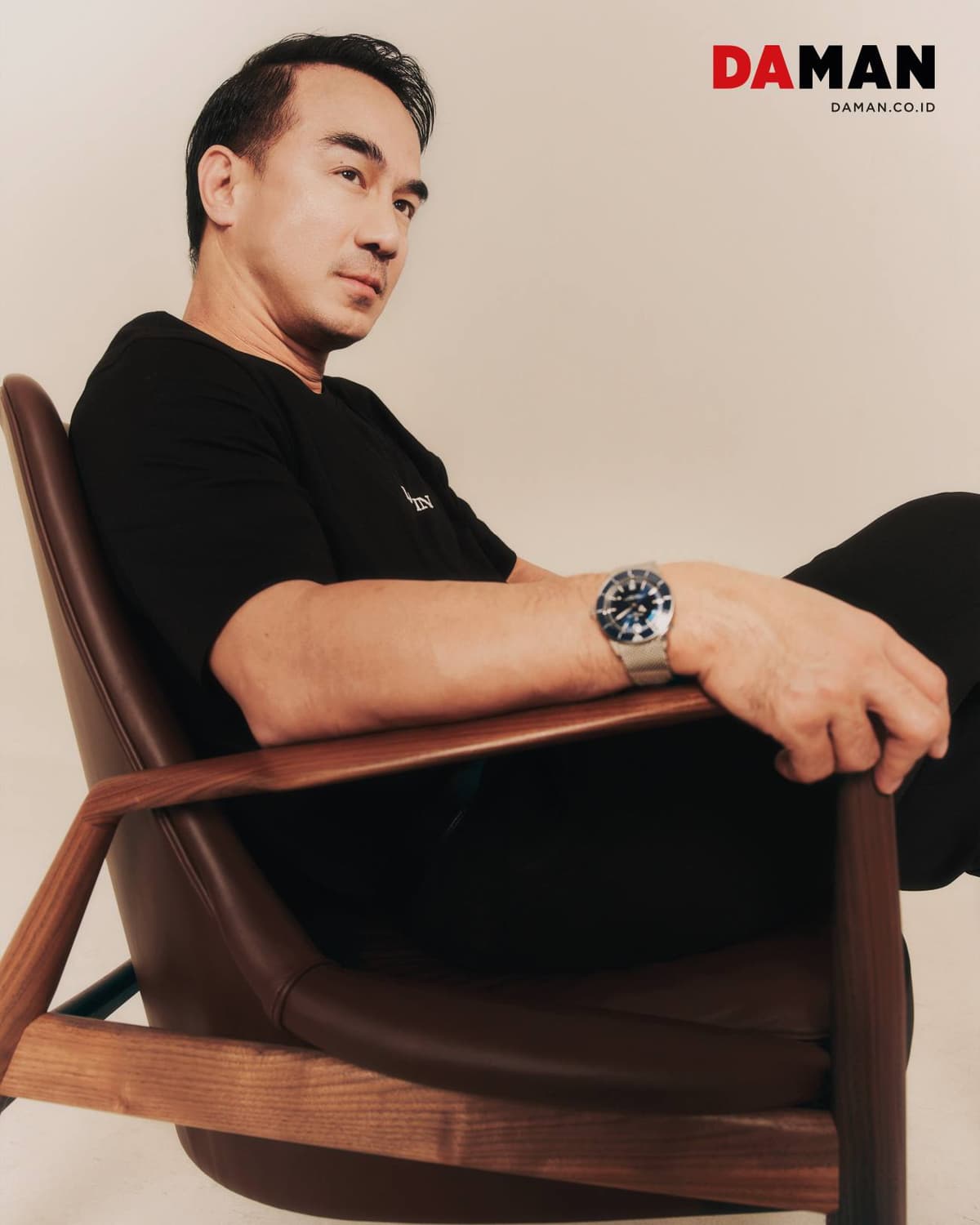
There is a magnetism to Joe Taslim that goes beyond the screen. The Indonesian actor carries a quiet intensity that hints at depths far past the roles he plays. From his breakthrough in “The Raid,” which helped put Indonesian cinema on the global map, to Hollywood hits like “Fast & Furious 6” and his chilling turn as Sub-Zero in “Mortal Kombat,” Taslim has shown time and again that his talent transcends borders.
This year marks a pivotal moment in his career. He reprises his role as Bi-Han in “Mortal Kombat 2,” which is set to release in 2026, evolving into the fan-favorite Noob Saibot—while also starring in “The Furious,” a Hong Kong action film produced by the legendary Bill Kong. Together, the projects highlight his versatility and international reach.
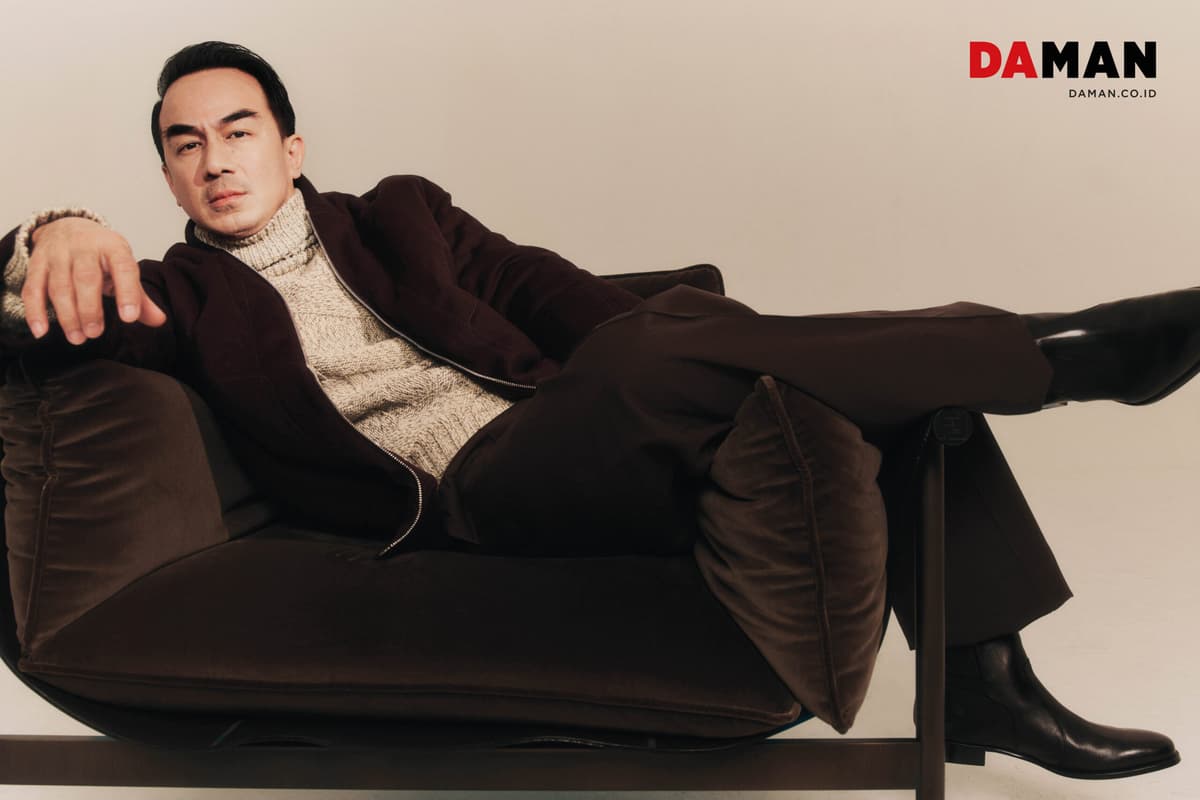
Yet to know him only as an action star is to miss the bigger picture. Off camera, he is thoughtful, devoted to his family and equally passionate about music. Behind the decks as a DJ, he finds another outlet for storytelling and self-expression.
Balancing Hollywood sets, Indonesian productions and his love of music, Joe Taslim continues to cross boundaries, approaching each world with the same intensity he brings to his roles. DA MAN sat down with him to talk about his latest projects, the contrasts between Indonesia and Hollywood and how music brings rhythm and freedom into his life.
DAMAN: Hi Joe. With 2025 almost over, how has the year treated you so far?
Joe Taslim: It’s been good. I’m pretty chill at the moment, but I have two projects coming soon—one is a Hong Kong film and the other is “Mortal Kombat 2.” Things will get busy starting in September. I’ll be flying to the Toronto International Film Festival (TIFF) for the world premiere of “The Furious.” After that, there will be campaigns for both films.
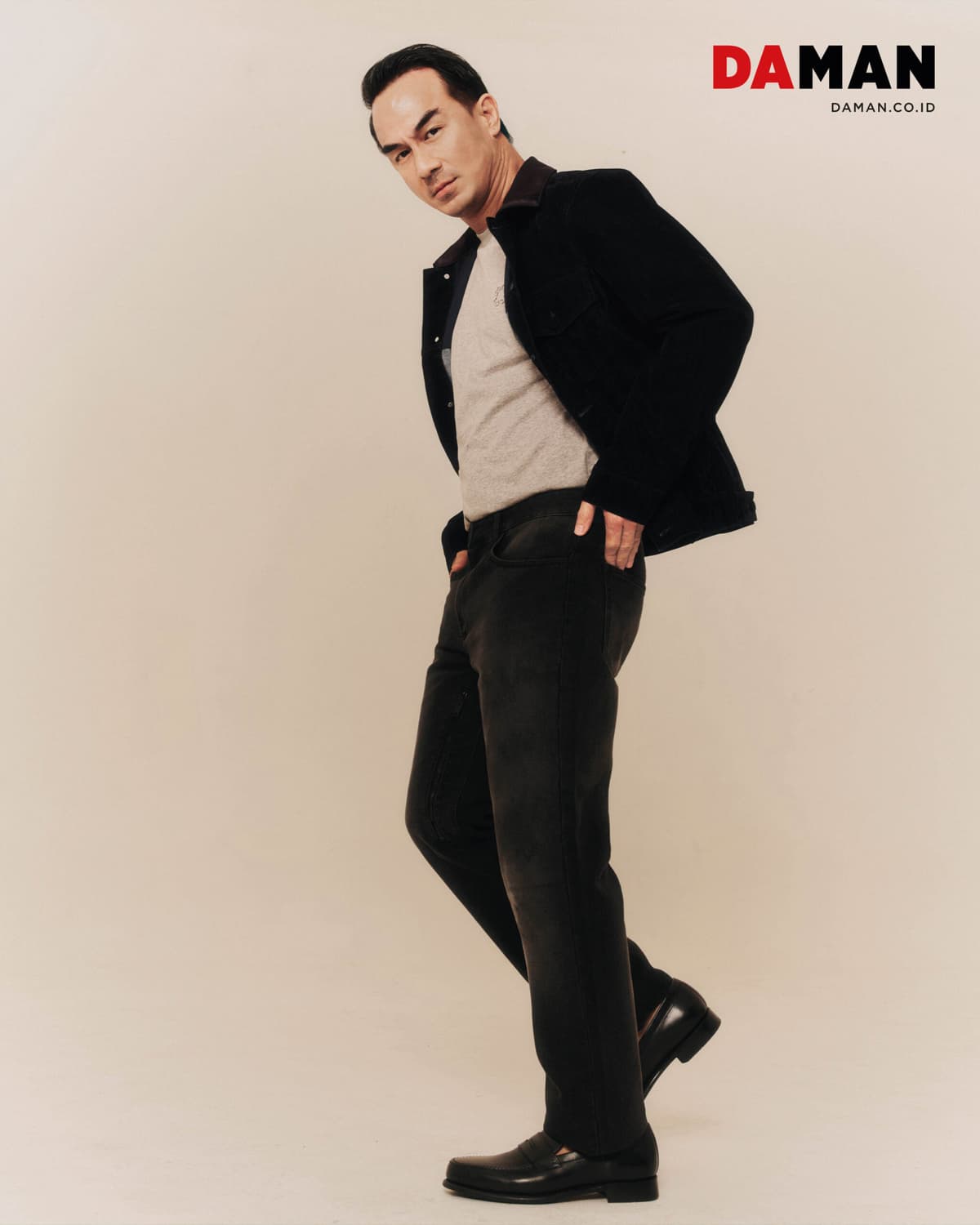
DA: Tell us about “The Furious.” What drew you to this project?
JT: Last year was a dream come true for me. I grew up watching Hong Kong movies, and then Kenji Tanigaki—the director of the legendary “Rurouni Kenshin”—flew to Jakarta to meet me in person. He didn’t just call or email; he made the trip to ask if I’d join his film. I felt honored.
We shot the movie in Bangkok with Bill Kong producing. He’s behind films like “Crouching Tiger, Hidden Dragon” and so many other iconic works. This was my first collaboration with the Hong Kong industry. It was fun, intense and the action was on another level—almost on par with “The Raid” and “The Night Comes for Us.” The world premiere took place on September 6 in Toronto.
DA: Were there any scenes from the film that stood out for you?
JT: Definitely. The best part was reuniting with Yayan Ruhian. We fought in “The Raid,” and now we faced off again in this film. Shooting with him is always a joy—he’s like a big brother. He’s humble and collaborative, so every scene we shared was wild, dangerous and a lot of fun.
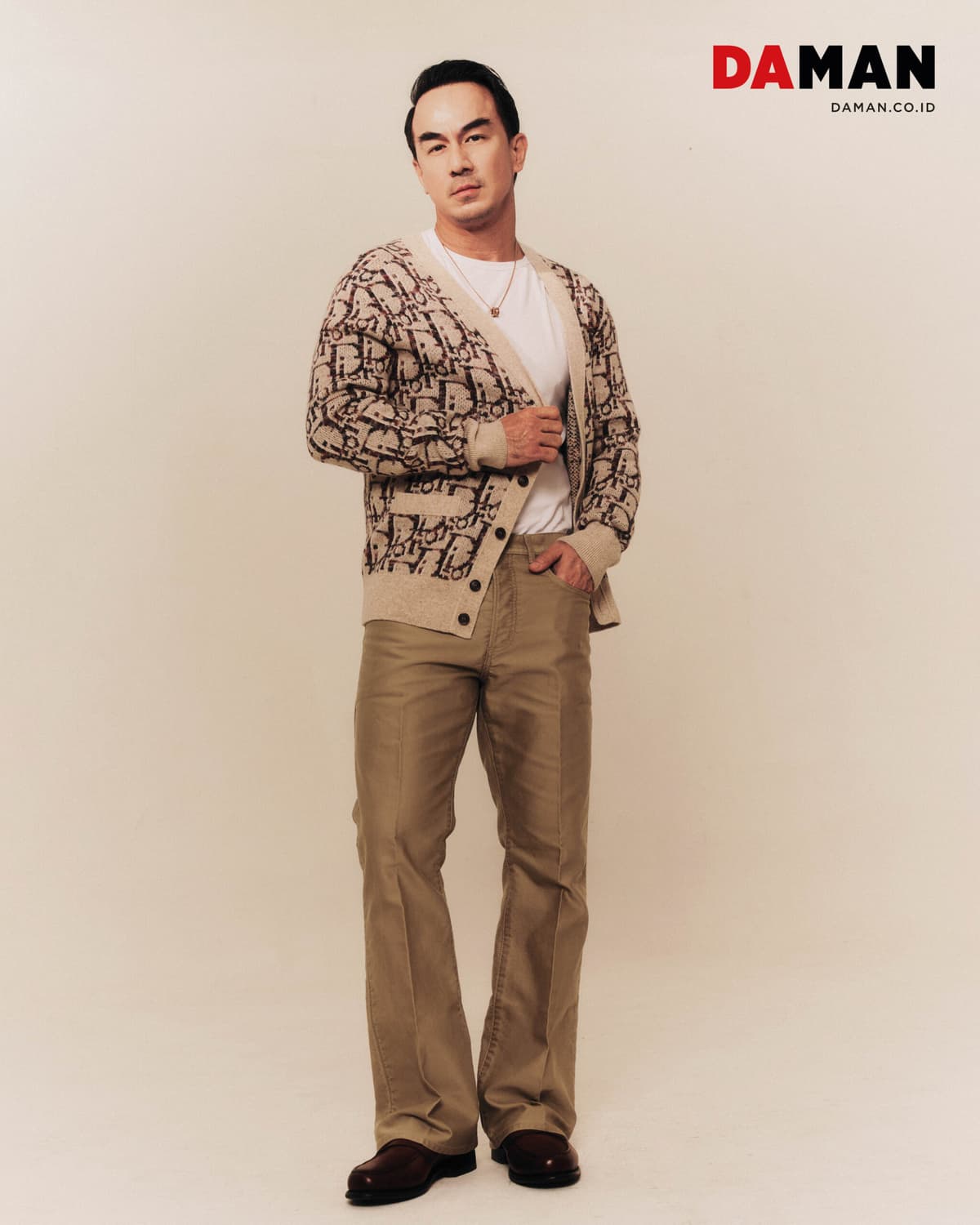
DA: Your upcoming “Mortal Kombat 2” movie is one of the most anticipated films. How does it feel to return to the franchise, this time as Noob Saibot?
JT: It’s unbelievable. Noob Saibot has appeared briefly before, but this time he’s really being introduced. I think I did a solid job as Sub-Zero, and fans around the world showed me so much love.
Now the challenge is to bring Noob Saibot to life. He’s a fan favorite—overpowered, as players say—and expectations are high. This will be the first time audiences see him fully, not just as a cameo. When the trailer dropped last month, fans said, “We loved your Sub-Zero, and we believe in you.” That’s encouraging, but it’s also pressure. I just hope they connect with my version of Noob Saibot.
DA: Did you feel a greater sense of responsibility this time, knowing how invested fans are in Bi-Han’s arc?
JT: The pressure is always there. But as long as I’m honest and give my best, that’s enough. That was my approach with the first movie. Reviews were mixed, but people loved Sub-Zero. In fact, the pressure back then was harder because Sub-Zero is so iconic.
My process hasn’t changed: I do my homework. There are many versions of these characters, and I had to decide which one fit me and where I could put my own soul into it. When you’re honest and work hard, fans usually feel that, and the result won’t miss the mark by much.
DA: How has working in a franchise rooted in gaming culture influenced your approach?
JT: I grew up with it. Back in 1993, I played “Mortal Kombat” on Sega Genesis. I loved it. I knew all the characters—Sub-Zero and Scorpion were my favorites. So when I got the role, I already understood the world.
Of course, I still had to read and research. There are many arcs, and you don’t know which version fans prefer. I combined the best elements and built my own take. The director and writer supported that and even let me improvise. Not every set allows that kind of freedom.
DA: Having worked in both Indonesia and Hollywood, what’s the biggest difference on set?
JT: Flexibility. In Hollywood, everything is strict and you must always be ready—no one will cover for you. In Indonesia, the process is more collaborative. Directors, coaches and even senior actors will step in to help. The pressure in Hollywood is higher, but both approaches have their strengths.
DA: Is the difference more in terms of budget and resources, or is it more about storytelling?
JT: I think Indonesian cinema is strong. We have our own identity, talented directors and great actors. What we lack is investment and big budgets. Hollywood can make USD 200 or 300 million films easily, while here it’s harder to go epic. But I don’t think Indonesia needs to copy anyone. We just need more support and collaboration. We’re already doing well.
DA: What strength of Indonesian storytelling do you think Hollywood can’t replicate?
JT: Our culture. We have countless stories from different regions, and many remain untold. Recently, genres have expanded—look at “Jumbo,” an animated film that became the biggest box office hit ever here. That took courage. I think this year is a turning point, with more diversity in genres. Drama, horror and action will always dominate, but we’re becoming richer in content.
DA: Many Indonesian actors and actresses look to your successful international crossover. What’s your one key piece of advice for making that leap to Hollywood?
JT: Passion is essential, but you don’t have to move to Los Angeles to start. Take a look at my journey: it began with the Indonesian film, “The Raid.” That movie opened doors globally because it was a great film made in Indonesia. That’s the only thing you need: be part of a genuinely great Indonesian project with the potential to be seen worldwide.
That’s what Iko Uwais and I did. We started here. We were just kids, completely trusting our director, Gareth Evans. Our fire wasn’t for money or awards; we wanted to make an action movie we could be proud of. With that spirit, the universe agreed. The movie traveled further than we ever imagined and introduced us to Hollywood. So, while networking has its place, our case proves that a “freaking good Indonesian movie” can be the most powerful leap of all.
DA: Outside of acting, you’re also a DJ. Where did your passion for music begin?
JT: When I was young, I wanted to be a musician first. Acting makes me feel alive on set, but music makes me feel alive every day. Both are important. Acting is about living—experiencing many lives and connecting with different forms of art. Music, painting, dancing and DJ-ing all help me grow as an actor.
DA: Do you feel a connection between acting and DJ-ing?
JT: Absolutely. DJ-ing is storytelling through music. A good DJ plays what people want; a great DJ introduces sounds they didn’t know they’d love. That’s art.
DA: If your life had a soundtrack, what genre would it be?
JT: Hip-hop, always. Hip-hop and R&B. That’s why I DJ—it makes me happy. For me, life is about expression. I tell my daughter: don’t be afraid, do what you love. At 60, I want to tell my grandkids stories, not regrets.
DA: Finally, if you had to pick three songs for that soundtrack, what would they be?
JT: Not many people know this, but I’m a romantic. “I Have Nothing” by Whitney Houston, “Take a Bow” by Madonna and I also love Babyface and Brian McKnight. Melancholic songs touch me deeply. People see me as tough, but inside I’m the opposite. Of course, I can still dance to hip-hop and go wild—that’s the other side of me.
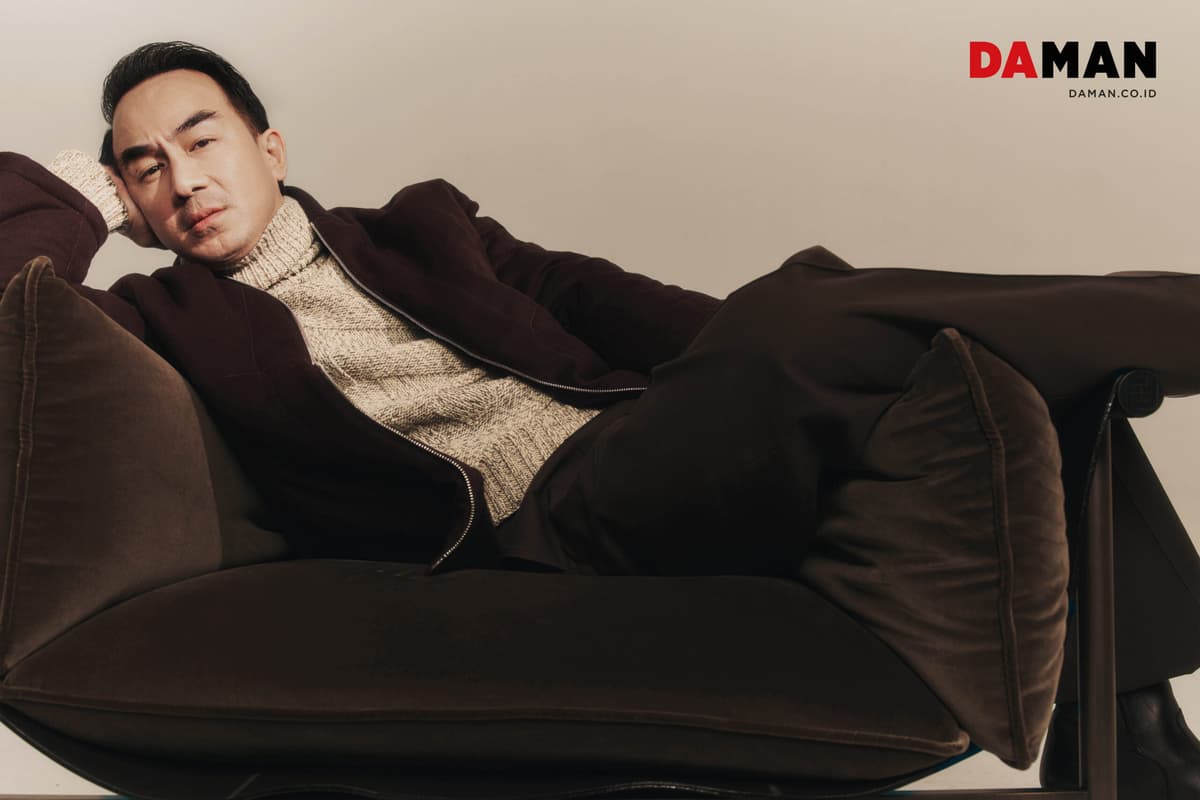
Creative Director Brad Homes
Photography Ikmal Awfar
Styling Isabella Harahap
Photography Assistance Ricky Safarullah
Styling Assistance Bagoes Abyoso, Vanessa Yofania
Grooming Pinky Olive