


Jack Parr from “The Last Breath” and “Take Cover” has always considered himself lucky, even though his body of work and his diverse range of talents speak rather of raw talent and a penchant for hard work
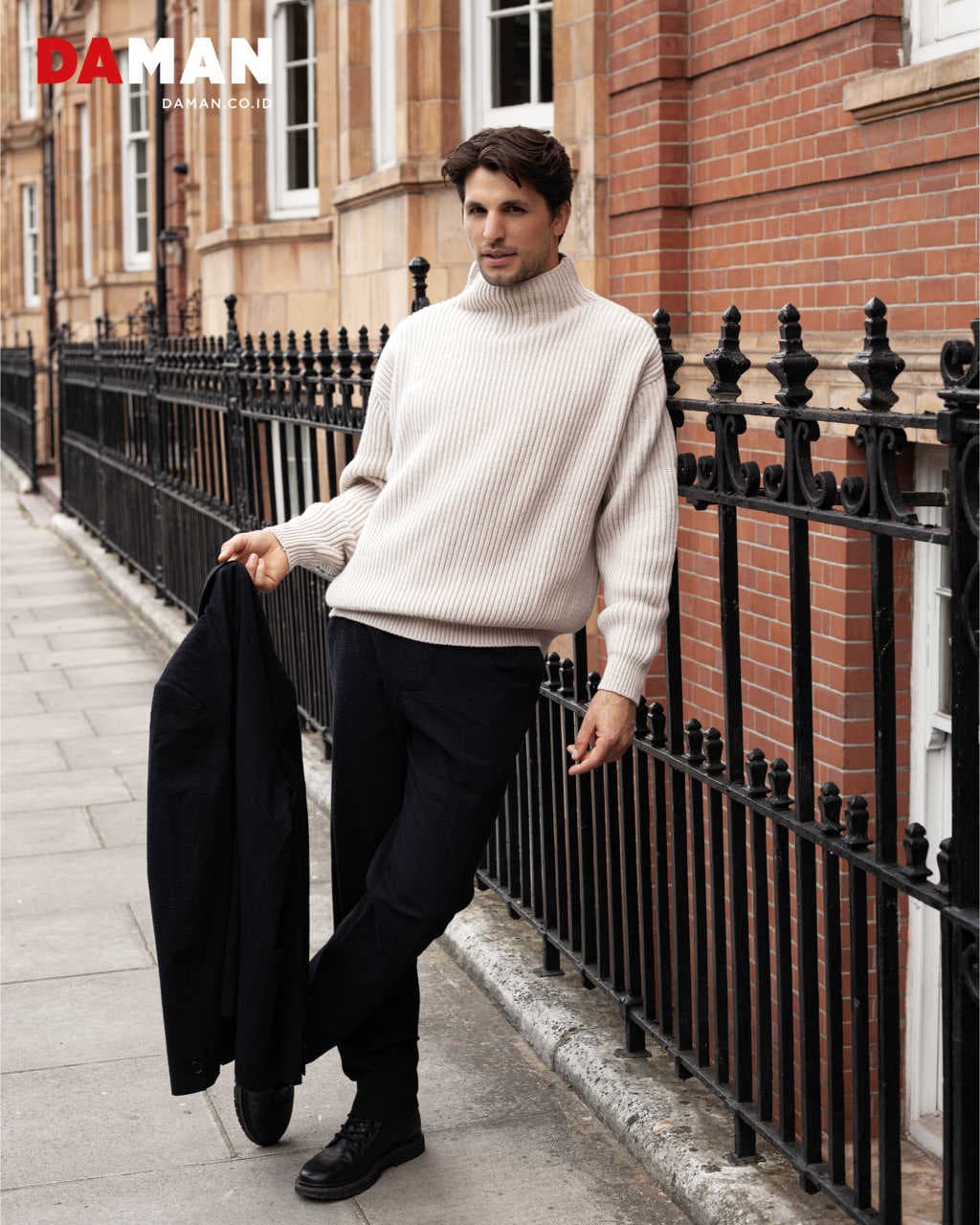
The phrase “multi-talented” gets thrown a lot perhaps a bit too easily these days, so it’s definitely refreshing to meet an artist that fits the definition to a T. London-based actor Jack Parr certainly has the body of work of a multi-talented artist: He’s worked on various TV shows (including big hits like “Peaky Blinders” and “Masters of the Air”) as well as plenty of feature-length movies (such as this year’s “The Last Breath” and the upcoming “Take Cover”), but he’s also delved into writing and directing, while also doing voiceover work. It goes without saying that Parr has quite a story to tell…
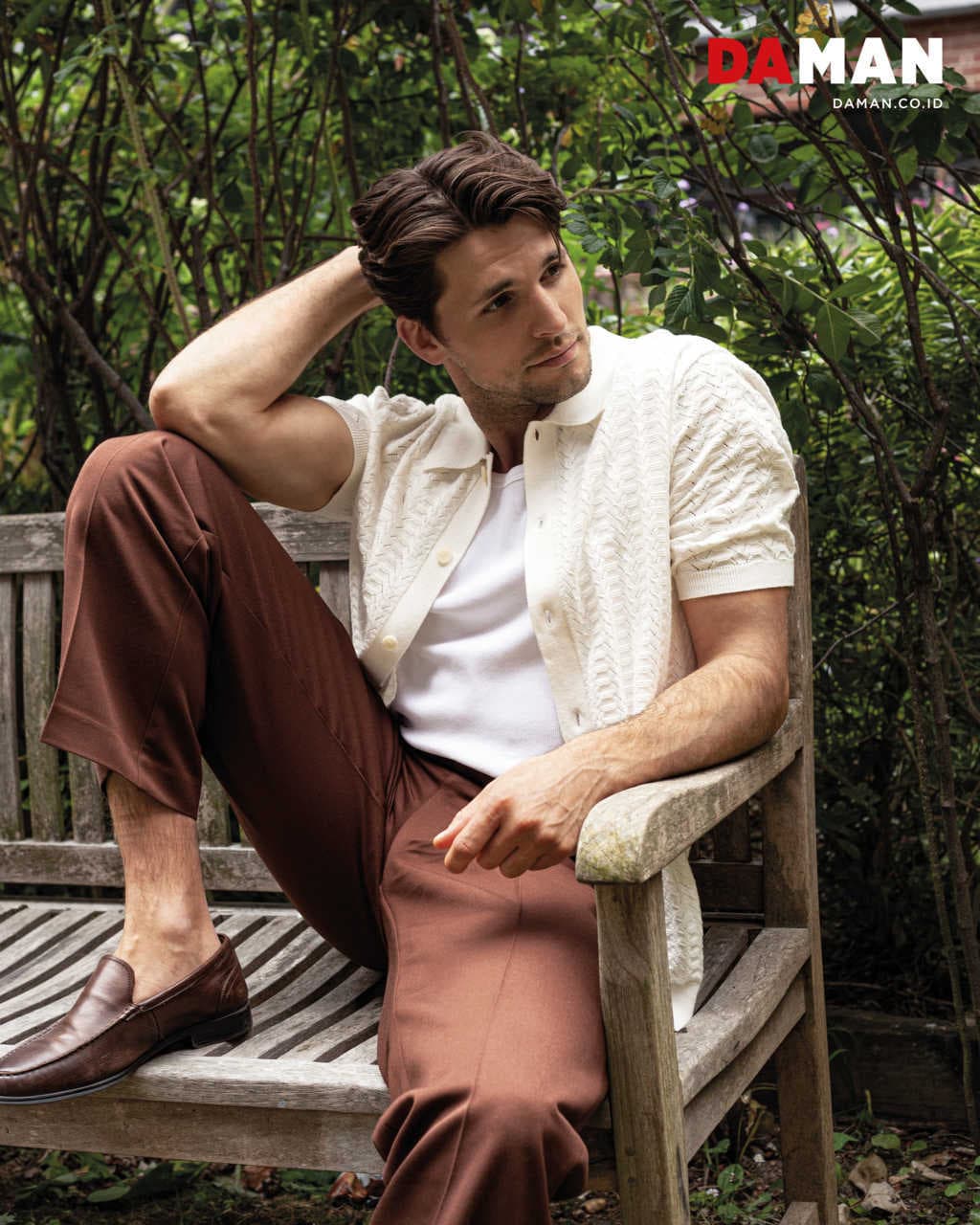
DAMAN: Hi, Jack. Awesome to have you with us. Let’s start with one of your latest works, “The Last Breath.” Can you give us a short intro to the movie for any of our readers who might have not watched it yet?
Jack Parr: “The Last Breath” is a thriller about five friends who dive an unexplored shipwreck, only to get trapped, rapidly losing oxygen, surrounded by sharks.
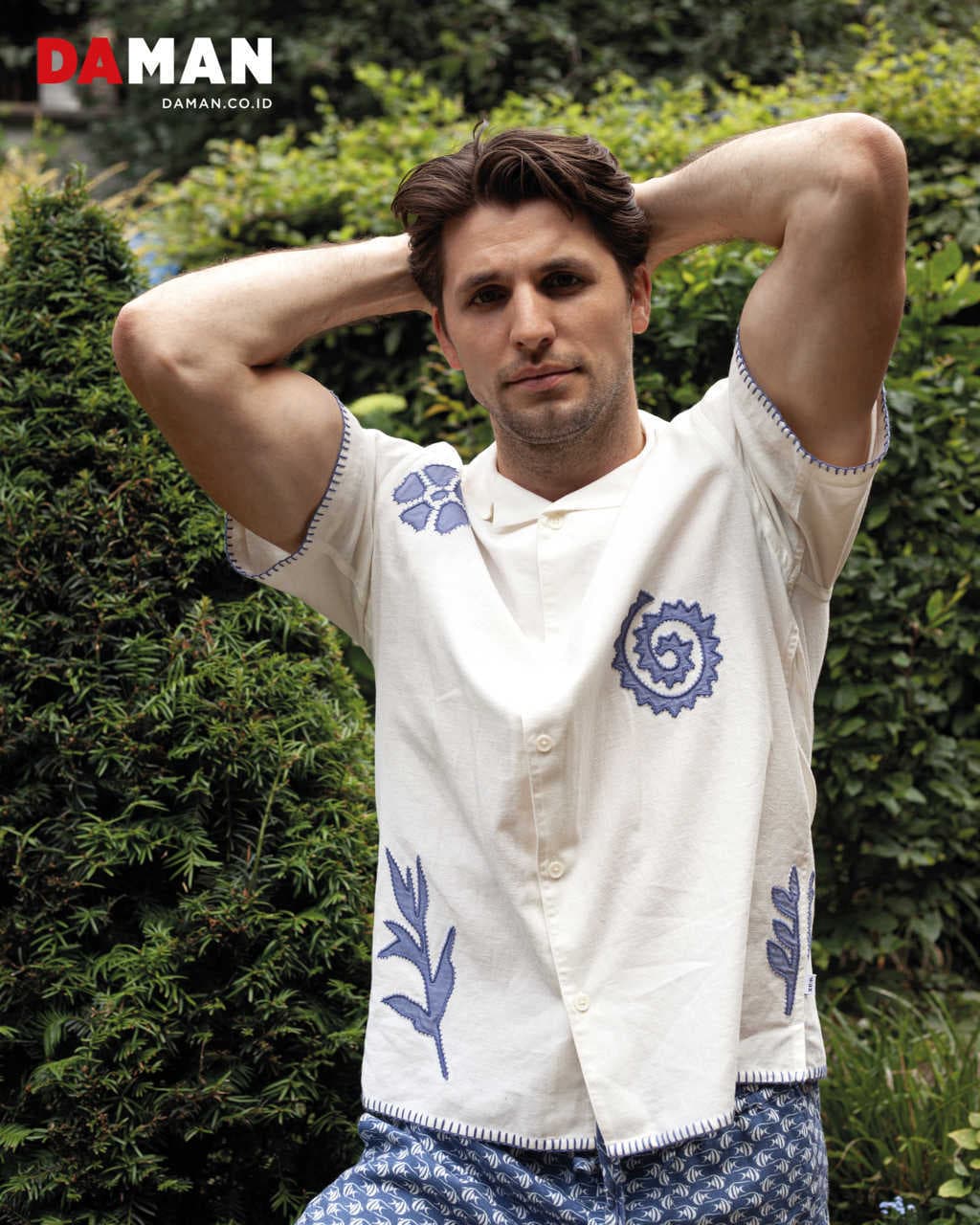
DA: What are some of the most unexpected parts of working on a movie like “The Last Breath” that features so many underwater scenes?
JP: The most unexpected thing about filming something like this is that you can’t really communicate with the director once you are under water. He [Joachim Heden] would talk to us via an underwater speaker, but we couldn’t reply, only with very basic sign language. So, it was pretty tricky to shoot scenes. We had to carefully block the scene before we would dive as we’d be under for around an hour shooting before we came back up for new air tanks. Concentration was imperative on the pre-planning.
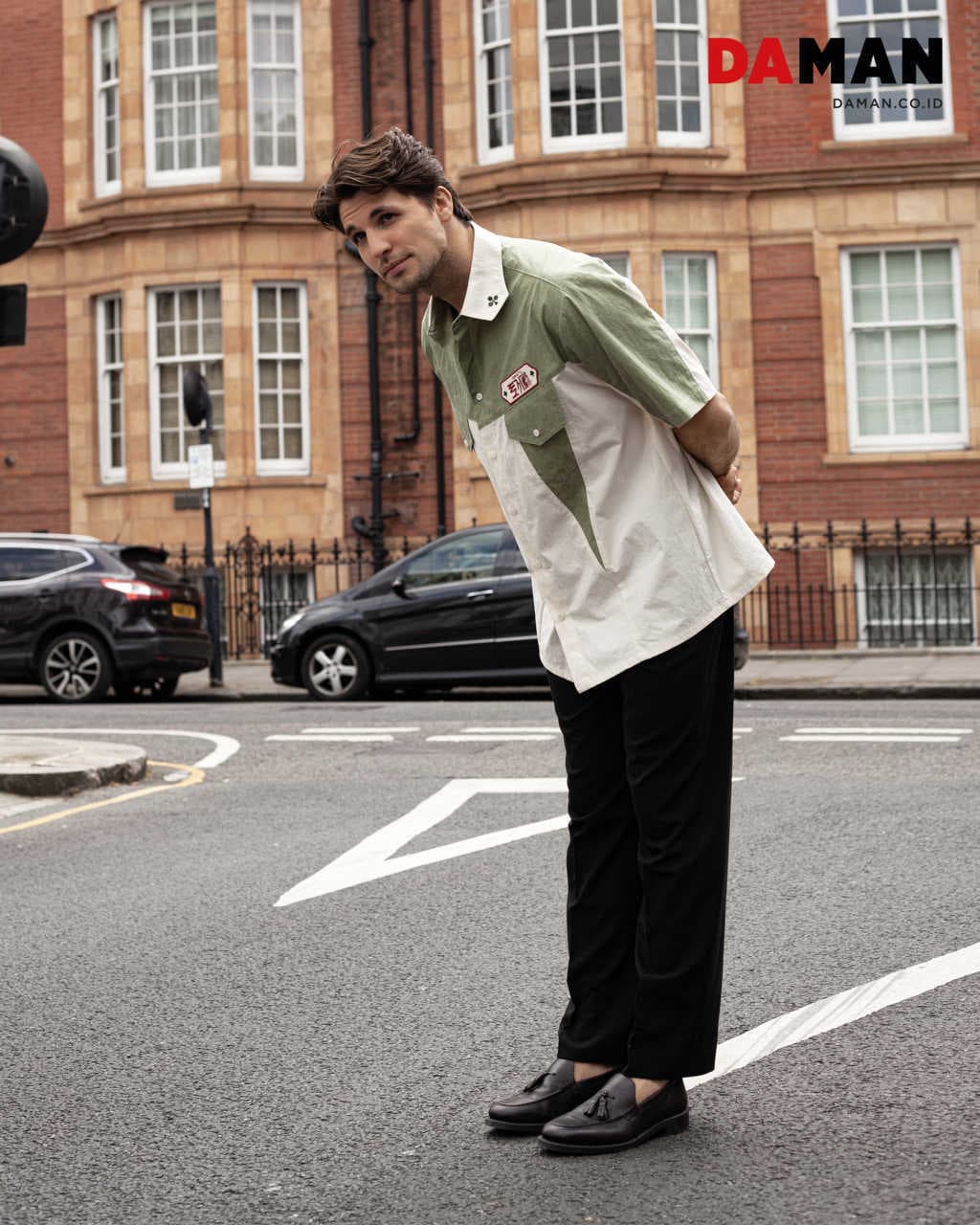
DA: There’s never a shortage of films that bank on our fear of the deep sea and of sharks. Why do you think do we never get tired of being scared by underwater thrillers like these?
JP: It’s that feeling of the unknown. Not knowing what’s down there, I think. We all know that feeling when you are in the deep sea or in a murky lake and just can’t help but feel anxious of the potential of what is beneath us. And the sea is just so vast. We would dive in Malta, shooting scenes; you look down and it’s so deep the blue dissolves into nothingness. Its scares the hell out of you.
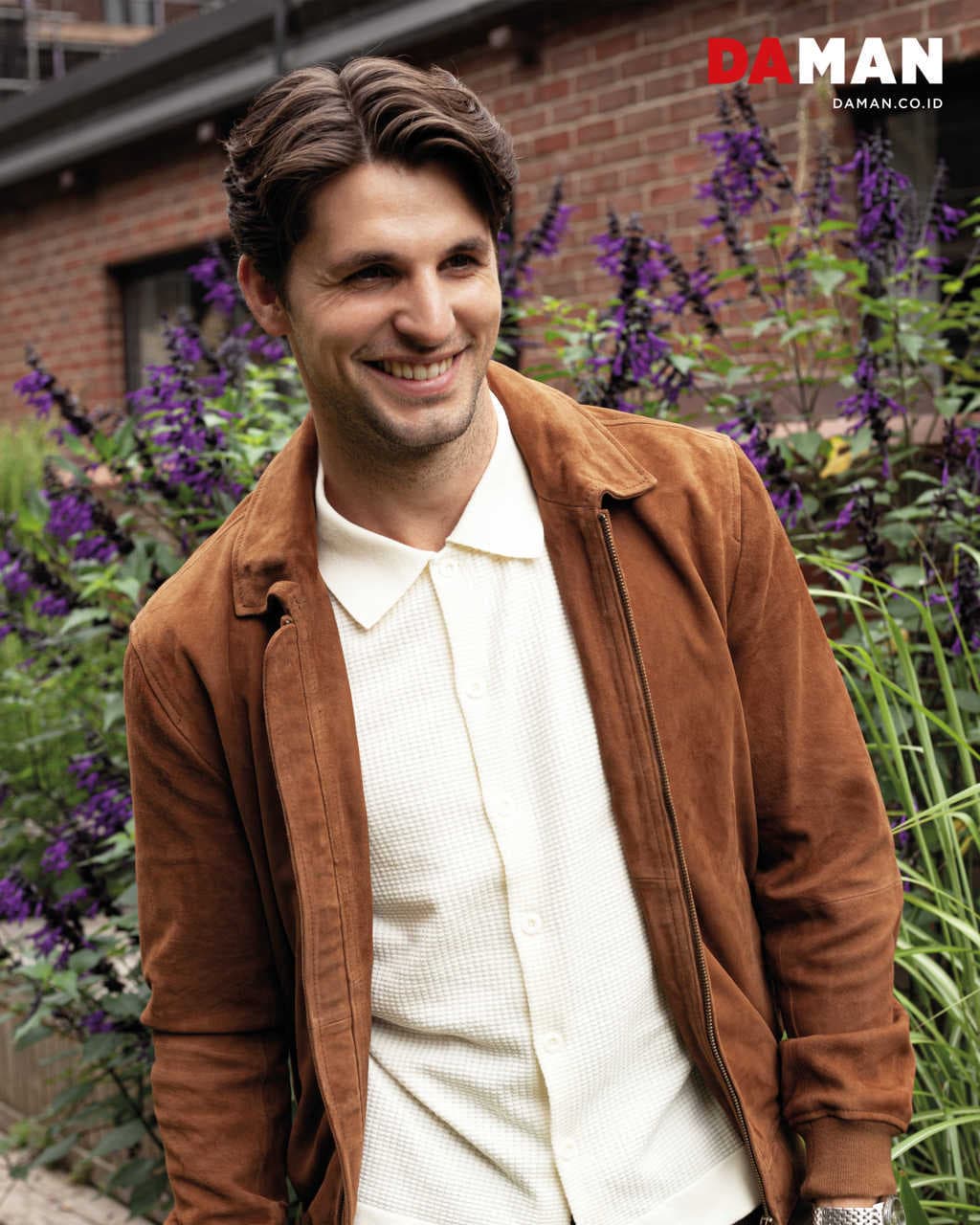
And what’s down there? They say we’ve only physically explored five percent of the ocean although we’ve mapped and chartered 20 percent. So, 95 percent of our ocean is unexplored. That is crazy. If that doesn’t scare you, I don’t know what does. And to add to that, throw in the fear of drowning … and now I’m pretty scared.
95 percent of our ocean is unexplored. That is crazy. If that doesn’t scare you, I don’t know what does
DA: Overall, what do you think does “The Last Breath” bring to the genre? Or perhaps, what is the main draw of the movie that you feel would attract fans of shark movies while also piquing the interest of the average moviegoer as well?
JP: I love the fact it’s very dark and confined. A lot of shark movies are in the open, very clear and well-lit, so you can see the entire shark. But with ours, because it’s set in an unexplored shipwreck, it’s tight and mysterious and dark. Sometimes you can only see the fin of the shark move past which I think is all the more daunting. I really like that aspect of the film. And it’s not just the sharks that are a threat, you know. Without the sharks. this would still be a pretty good scuba diving thriller. The real threat is running out of oxygen and navigating their way out of the shipwreck. The sharks are just an additional barrier.
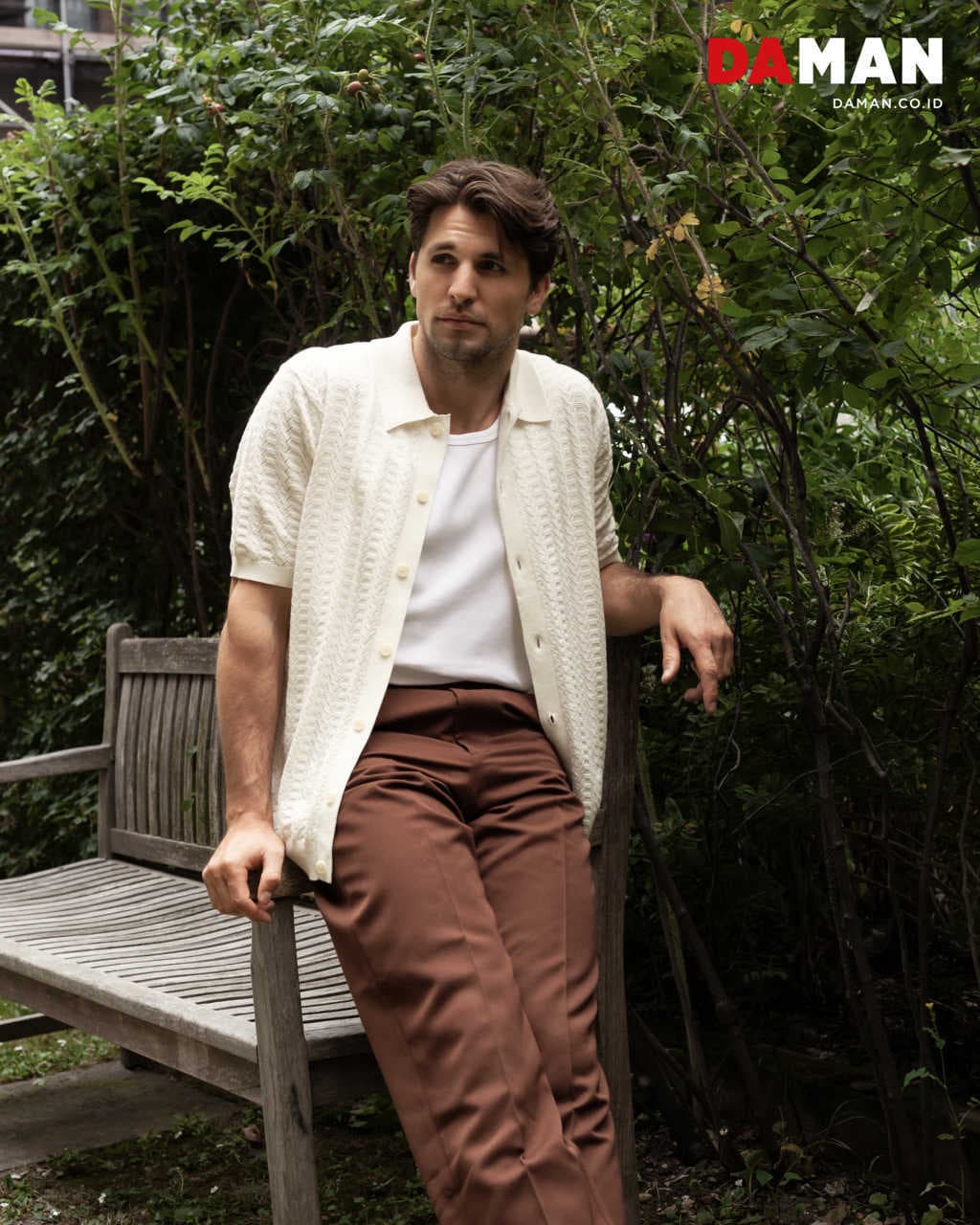
DA: A quick peek at your IMDb page shows that you’re also set to appear in quite a few upcoming movies, including “Take Cover” which sounds really exciting. What can you tell us about this movie?
JP: Yes, I loved working on that movie. This is a high-octane sniper film, about two guys on their last mission before Sam [played by Scott Adkins] retires. We had a blast filming it and I think it’ll be a real thrill. I’m not sure when it comes out, but it won’t be too long. And I hear on the grapevine the people in charge are pretty happy with it.
DA: You’ve also appeared in some really popular TV series, such as “Peaky Blinders” and “Masters of the Air.” What would you say are the biggest differences between working for standalone movies vs. TV shows?
JP: You need look after your energy, especially when you are filming for months. You have to stay healthy. “Peaky Blinders” filmed for six months and I think Cillian Murphy had one scheduled day off. He’s pretty much in every day. That’s got to be tough. I’d love to do more episodic TV, but I’d say from my experience it all depends on the filmmakers, budget and time. Some shows shoot super-fast, because of budget or turnaround, and some really take their time and perfect everything. Some filmmakers shoot a few shots and move on and some do take after take. It all depends. “Masters of the Air” was obviously a completely different experience to “EastEnders,” because with the budget and time we had on “Masters,” it makes it a completely different experience.
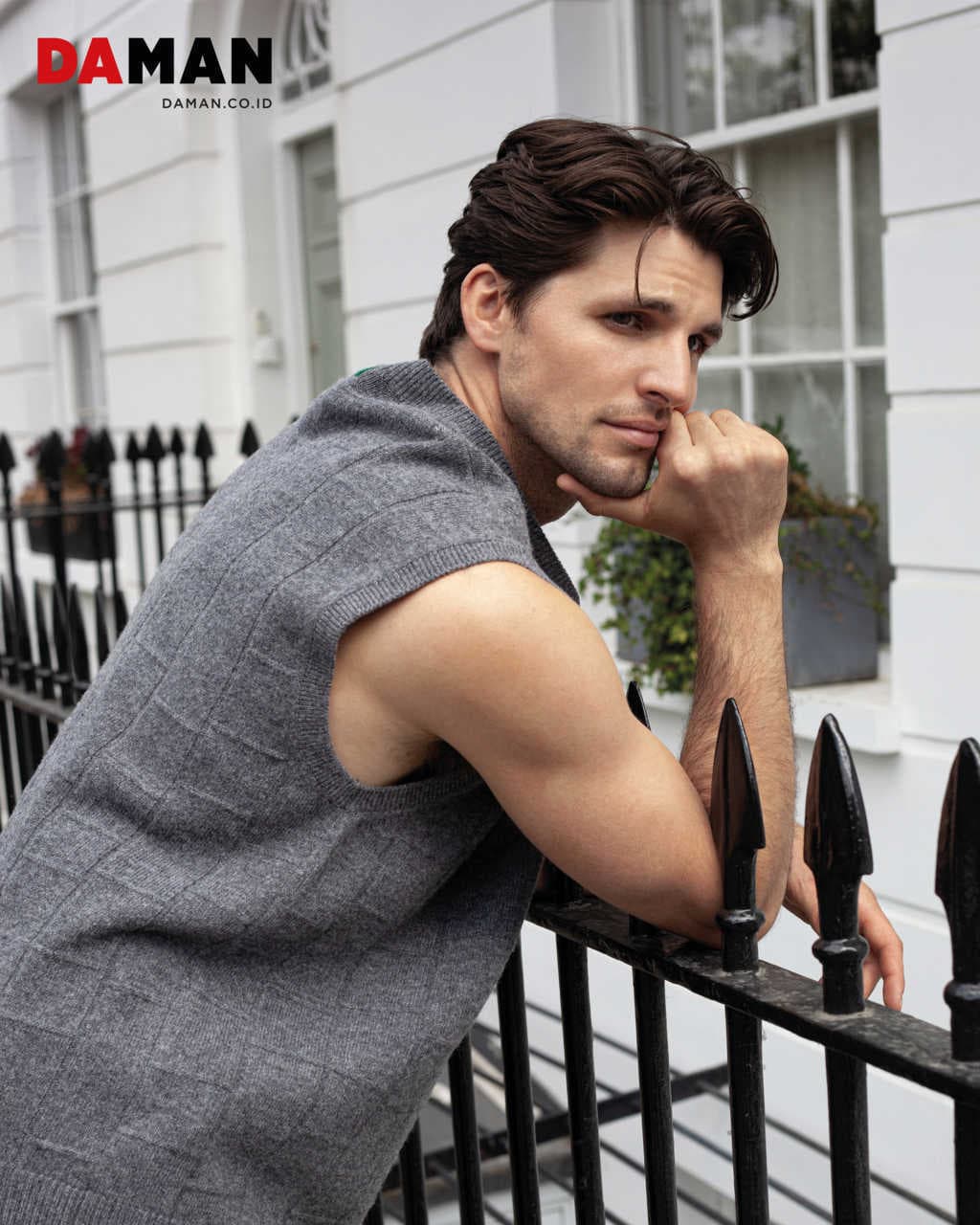
DA: We’ve also noticed that you’ve written and directed several upcoming short films. What inspired you to explore this aspect of filmmaking?
JP: I’ve always had a fascination in filmmaking, not just acting alone. I found myself quite interested in what cameras people were using, where they were putting the lights, what lenses they are using and why this shot vs. that shot. And I’ve always had a fascination in writing, too. I love reading scripts and I love reading about screenwriters’ journeys.
I started writing years ago and couldn’t get anyone to direct my work, so a mate of mine called Nate Camponi who is also a director just said: “Direct it yourself!” and I said: “Oh no, I can’t do that; I don’t know what I’m doing.” And then Joachim [the director of “The Last Breath”] said the same thing. I said to him I didn’t know where to put the lights and he said hire a good crew, a good DOP [director of photography] and you’ll be fine; they’ll do that for you. That really gave me the confidence to go and raise some funds to shoot a few short films and hire a crew. I am so grateful to those two directors who inspired me and pushed me to make my own work. I really fancied directing, but I was just too scared.
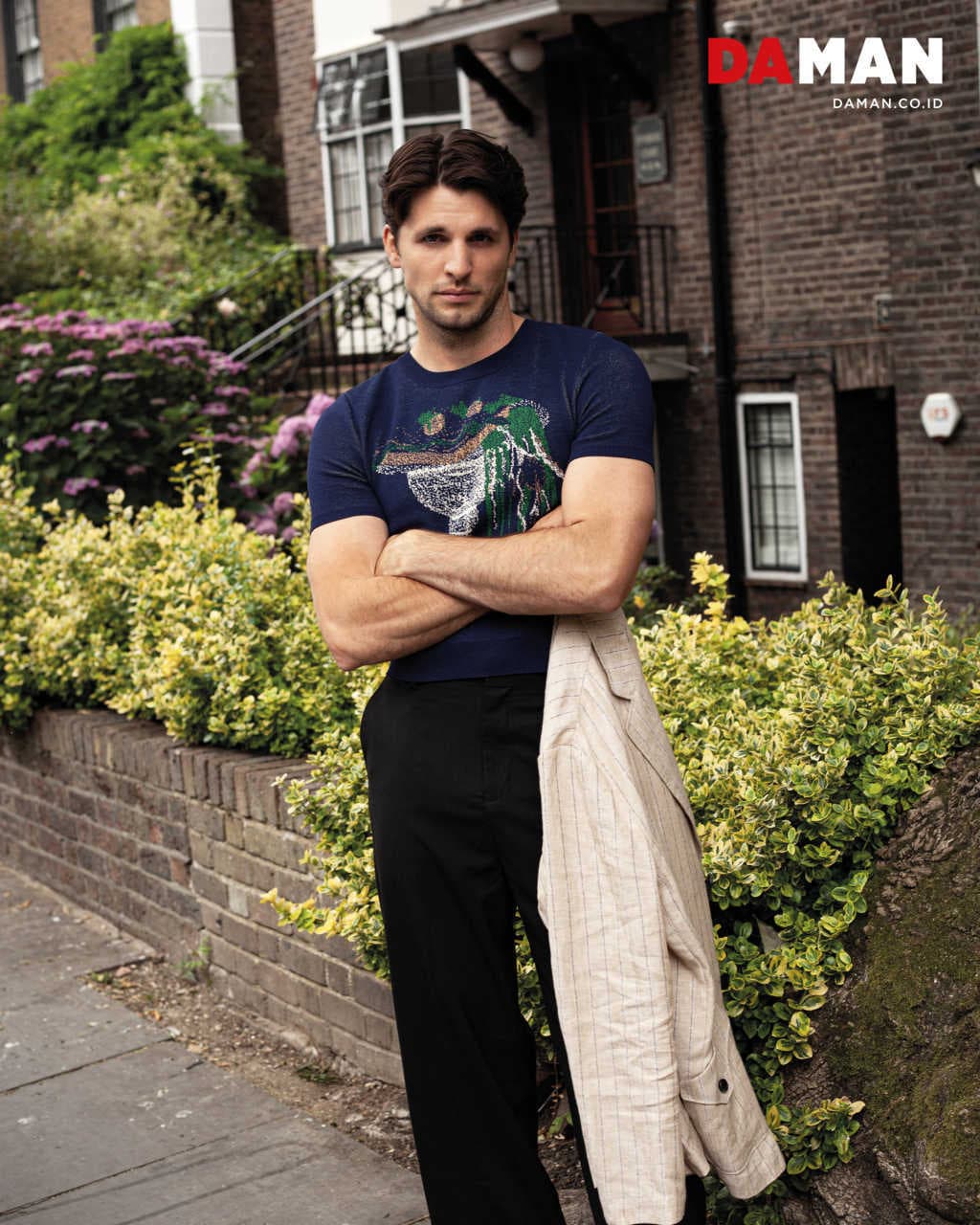
DA: In your experience, does spending time behind the camera help you perform better in front of the camera or vice versa?
JP: One million percent. Stepping behind the camera and directing actors makes you very quickly realize what really doesn’t matter. Less experienced actors worry about everything, every move, as opposed to the more experienced actors who seem to just get on with it. They’re more comfortable in their skin, they trust themselves, they trust the process. And you get to see the edit and what works and what doesn’t. It’s fascinating. I definitely think I give the director an easier time now when I’m working as an actor. I hope so. But, hey, I’m not an experienced actor or director. I’ve got tons more to learn, so I can’t talk as though I’ve cracked it. I’m still in the boat.
DA: And apparently, you also do voiceover work with SN Voices. What was it that motivated you to delve into this field?
JP: Yes, I love voiceover! I think all these skills go hand in hand so I don’t feel like I’m taking too much on. Voiceover is just acting but without a camera. But it’s so fun! Voiceover is the medium that allows you to go whacky. They always want interesting takes on characters. It’s always cartoons and games, so it makes sense they want something weird and different.
DA: What’s something that a lot of people get wrong about voiceover work?
JP: That it’s easy. Everyone thinks it’s a real easy gig. You know, sit in a booth and say some lines that are already on page right in front of you? Couldn’t get easier, right? I thought the exact same way on my first gig.
But it’s very difficult. You can only do four-hour sessions—in my experience—because your voice can’t take it, of course. But they pile in the dialogue for those four hours. You’re constantly talking for four hours, sometimes screaming, “Murder! Murder! Guard! There’s been a murder! Help!” for hours. So, you get the picture. And if it’s the first time you’re reading these lines, sometimes they just come out of your mouth weird. It is not a breeze in the slightest.
DA: And for our last question—apologies if it’s a bit clichéd—what are you most grateful for right now?
JP: Here’s a cliché answer back at you. This business is tough and my partner gets down in her job, too. So, I’ve got into the habit of saying to her: “Look at this place. We have our own place; we can actually afford the mortgage, as long we can afford the mortgage and buy food, we are doing great!” And that normally helps me out a lot. I go into detail about how lucky we are to just have all our limbs and be healthy and able bodied. I really got that from my dad. We would talk over coffee and numerous times he would go into that stuff—about how lucky we are just to have two ears, two eyes, all of our fingers. You know, he’d really describe how lucky we are just to be born in the right area, with the opportunities we have been given.
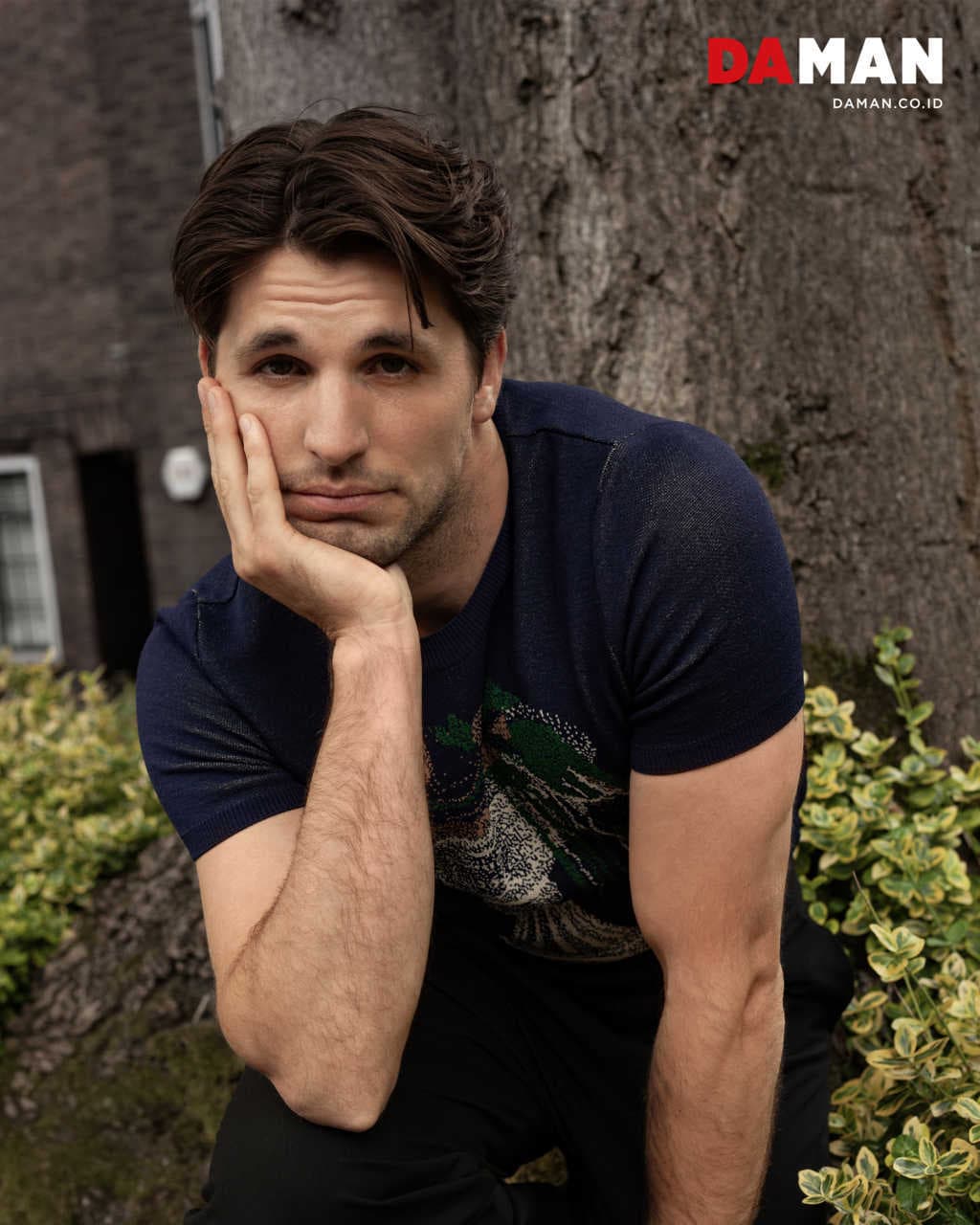
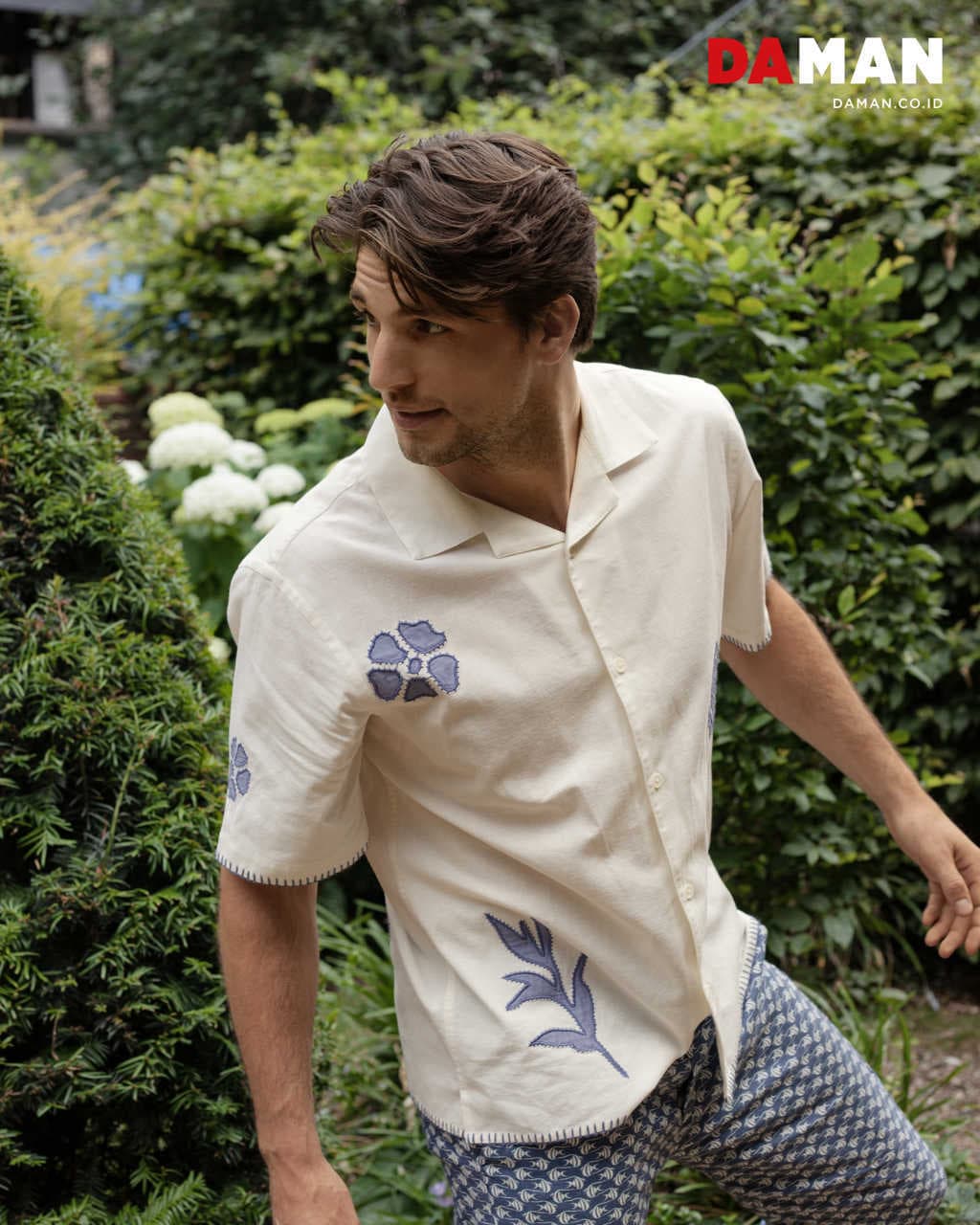
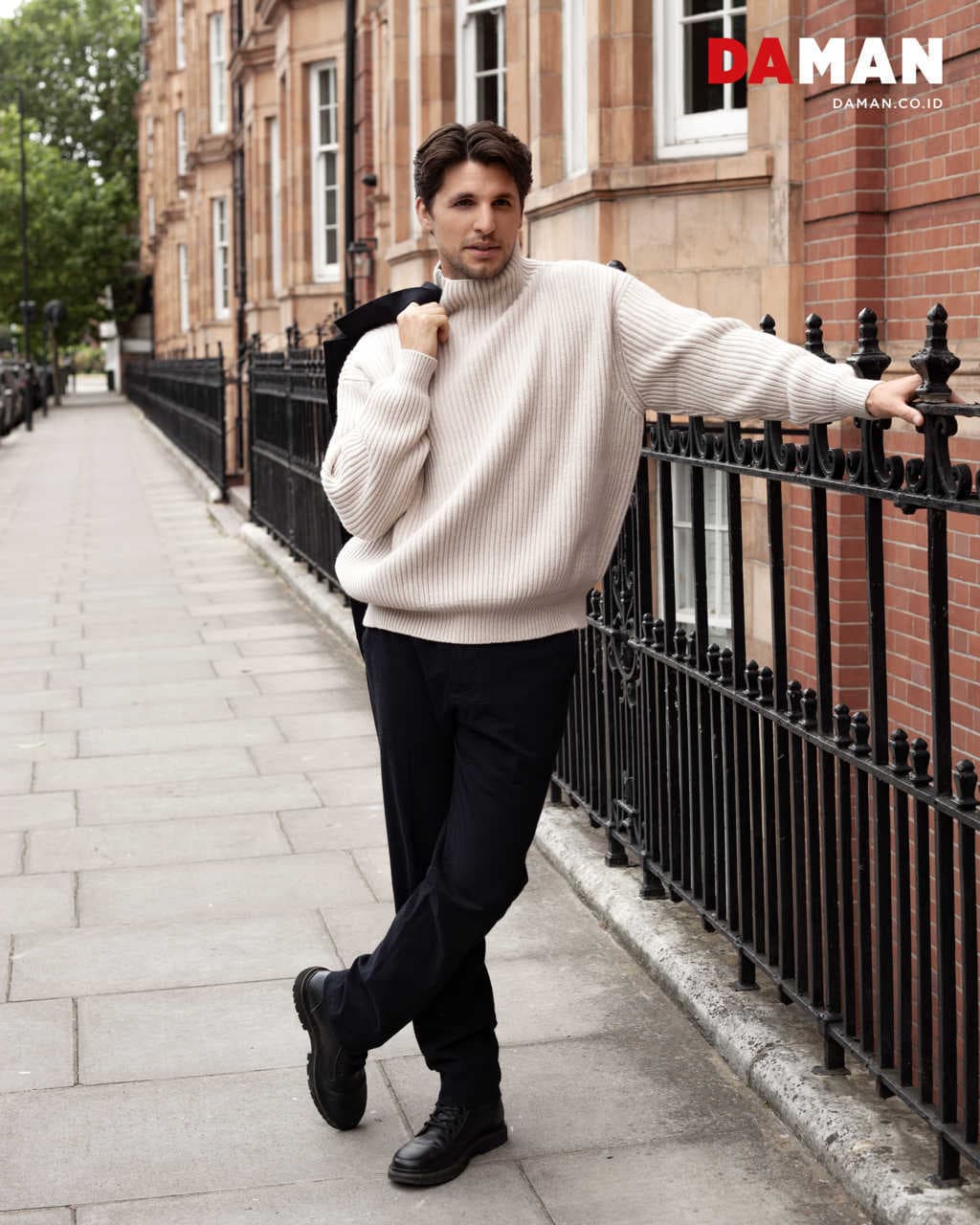
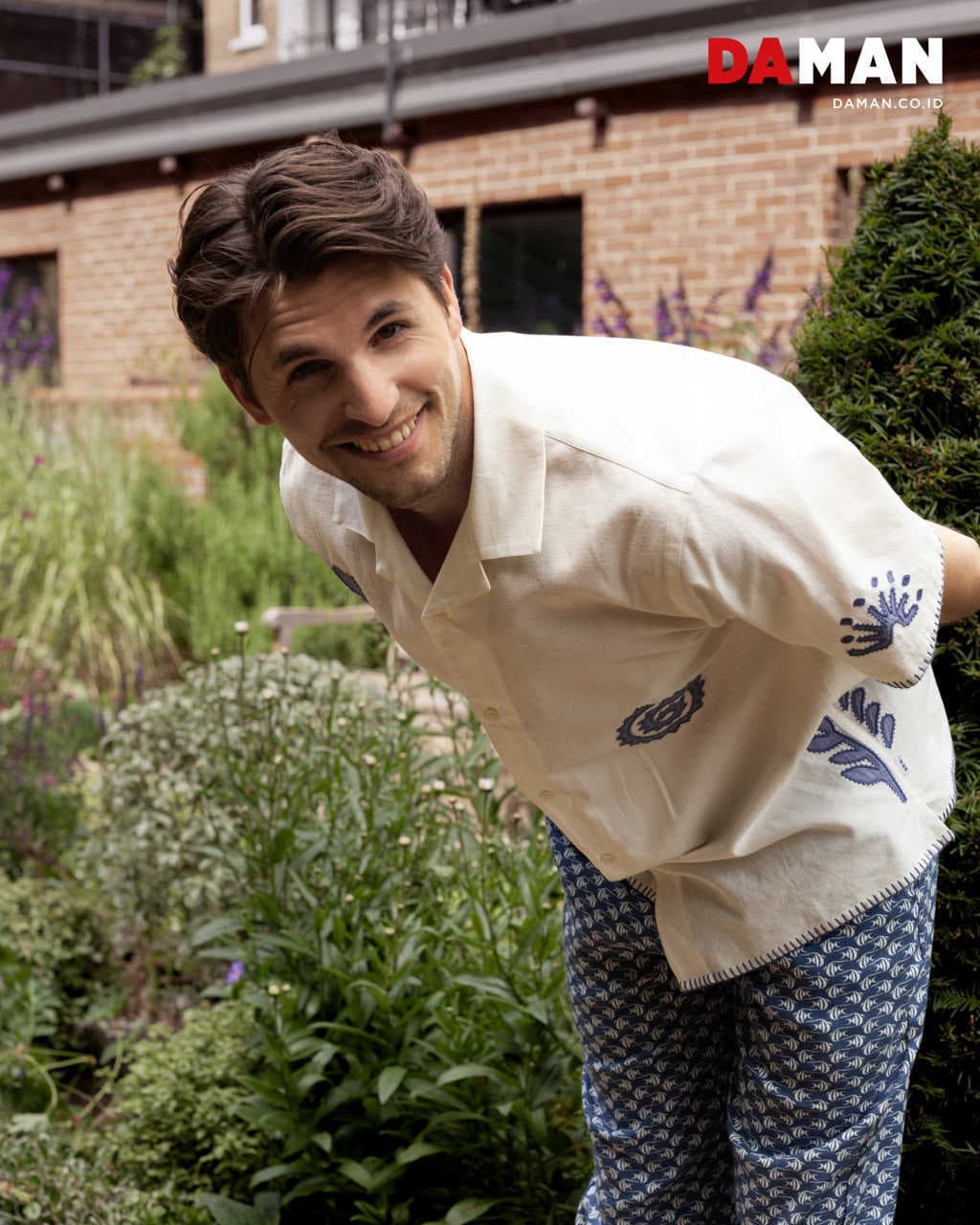
Photography Ronald Liem
Styling Alexandra Jordan
Model Jack Parr
Location London, England