


Through measured growth and an unrelenting passion, Sullivan Jones has carved his path through Hollywood, tackling every role as they come while keeping the spirit of his craft as his core

Sullivan Jones’ journey in acting feels as richly layered as the characters he portrays. Inspired early on by his father, who had a passion for acting but didn’t pursue it due to limited opportunities for African American actors at the time, Jones found himself drawn to the stage. His dedication to the craft has led him from college theater to a career in television and film, earning him roles that resonate deeply, such as his portrayal of legendary boxer Muhammad Ali in “Big George Foreman” and his role in the series “Interior Chinatown.” While Jones’ path hasn’t been one of rapid ascent, he embraces slow, deliberate growth, defining his success through practice and refinement rather than accolades. As he reflects, “I always had faith I’d be able to carve out a career in this profession, but I don’t think I anticipated how much of a slow burn it would be.” This is Jones’ story as told to DA MAN…
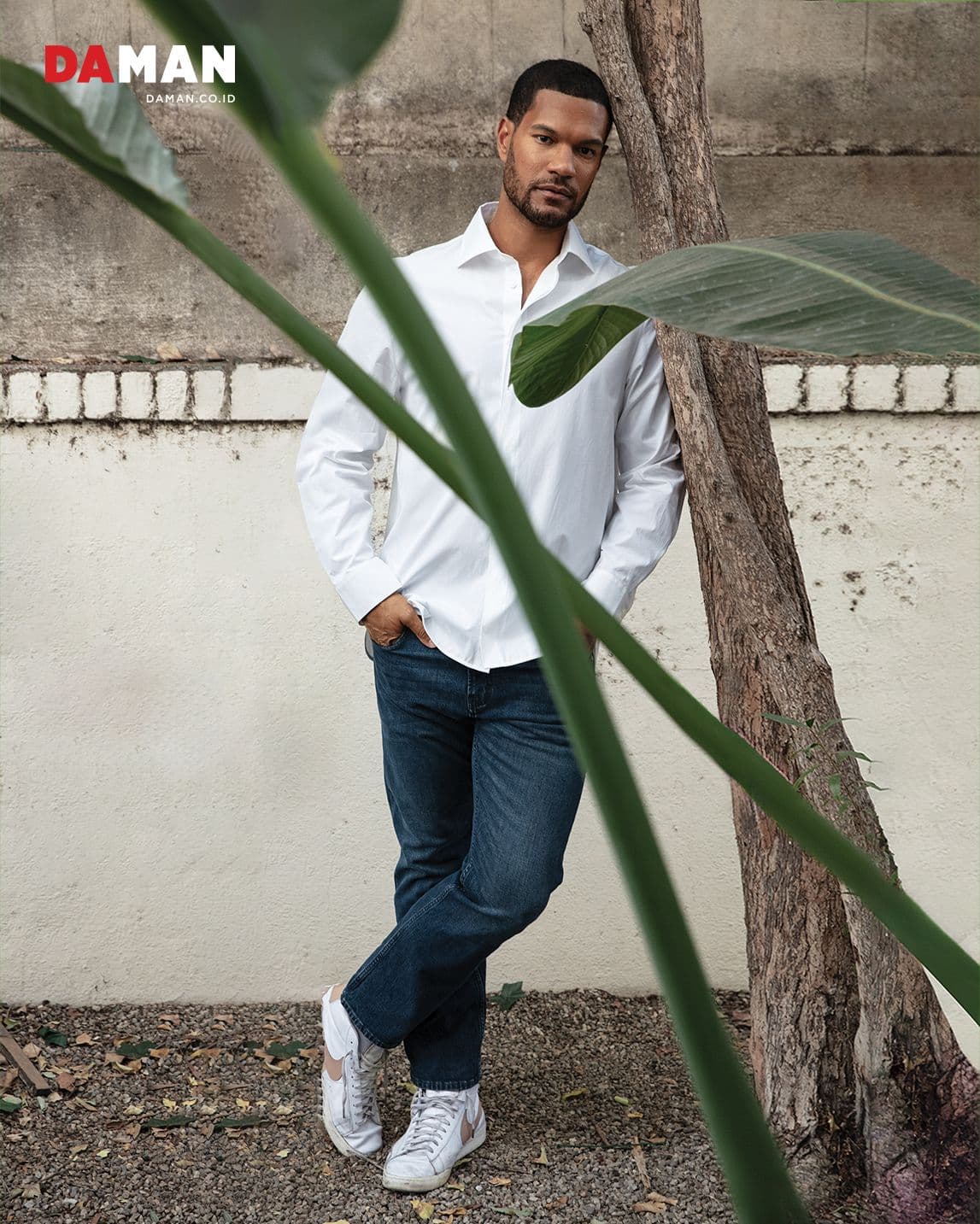
DAMAN: How has your experience in theater shaped your work in film and television?
Sullivan Jones: There’s some overlap but, for the most part, I don’t think acting on stage does much to prepare you for working in film and television. Working in TV or film and working in theater is like the difference between driving on a racetrack and taking a road trip across the country. In both scenarios you’re driving a car, but aside from that, the two experiences differ dramatically. I love working in theater because it’s a slow process: you get to rehearse for a few weeks, you get to know your castmates, you get to warm up to the character and the story. Except in some rare cases, none of that flies when you’re working in TV and film. It’s fast and furious, and you have to show up and be ready to finalize your work on the same day that you start rehearsing it. Coming from the theater, that was a big learning curve for me.
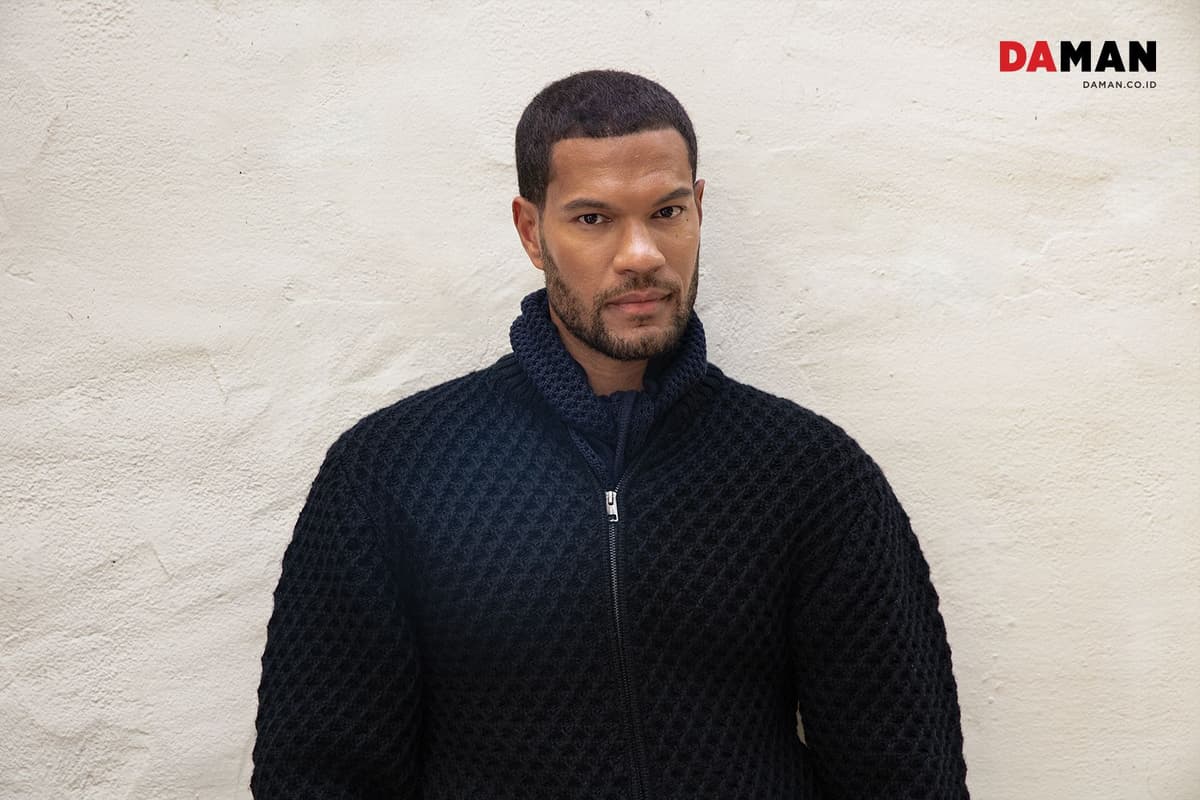
DA: With your growing success in film and television, how do you reflect on your journey from theater to screen?
SJ: I always had faith I’d be able to carve out a career in this profession, but I don’t think I anticipated how much of a slow burn it would be. I’ve never really had the 0-to-60 moment in my career; it’s been more like a series of small wins and failures over and over again. Like they say: the process is the seed and the fruit. I think just chipping away and continually trying to refine my work each time out sums up most of my journey.
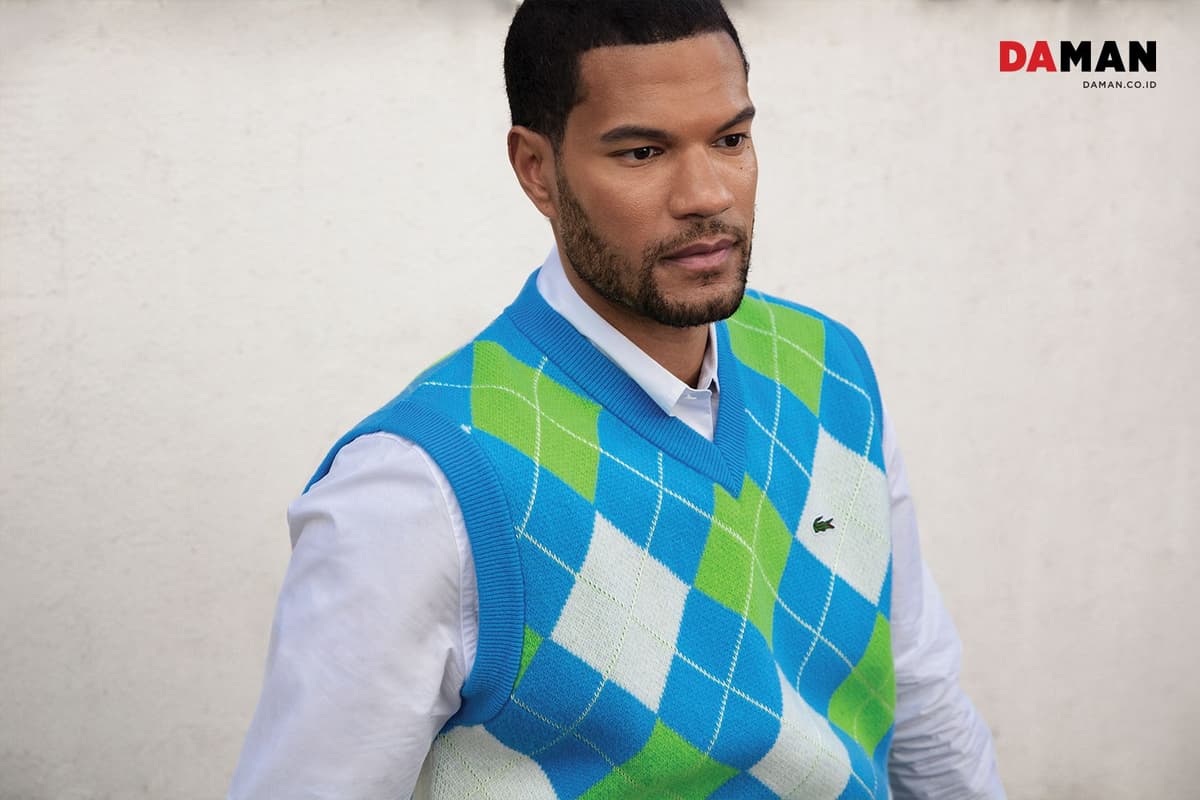
DA: Were there any pivotal moments or people who influenced your path along the way?
SJ: Too many to count. So many people have lifted me up and lighted my path. One of the most memorable moments was in college: after doing a scene from “A Raisin in the Sun,” my acting teacher, Chris Herald, pulled me aside and said something like, “This is a crazy industry and it isn’t fair to most people. But I think it’ll be good to you, so keep going.” Getting that vote of confidence early on from a mentor that I respected was a big push for me.
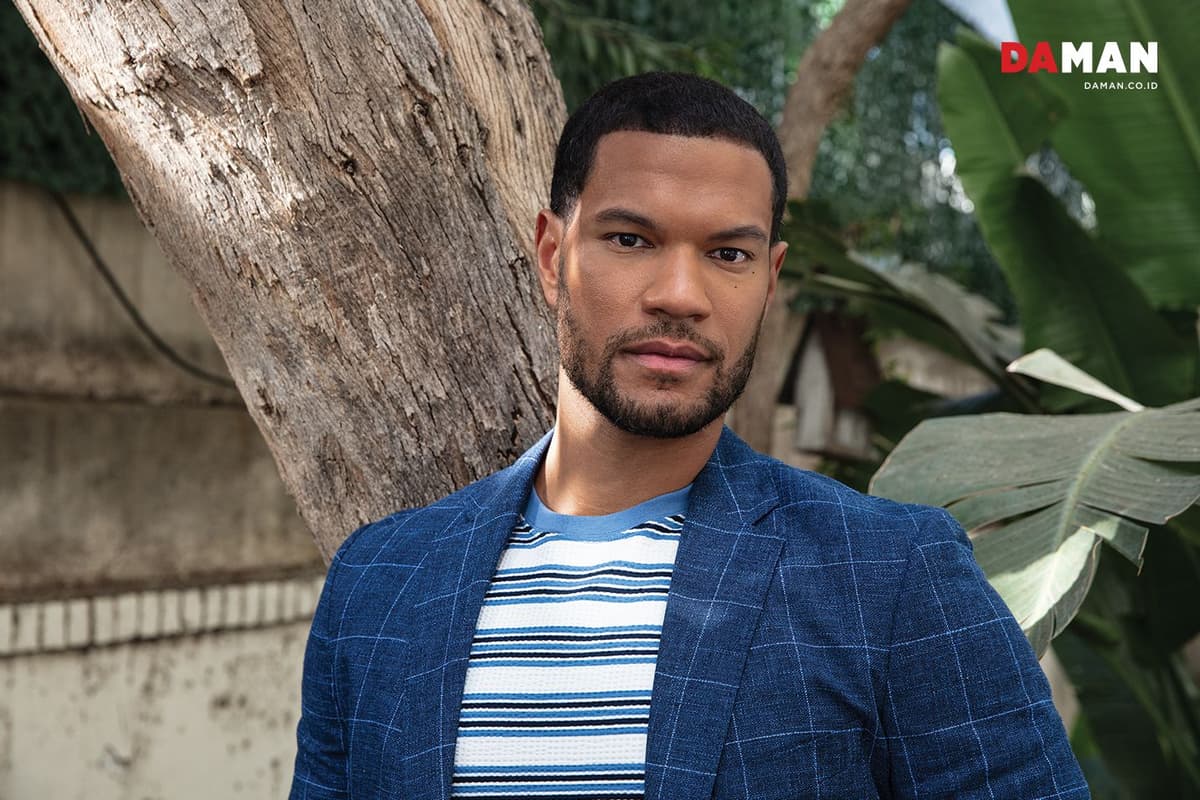
DA: Playing Muhammad Ali in “Big George Foreman” was quite an experience. How did you prepare for this role?
SJ: I actually got to play Ali twice: once in the Kemp Powers’ play “One Night in Miami…” and once in the movie “Big George Foreman.” I worked on the play in my mid 20s and the movie in my early 30s, so there was almost a 10-year span between both experiences. During that time I did everything I could to get ready: I had lunch with Ali’s daughter, Mayrum, who told me some great stories about her dad; I worked with the brilliant dialect coach Jerome Butler, who helped me find Ali’s voice; I worked with boxing coach Daryl Foster who trained Will Smith when he played Ali; I watched every Ali documentary I could find; I read both Johnathan Eig’s and David Remnick’s Muhammad Ali biographies. I tried to leave no stone unturned. It was a lot of work, but in many ways playing a real-life character is simpler than playing a fictional one because you have so many resources to draw from.
DA: Are there specific methods you use to understand and embody your characters?
SJ: More often than not, I have no clue why I’m doing what I’m doing. I like writer George Saunders’ definition of writing. He said: “Writing is intuition plus iteration.” You want to make something, so you start building it. Then you and your collaborators look at what you’re building and you say: “Okay, good start. Let’s add this, let’s move these around, let’s get rid of that.” You repeat that process again and again until you feel good about what you’ve made and want to share it. In very simple terms, that’s what acting feels like to me.

DA: You’re set to appear in “Interior Chinatown,” which explores themes of identity and representation in a unique setting. How did the show’s premise resonate with you personally, and what did you aim to bring to your role as Miles Turner?
SJ: There are some relationships I have where I feel like “I don’t want to be the person I’m expected to be in this relationship.: In a way, people cast us in their lives in the same way a director casts an actor in a movie. In every relationship someone is relying on you to fulfill a role in their life; they expect you to be the funny little brother or the nerdy classmate or the loyal friend or whatever they need you to be. The conflict comes when we don’t want to play the role we’re being asked to play. When I first read the story, I recognized in Miles the tediousness of being expected to play the same old trope over and over again. In the show, Miles is seeking to break out of that mold and so, in a meta way, I’m also getting to break the mold in my own work.
DA: What was it like working within the show’s layered, satirical style and collaborating with creators like Charles Yu and Taika Waititi?
SJ: So much fun. As soon as I saw that Taika was involved I felt like I had a good sense of what the tone of the show would be. For my audition, before starting the scene, I strutted into the frame in slow motion, slowly peeled off my sunglasses, and smoldered into the camera, all of which I underscored to the song “Bad Boys,” which is the theme song to the show “Cops.: I just wanted to show whoever was watching that I had a strong point of view about the tone of the show and I wasn’t afraid to lean into it. Charlie Yu later told me that my slow-motion intro made my audition tape stand out and was a big part of why I ultimately got cast. Being asked to bring that kind of playfulness to the role made working with Charlie and Taika easily one of the most fun times I’ve had on a set.
DA: Is there a particular piece of feedback from a fan or viewer about any of your characters that has stuck with you?
SJ: I played Donald Glover’s therapist in an episode of the show “Atlanta” and shortly after the episode aired a young guy came up to me in New York and told me he’d just seen the episode and it gave him the nudge he needed to finally go to therapy. That warmed my heart. It’s always a trip to see the effects of something you’ve worked on rippling out into real people’s lives.
I think the best you can do is try to fail and learn and refine the skills that are important to you.
DA: What does success mean to you at this stage in your career? And has that definition changed over time?
SJ: I don’t like measuring success in a win-or-lose kind of way. If you’re defining success by what you’ve achieved—say, I want to win a Tony, I want to star in a movie, etc.—you either won’t achieve it and you’ll be disappointed or you achieve it and inevitably realize you actually want more, that it actually wasn’t enough. What’s more durable is your practice, your process, whatever you want to call it. I love the saying “the practice is the seed and the fruit.” I think the best you can do is try to fail and learn and refine the skills that are important to you.
DA: What advice would you give to someone just starting in the industry who may be looking to follow a similar path as yours?
SJ: Spend more energy caring for the things in your life that are worth caring for. I think that’s what being a human boils down to for me. Spend less energy caring about and more energy caring for.
Spend more energy caring for the things in your life that are worth caring for. I think that’s what being a human boil down to for me.
DA: And lastly, do you see yourself heading next?
SJ: I’d love to produce. I’m actually working on helping a friend get his movie made. It’s one of the best scripts I’ve ever read so stay tuned.
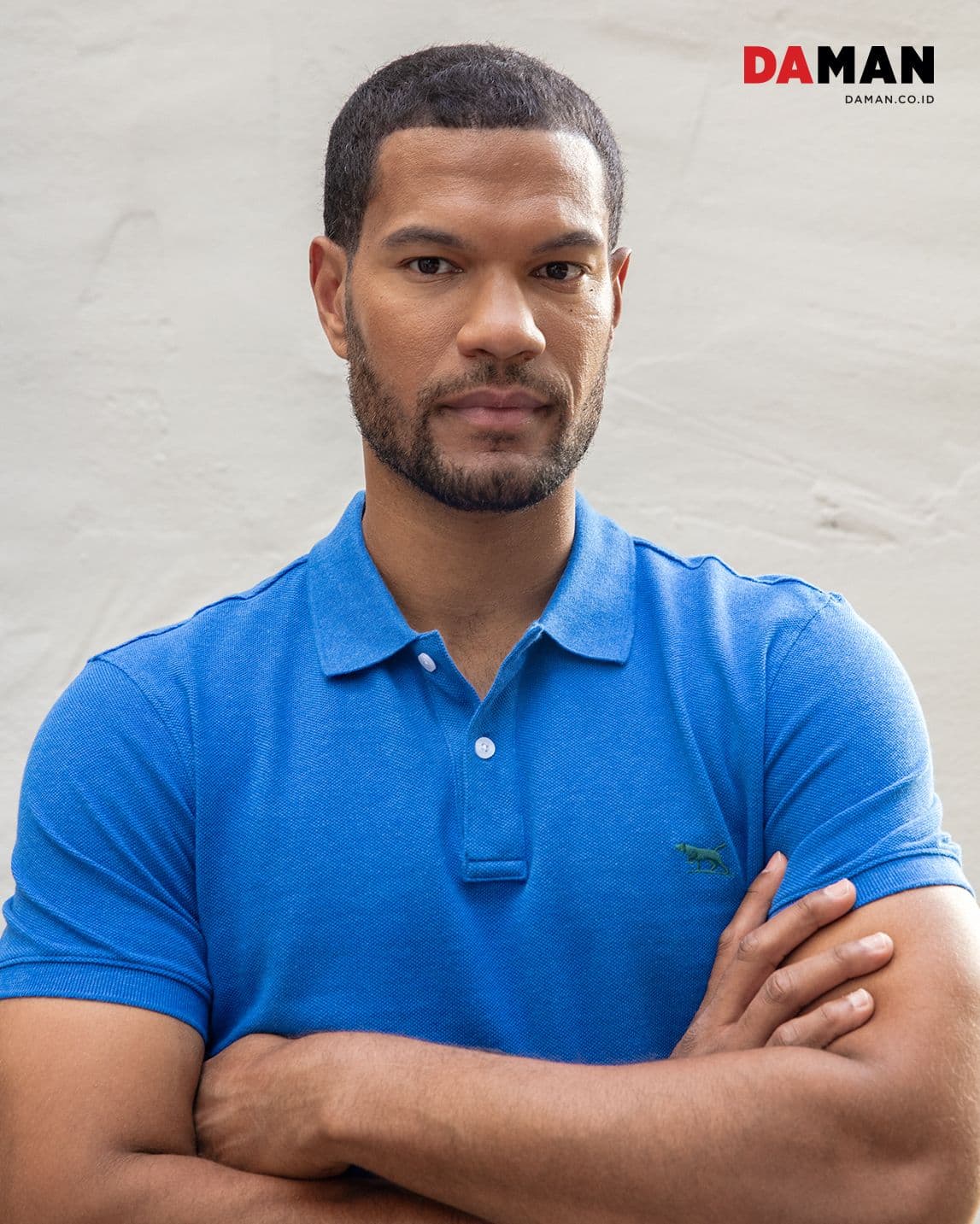
Photography @lensbymi
Styling Kimberly Yvette Goodnight
Grooming Jamie Richmond for Exclusive Artists using Kat Burki and American Crew