


For its 145th anniversary, Seiko turns to its archive and Edo purple, finding a surprisingly contemporary expression of progress in designs that refuse to leave the past behind
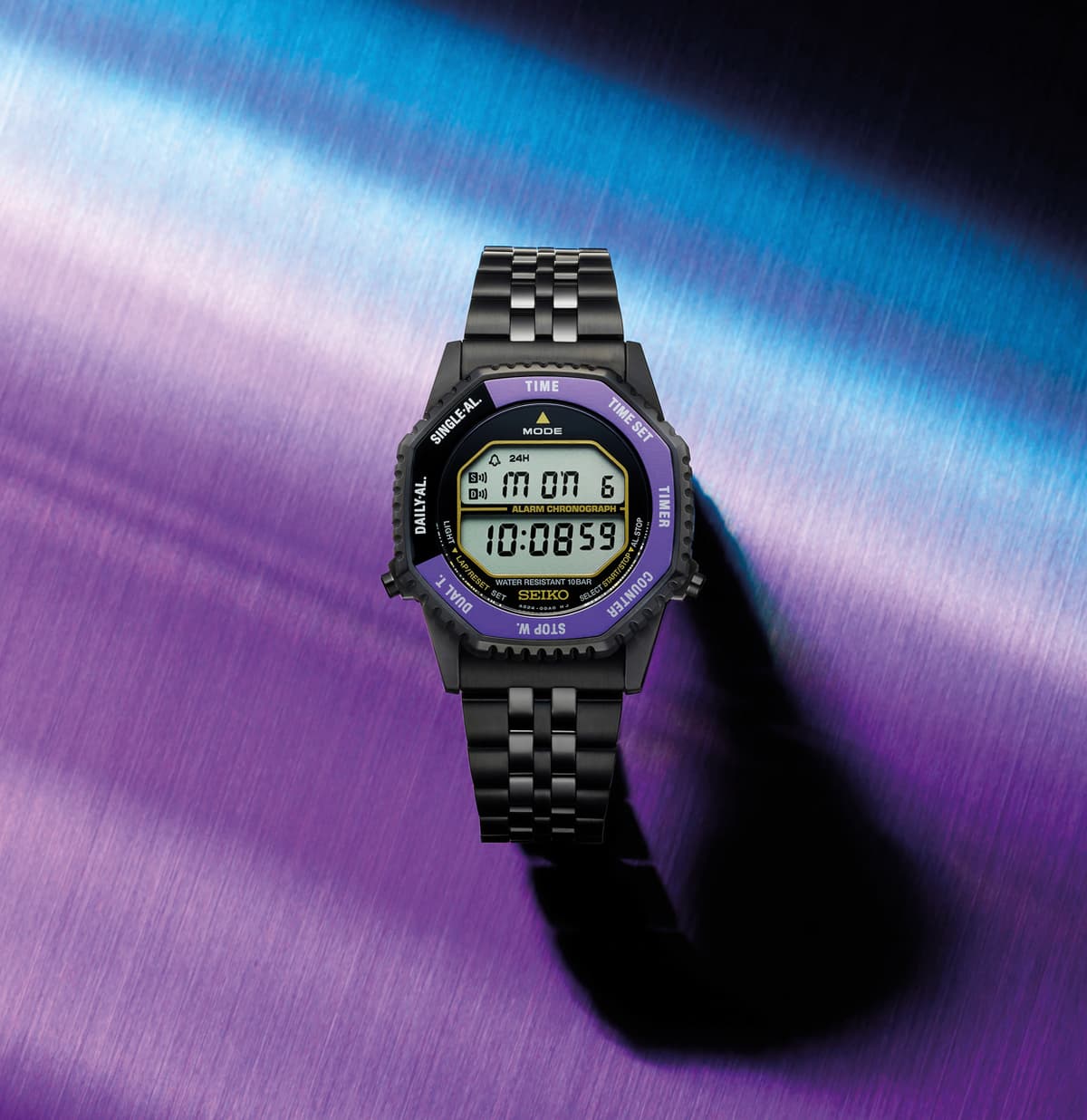
The way back to the future, in Seiko’s case, starts with a rotary switch.
First introduced in 1982 and now revived for the brand’s 145th anniversary, the Seiko Selection digital quartz watch known among enthusiasts as the “Rotocall” dispenses with the familiar crown-and-pusher formula in favor of a distinctive rotary control. Its all-black case, purple rotary switch and gold-colored markings give the retro-futurist design a contemporary edge.
Yet the Rotocall is more than an engaging archival curiosity. It sets the tone for Seiko’s 145th anniversary collection, which looks across the company’s history while celebrating a philosophy built around moving forward. The six-watch lineup revisits familiar ideas, bringing them together through a common visual language of Edo purple and gold-colored accents.
That tension has long been part of Seiko’s story, from its pioneering quartz watchmaking to the GPS Solar Astron. For its 145th anniversary, the company has opened its archive and found that progress can sometimes begin by turning back.
Edo purple gives that retrospective impulse a distinctly Japanese character. Purple has a long history in Japan as a color associated with rank and privilege, with certain shades traditionally considered off-limits to commoners. During the Edo period, however, it became part of popular urban culture, closely associated with the headband worn by Sukeroku in the classic kabuki play “Sukeroku Yukari no Edozakura.”
That shift from exclusivity to popular style makes Edo purple an apt choice for Seiko. Founded in 1881, when Kintaro Hattori opened a shop in Tokyo’s Ginza district selling and repairing timepieces, the company grew alongside the city, repeatedly pushing watchmaking into new territory.
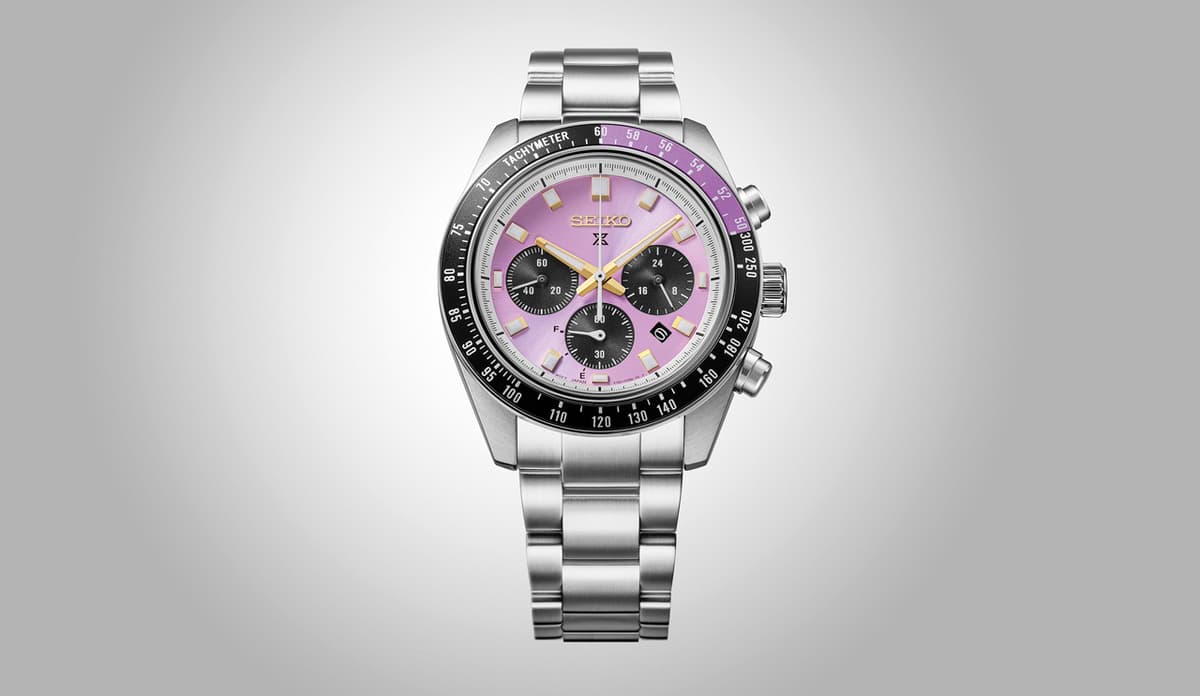
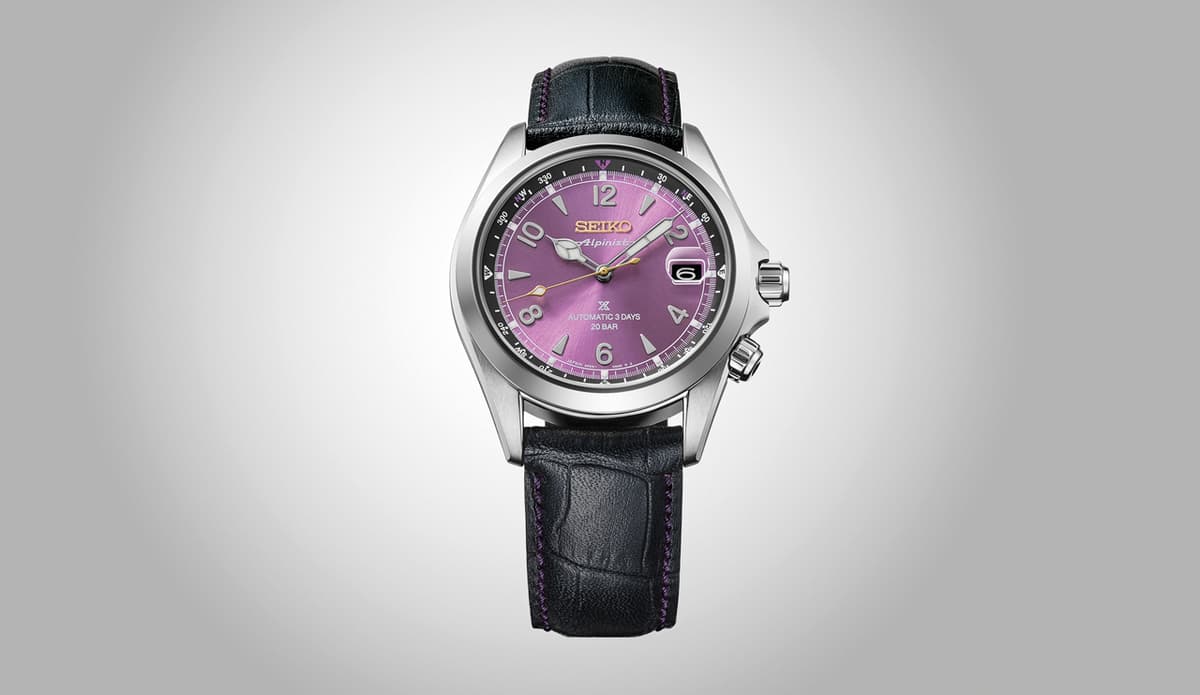
The anniversary watches trace that history without attempting to reproduce it wholesale. The Prospex Alpinist reaches back to 1959, when the original Laurel Alpinist became Seiko’s first sports watch. Its wedge-shaped indexes, Arabic numerals and compass bezel retain the practical character of that early design, while a purple dial and matching strap stitching bring it into the present. The Prospex Speedtimer takes a different route into the archive. Its solar chronograph draws on the visual language of Seiko’s Speedtimer models from the 1960s and 1970s. Here, purple becomes a fresh layer on a familiar sports-timing formula rather than historical reproduction.
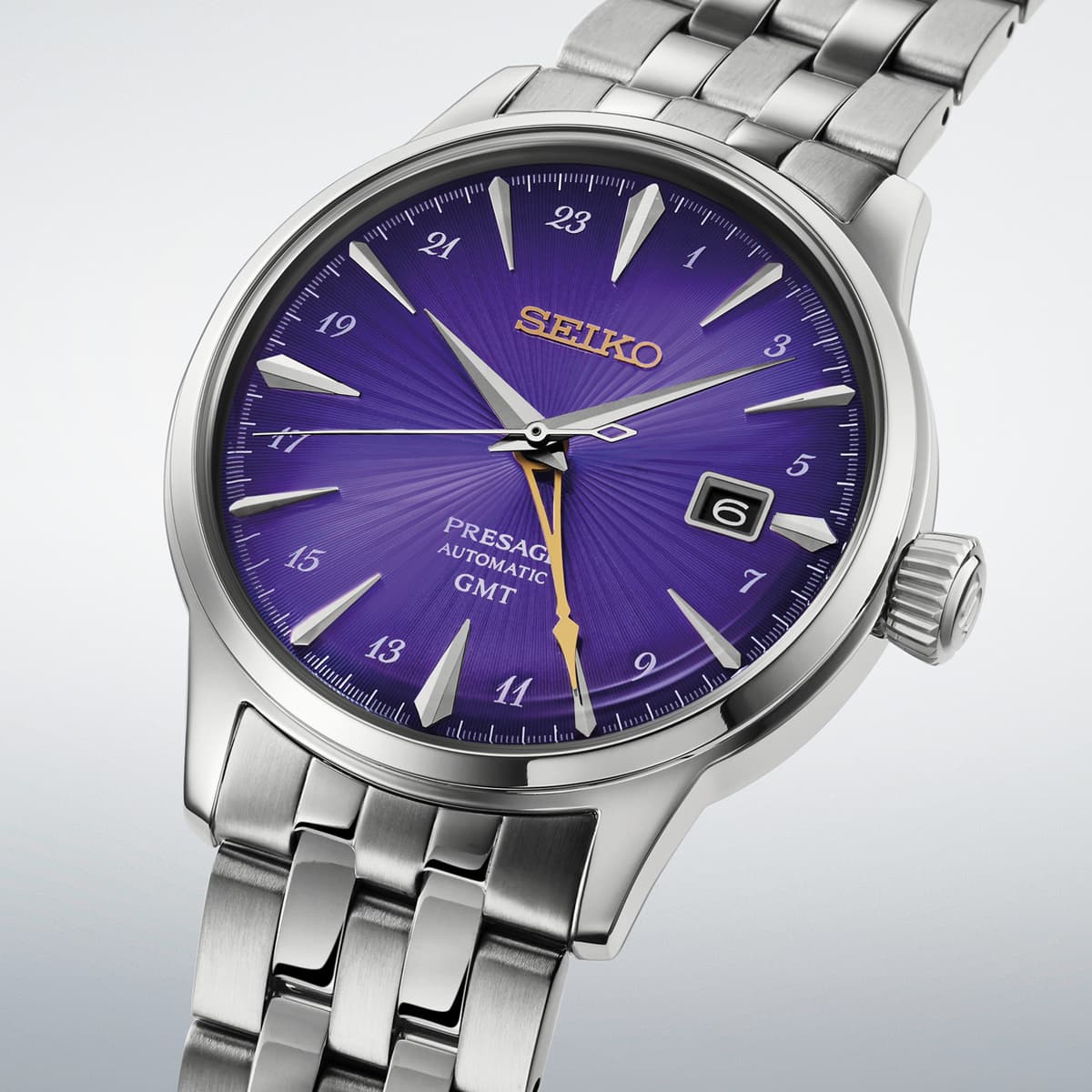
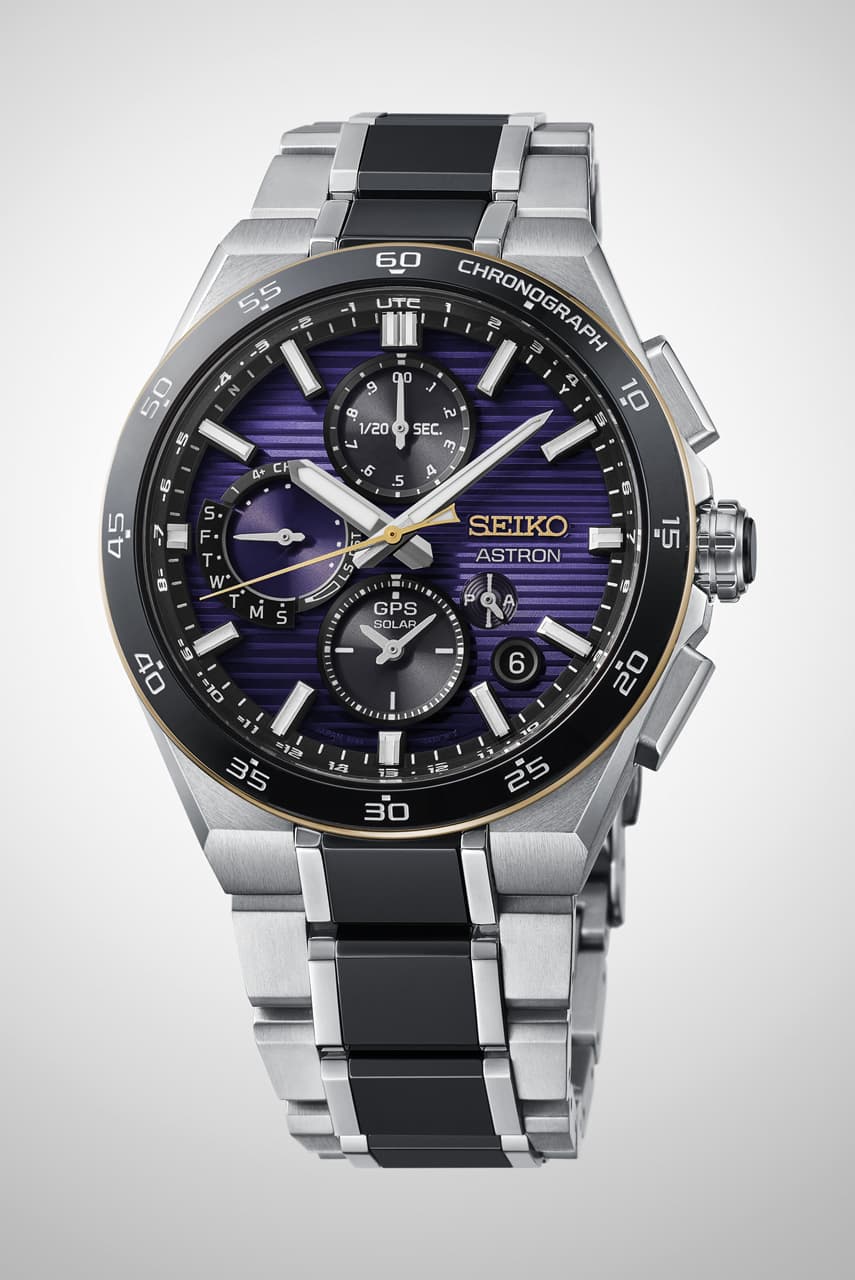
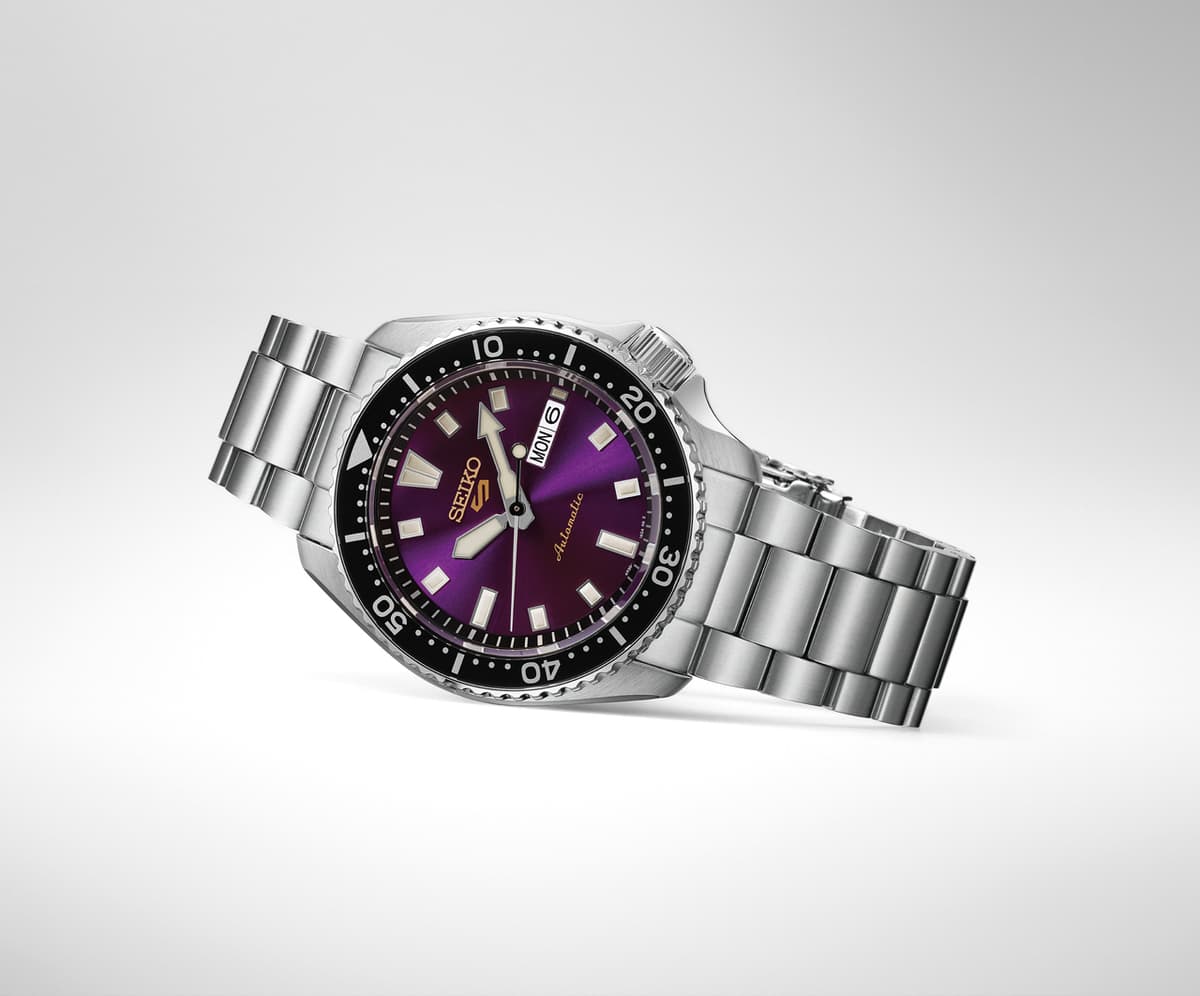
Then comes the Astron, the collection’s clearest reminder that looking backward does not mean abandoning innovation. Its GPS-controlled movement can adjust the time and time zone, while its new purple dial draws inspiration from the changing colors of the sky at dusk. Elsewhere, the Presage Cocktail Time translates Edo purple into a richer register, inspired by the “Edo Murasaki” cocktail created by Hisashi Kishi of Tokyo’s STAR BAR. The Seiko 5 Sports, meanwhile, applies the color to the familiar SKX silhouette, adding gold-colored accents to soften its utilitarian roots.
Taken together, the six watches suggest that progress is not necessarily about replacing what came before. Sometimes it means identifying the ideas that still have something to say, then giving them enough distance to become new again.
The Rotocall makes that philosophy almost literal. Turn its purple switch and a piece of 1982 comes alive again, this time as part of a collection looking toward Seiko’s next chapter. At 145, perhaps moving one step ahead occasionally means knowing when to turn back.
Text Joezer Mandagi