


MASTER OF CHANGE. Once again, Jason Basmajian steers a major fashion house in a new direction. This season, it’s Cerruti 1881, which debuts its denim and sportswear lines
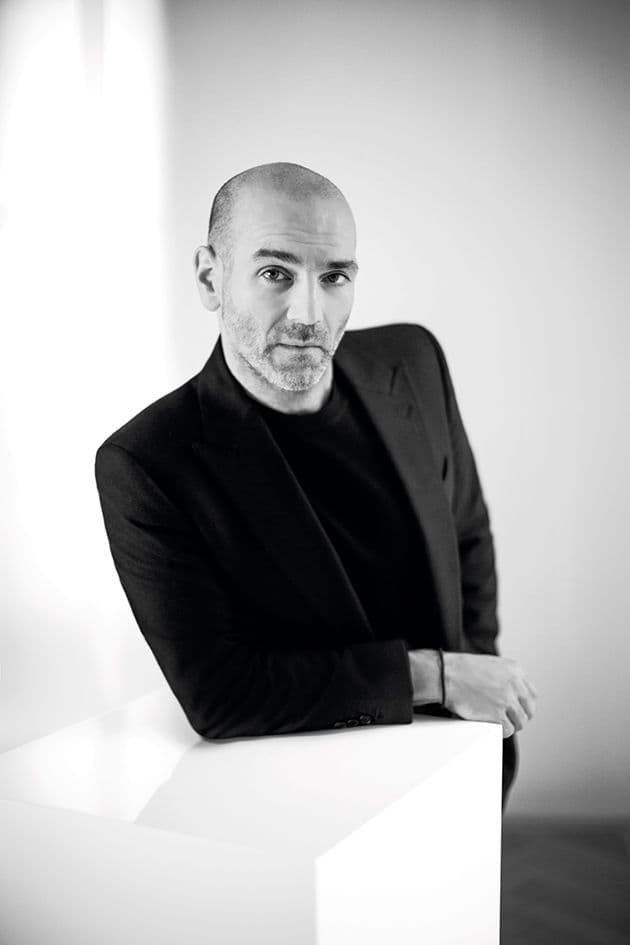
Years ago, Jason Basmajian headed Italian fashion brand Brioni before creating a new chapter for one of the most celebrated institutions on London’s Savile Row: Gieves & Hawkes. Now, for the spring and summer of 2017, this maestro of precise tailoring and classical cuts delves into casual styling, sportswear and denim—even denim-on-denim—for Cerruti 1881.
At the same time, Basmajian masterfully weaves this new approach with the Italian fashion house’s rich heritage. The result, as seen on the runways and described by the creative director himself, is a feast for the senses.
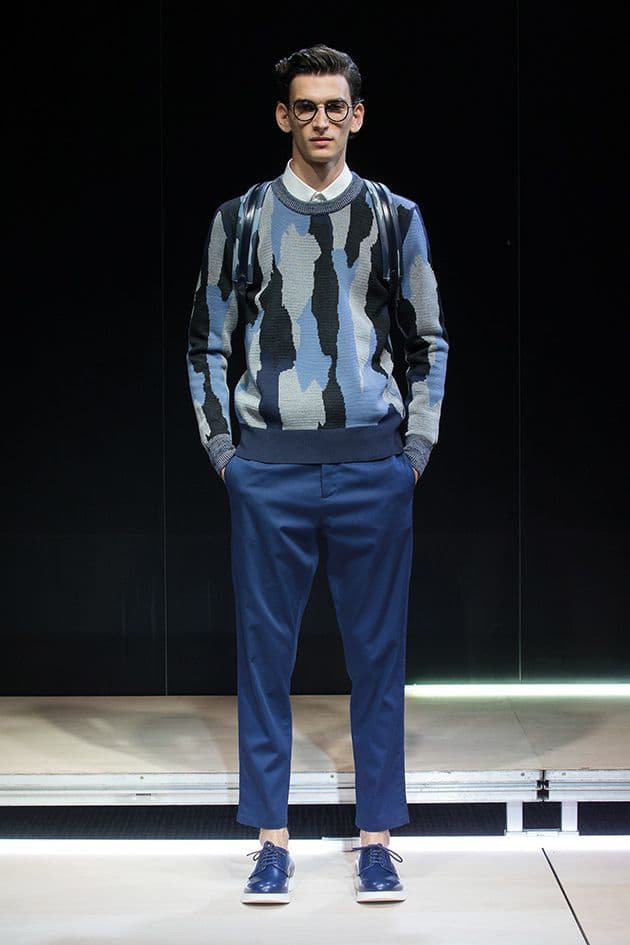
The “Camo-Foliage” pattern on a sweater and pants
DA MAN: Cerruti 1881’s spring/summer ’17 collection seems to comprise a wide range of styles. Do you have a single, unifying theme that runs through every look?
Jason Basmajian: The theme of the spring/summer ’17 collection is more about patterns, textures and an urban mood bringing strong graphic elements into exclusive jacquard fabrics. There’s a “Camo-Foliage” pattern that was inspired by tree bark and nature, and which has been expressed across several fabrications and accessories. The collection is relaxed with more generous cuts and a soft color palette. An exclusive, natural stretch Cerruti cool-touch wool fabric is also across the collection in dusters, military shirts, cargo pants and suits.
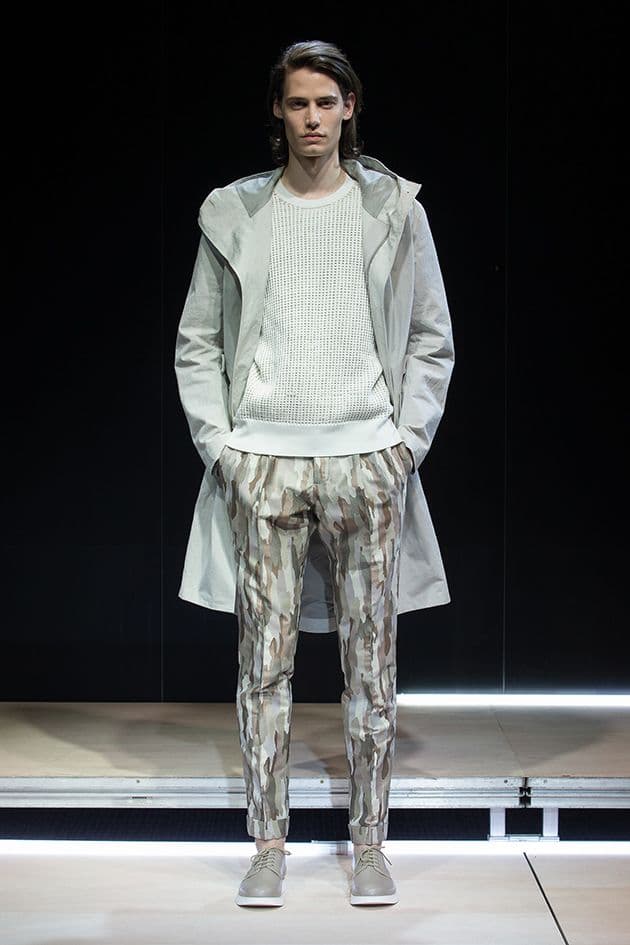
The “Camo-Foliage” pattern on a sweater and pants
DA MAN: With a collection comprising more denim pieces and fewer suits, among others, what message do you want to get across about Cerruti 1881?
Jason Basmajian: The spring/summer ’17 collection features the launch of the denim and sportswear part of the Cerruti universe. We wanted to celebrate the masculine and timeless elegance of the brand, mixing sportswear and tailoring. We took many inspirations from the fabric library at Lanificio Fratelli Cerruti in Biella as well as our previous cinematic collaborations. We would like to balance cool and chic, elegant and sport.
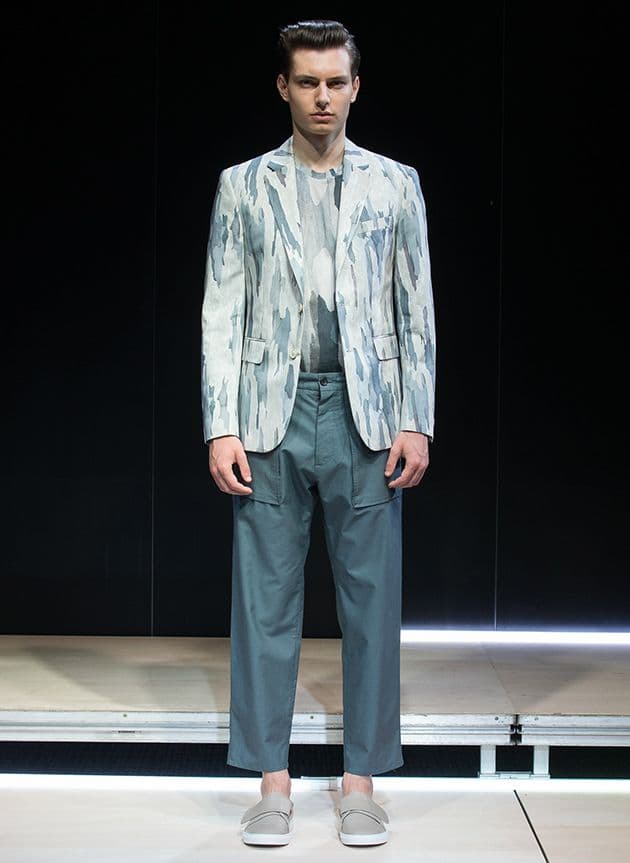
The “Camo-Foliage” pattern on a blazer and T-shirt
DA MAN: Workwear accents, such as the big pockets in the suit pants, seem to be a pretty daring addition in your collection. Does this represent the present or the future of menswear?
Jason Basmajian: I feel it’s about clothes that are familiar and comfortable. Details and proportions can add a new perspective on favorite wardrobe pieces.
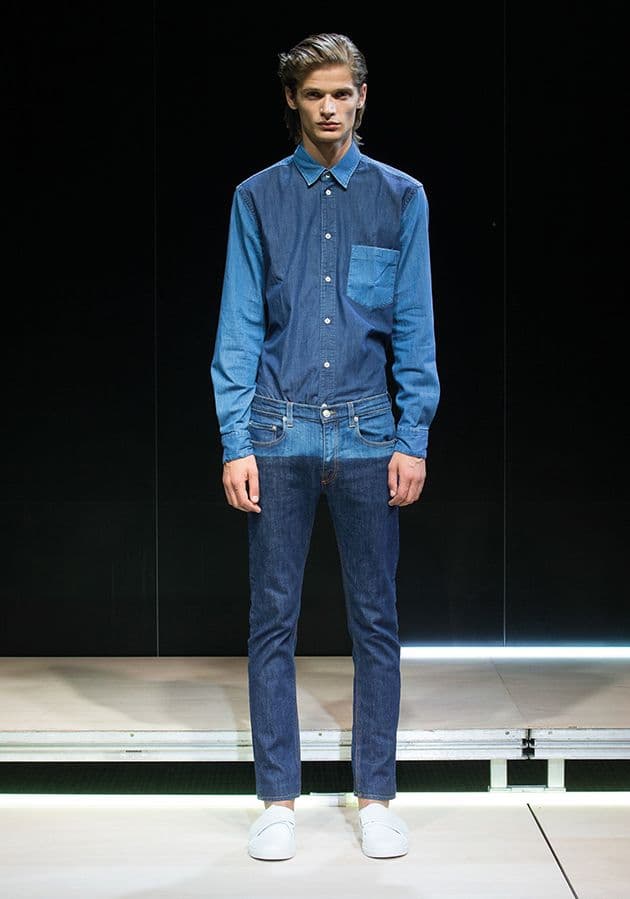
Models wearing casual pieces, including the denim looks
DA MAN: New variants of high-quality fabrics are said to be the “hero” of this season. In what ways are the fabrics in this collection different from what we saw in the fall/winter collection last year?
Jason Basmajian: Cerruti was born from the fabrics of the Lanificio Fratelli Cerruti textile mill in Biella, Italy. The fabrics have always been essential for the maison. This season the difference lies in the colors: dusty pastels, mineral shades and neutrals. Meanwhile, patterns come in subtle textures, including the “Camo-Foliage” jacquard. The cuts are soft, relaxed with more draping, volume and movement to the fabric. We would like to highlight the contrast of tailoring and fluidity.
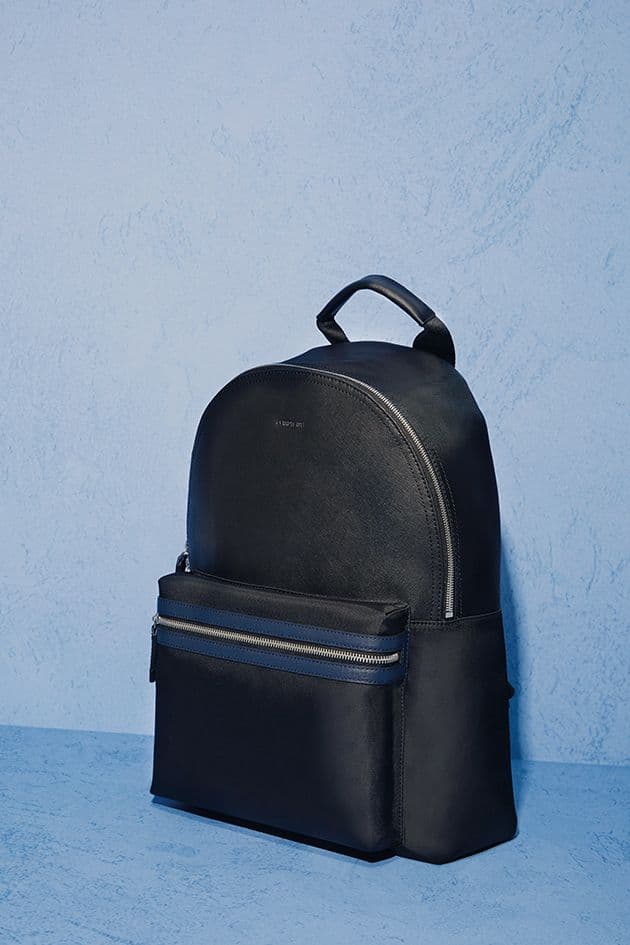
A backpack from the season’s collection
DA MAN: It was said that Mr. Nino Cerruti himself gave you access to his exclusive fabrics for this particular spring/summer collection. Could you tell us more about this ?
Jason Basmajian: Mr. Cerruti gives me access to the Cerruti archive regularly. The first time was when I was nominated as chief creative officer. It is very fascinating to see his extensive knowledge about fashion. We are developing exclusive fabrics between the studio and the mill for the collections.
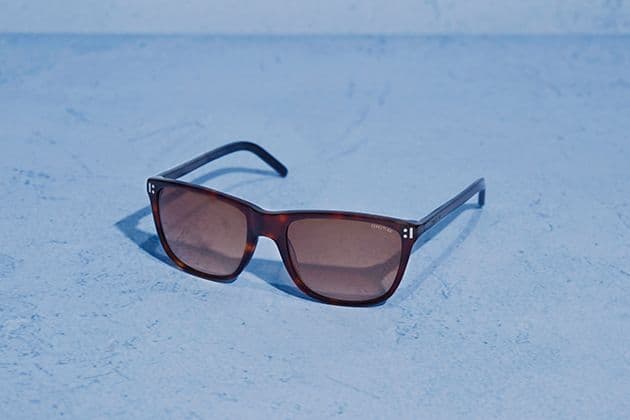
Sunglasses from the season’s collection
DA MAN: The “Camo-Foliage” pattern is definitely eye-catching. Is this part of the exclusive fabrics?
Jason Basmajian: The “Camo-Foliage” pattern was developed in house. It has been woven in jacquard for the outerwear, in wool for the tailoring and in cotton poplin for the shirt. They are all exclusive.
DA MAN: Also exciting is the denim collection. What defines the denim of Cerruti 1881?
Jason Basmajian: For the first denim collection integrated to the Cerruti universe, we wanted to do it strongly. During the spring/summer ’17 fashion week, we presented different denim-on-denim looks in various colors to highlight this part of the collection. The whole denim concept is revisited in classic pieces, with or without light washing out, as well as relaxed and printed pieces. It is important to offer to our customer the possibility to dress in different ways—formal, but sporty and chic too. The cuts are simple but it’s all about fit and detail.

Watches from the season’s collection
DA MAN: In your opinion, what is it that differentiates Cerruti 1881 and its creations from other top Italian sartorial brands?
Jason Basmajian: Cerruti has always been a legendary and historical luxury house. Mr. Cerruti has contributed a lot to the development of our menswear tailoring and style that is still visible today. This house has always been visionary. Cerruti has a beautiful heritage, a passion for cuts, exclusive fabrics, savoir faire and elegant simplicity. It is a brand that has always bridged sportswear and tailoring.
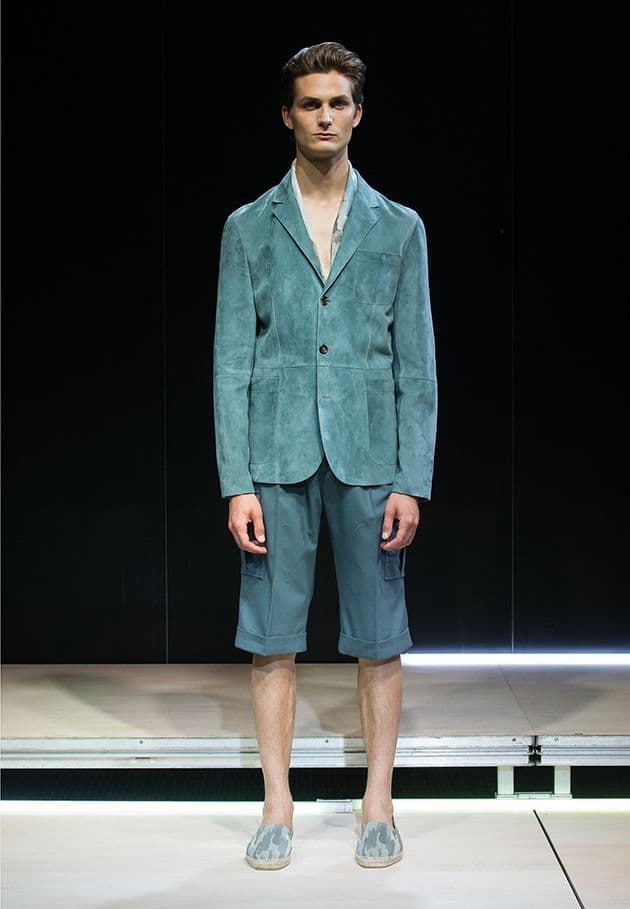
Models wearing casual pieces, including the denim looks
DA MAN: In the future, will Cerruti 1881 continue this more casual approach to styling for men or is it only for this season?
Jason Basmajian: For me, the Cerruti man is just effortlessly chic and stylish; he is never contrived or trendy. I believe in the mix of formal and informal. For me, the essentials are quality and cut. The Cerruti man wants to look and feel good but not think too much about it. In this way, we will continue to include casual approach to styling for the collections.
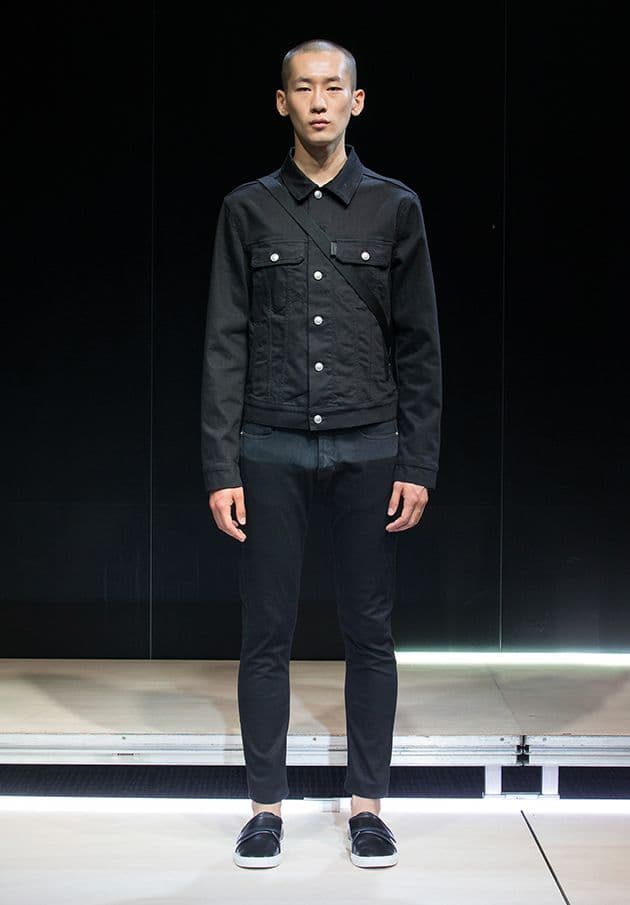
Models wearing casual pieces, including the denim looks
DA MAN: 2017 marks the 50th anniversary of the house. Are there any big celebrations being planned?
Jason Basmajian: We have started the 50th anniversary celebrations during Paris Men’s Fashion week with our fall/winter ’17 show at Place Vendôme (Paris). We presented five decades of Cerruti style, with research focused on garments and photographic archives. The result is modern, cinematic and strong. We also had the chance to celebrate this occasion with friends of the house: Lambert Wilson, Paolo Roversi and Atesh Salih—who had also worked with Mr. Cerruti in the past—and Andrés Velencoso, the face of Cerruti.
A limited edition watch and sunglasses collection marking our 50th anniversary will also be proposed with the fall/winter ’17 collection. We are also preparing a short film about those 50 years that will be presented in June. And we are working on the reopening of the flagship store in Paris. We currently have a beautiful venue at 51 Boulevard Haussmann presenting Cerruti’s new store design and concept.
DA MAN: What can you tell us about the brand’s global presence? Will we see any changes in terms of sales strategy or brand awareness?
Jason Basmajian: We are looking at new flagship stores in Paris and London, and we’re working with partners from around the world like Harrods and Galeries Lafayette.
DA MAN: In regards to your background, what did you bring from your previous experience at Gieves & Hawkes to Cerruti 1881?
Jason Basmajian: Gieves & Hawkes and Cerruti 1881 are both legendary, each with a rich history and tradition. I have learnt at Gieves & Hawkes that the challenge is to respect and protect this heritage. We have to deal between the past and the future. At the same time, we have a responsibility to be visionary, to keep innovating and modernizing the house. And in this case, Cerruti 1881 has always had it in its DNA.
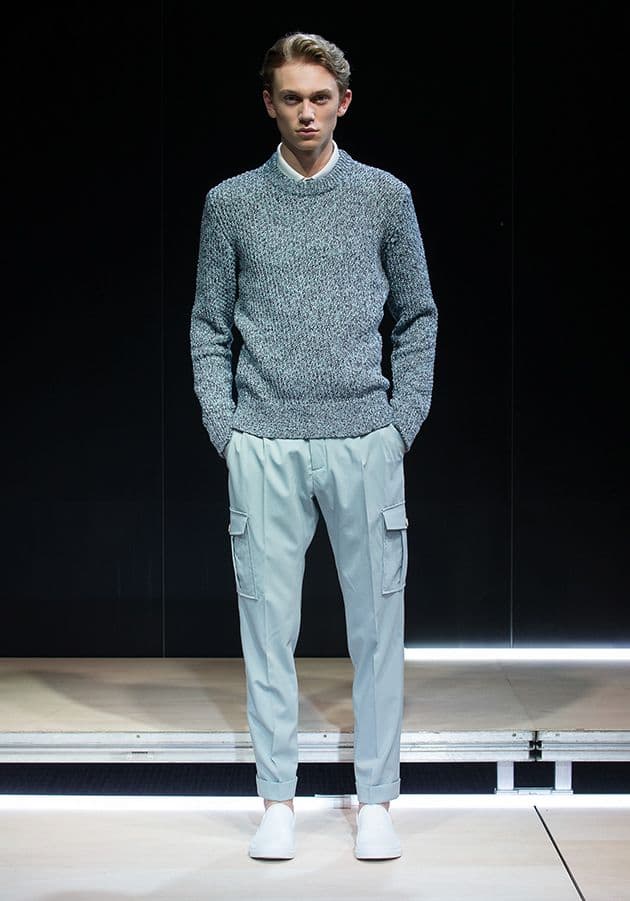
Models wearing casual pieces, including the denim looks
DA MAN: Where do you begin when you design a new look? Is it the fabrics, color, silhouette or style?
Jason Basmajian: I start each collection with a mood or inspiration often drawn from art, architecture or film. From there, we develop the color palette and start fabric research. Design comes next and then we start working on the first prototypes which then lead to the second prototypes, fitting and final samples. I also have a general style expression in mind from the inception.
DA MAN: Given your extensive experience in the business, what is the most important lesson you’ve learned so far?
Jason Basmajian: It is important to understand where a brand comes from to move forward. The creativity and business sides need to work together.
DA MAN: Last but not least, what are your men’s styling pet peeves?
Jason Basmajian: Poorly tailored or ill-fitting clothes, and bad shoes. Men often overlook how important accessories are.