


For 130 years, the Louis Vuitton Monogram has moved between heritage and modernity, evolving from a functional solution into one of fashion’s most enduring visual codes
Before logos were spoken, they were, first and foremost, recognized. The Louis Vuitton Monogram is one of those rare symbols that allows the brand to be identified instantly, no explanation required. It functions as visual shorthand for the house itself, where identity is understood before it is named.
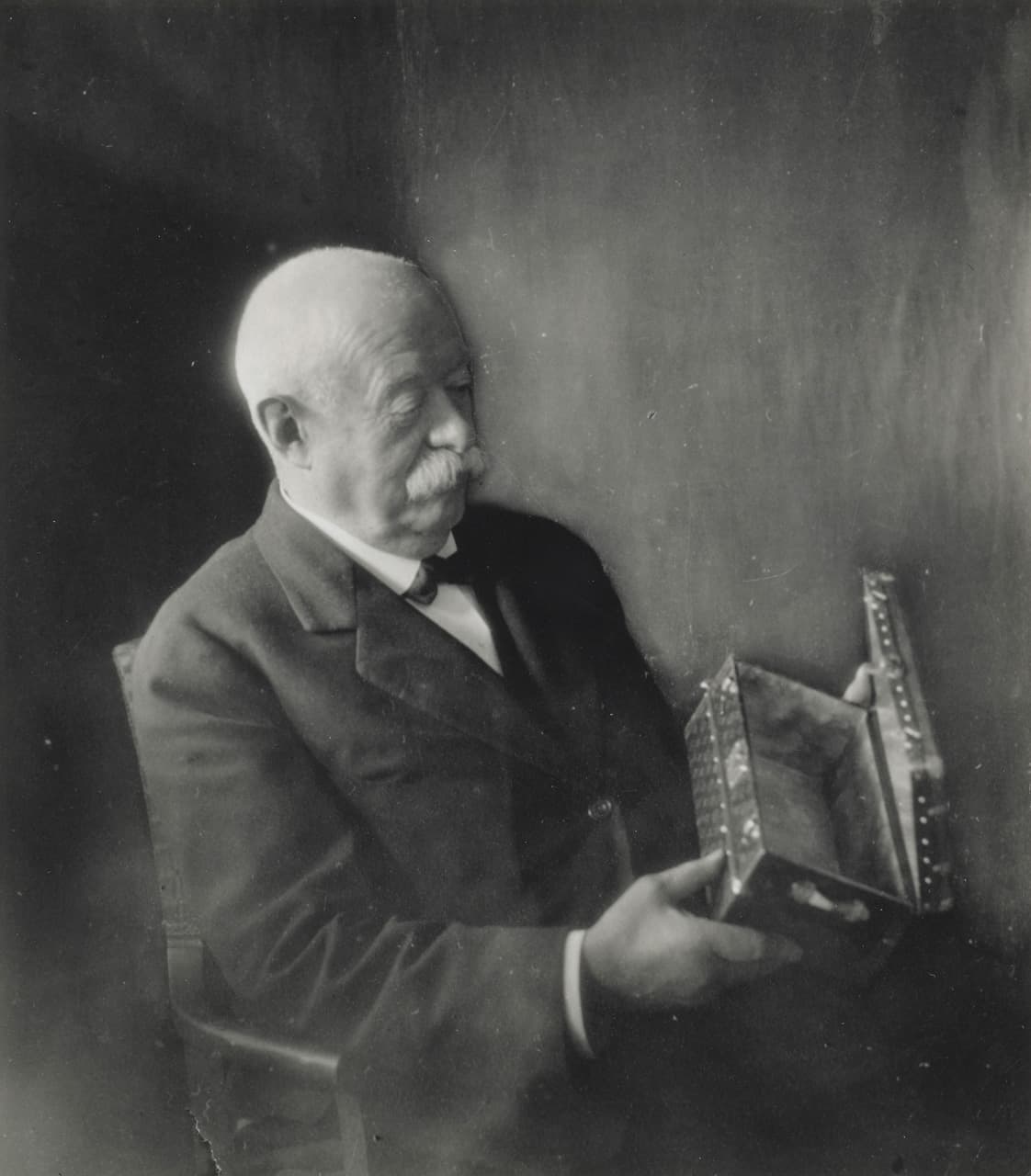
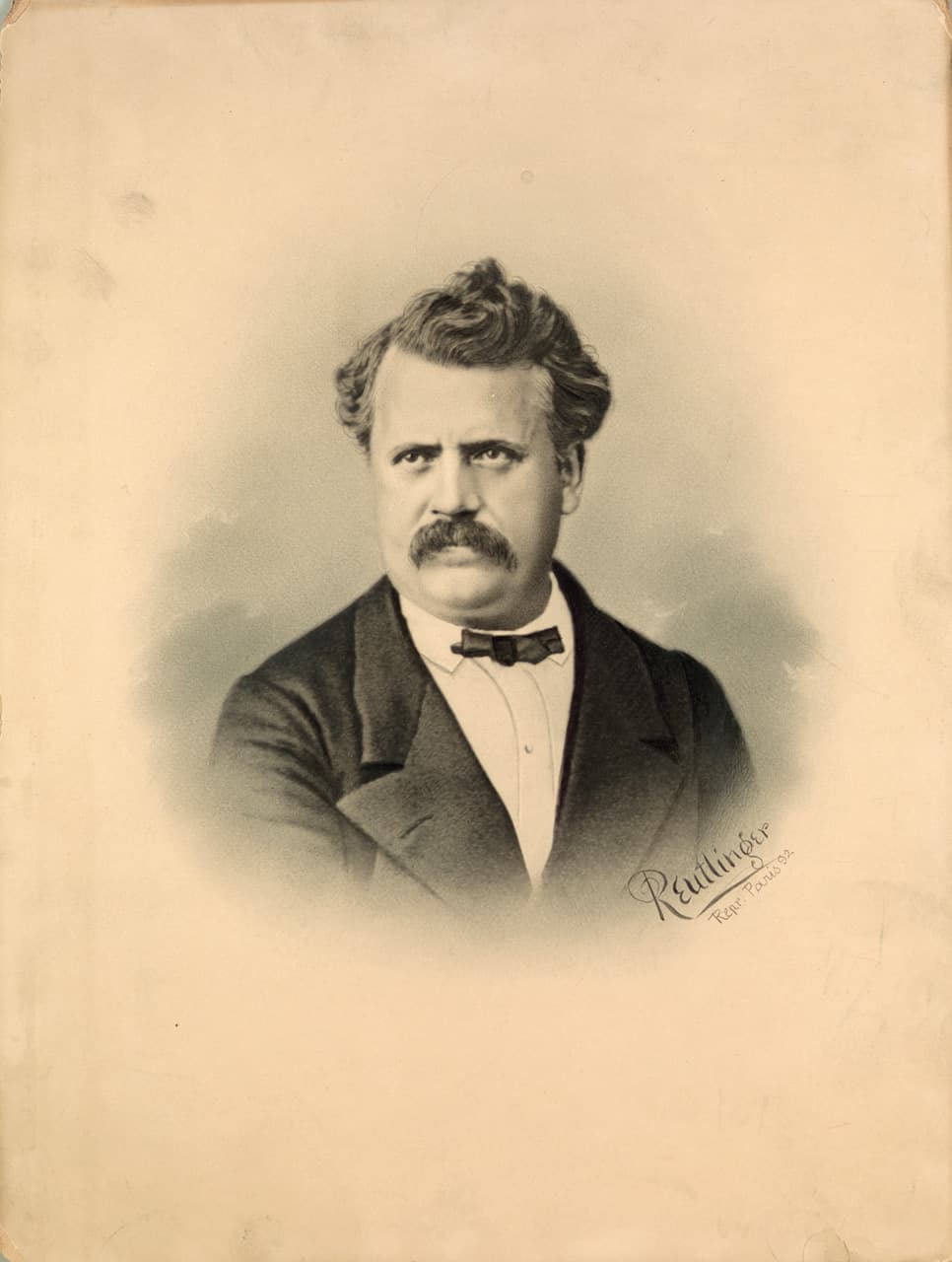
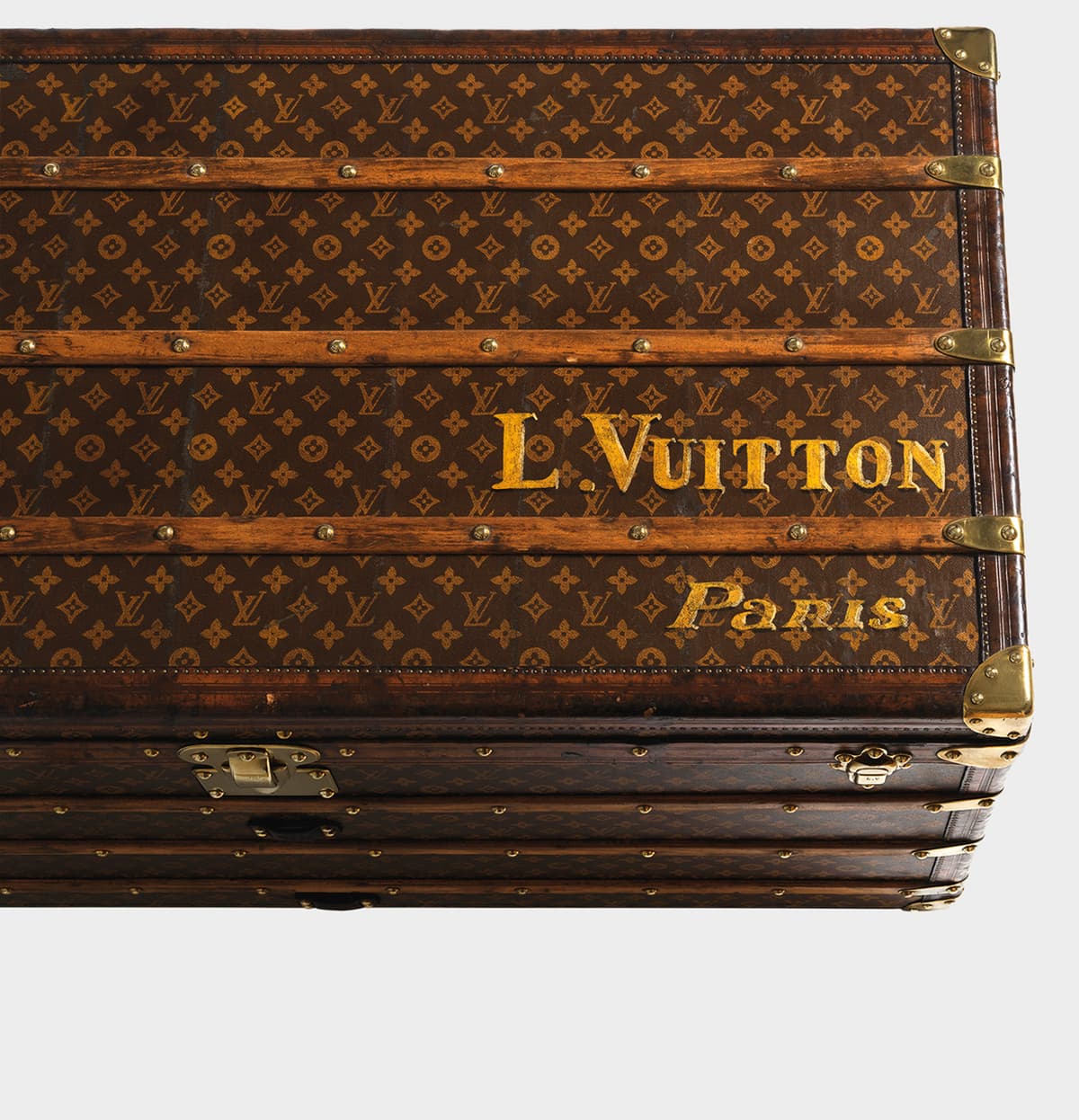
That recognition, however, was born not from marketing but from necessity. In 1896, Georges Vuitton created the Monogram in response to widespread counterfeiting, designing a pattern that could not be replicated. The interlocking LV initials, set alongside floral motifs and quatrefoils, formed a distinctive code that honored his late father, while also offering a modicum of protection for the house’s craftsmanship.
What began as a practical solution soon evolved into something far more enduring. Applied to trunks and travel pieces, the Monogram transformed utility into symbolism, turning function into heritage. Over time, its meaning expanded significantly. As the Monogram became synonymous with Louis Vuitton, it moved beyond its role as a protective code to embody the house’s values of craftsmanship, modernity and transmission. More than a century later, it remains one of fashion’s most recognizable visual identities, living proof that true branding does not demand attention; it earns recognition.
Designed for the Journey
From the outset, the Monogram’s story has been inseparable from movement. Created for travel trunks, it was engineered to endure time, distance and use, qualities that would define its lasting relevance. As travel evolved, so too did the silhouettes that carried the Monogram forward.
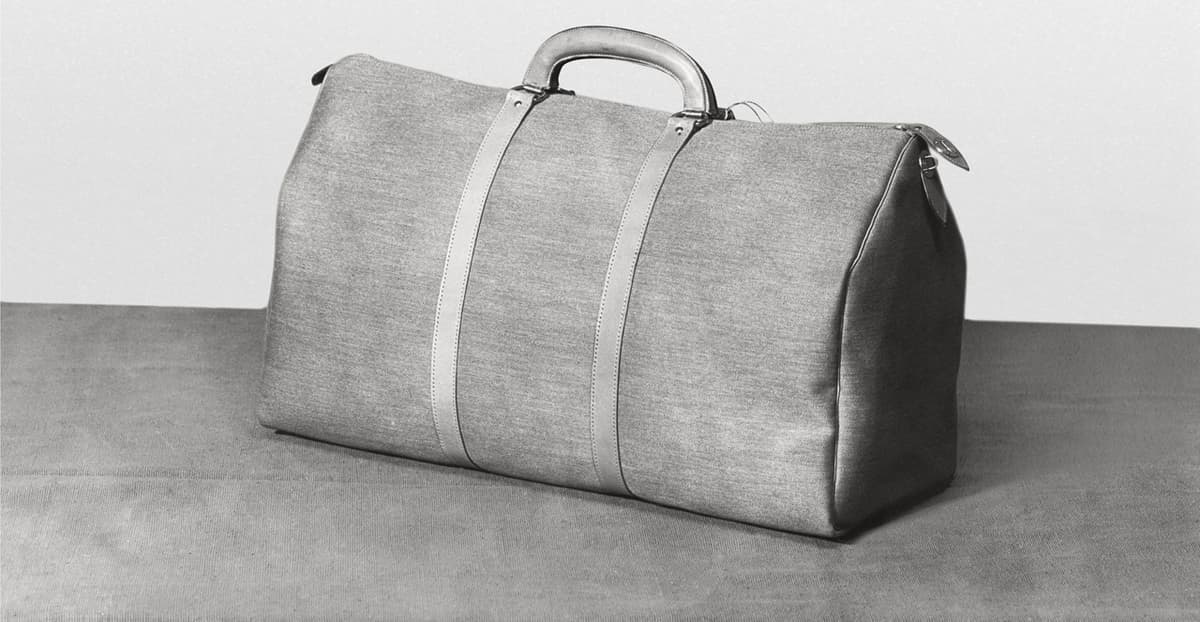
Introduced in 1930, the Speedy and the Keepall redefined personal travel, balancing elegance with practicality and freedom with structure. These designs responded to the changing pace of modern life, offering refined solutions for movement, no matter how near or far.
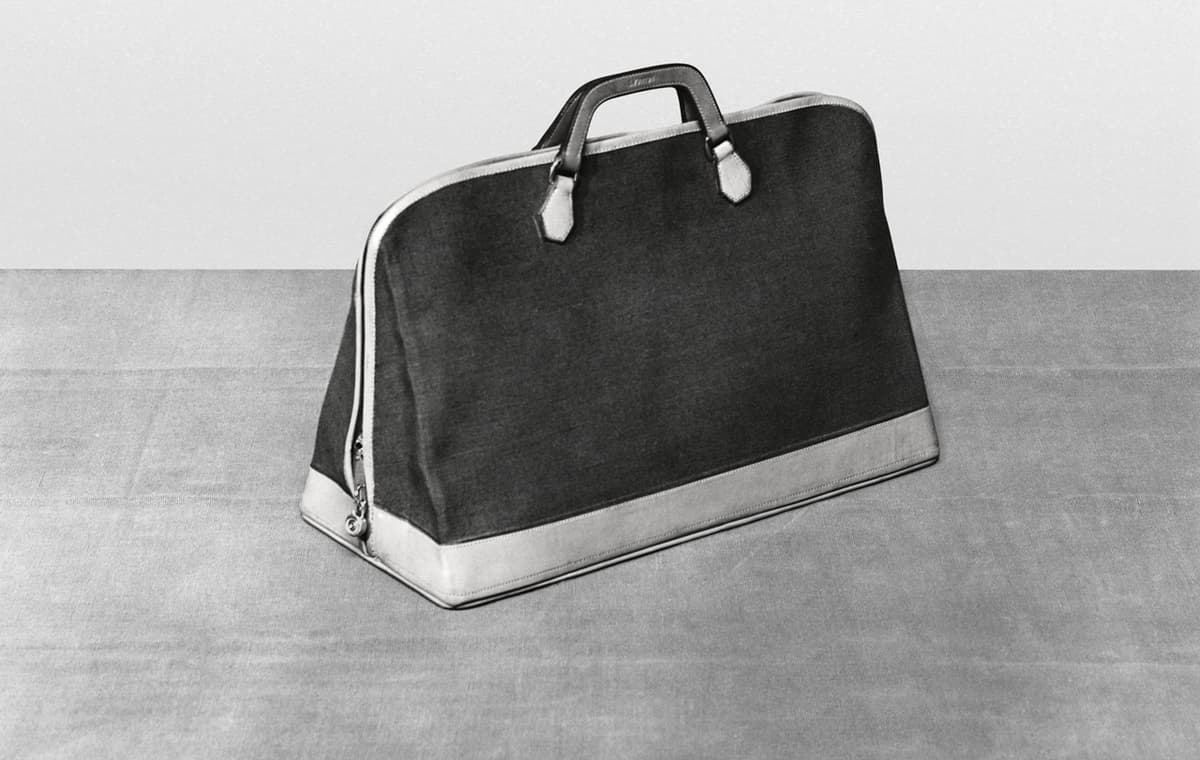
Other icons followed, each shaped by purpose. The Noé, originally designed to carry five bottles of champagne, brought a spirit of creativity and joy to functional design. The Alma drew inspiration from Parisian architecture, expressing sculptural elegance, while the Neverfull emerged as a modern essential—adaptable, versatile and effortlessly relevant. Passed down, reinterpreted and worn across decades, these pieces affirm the Monogram’s universal appeal, timeless yet never static.
Innovation as a Signature
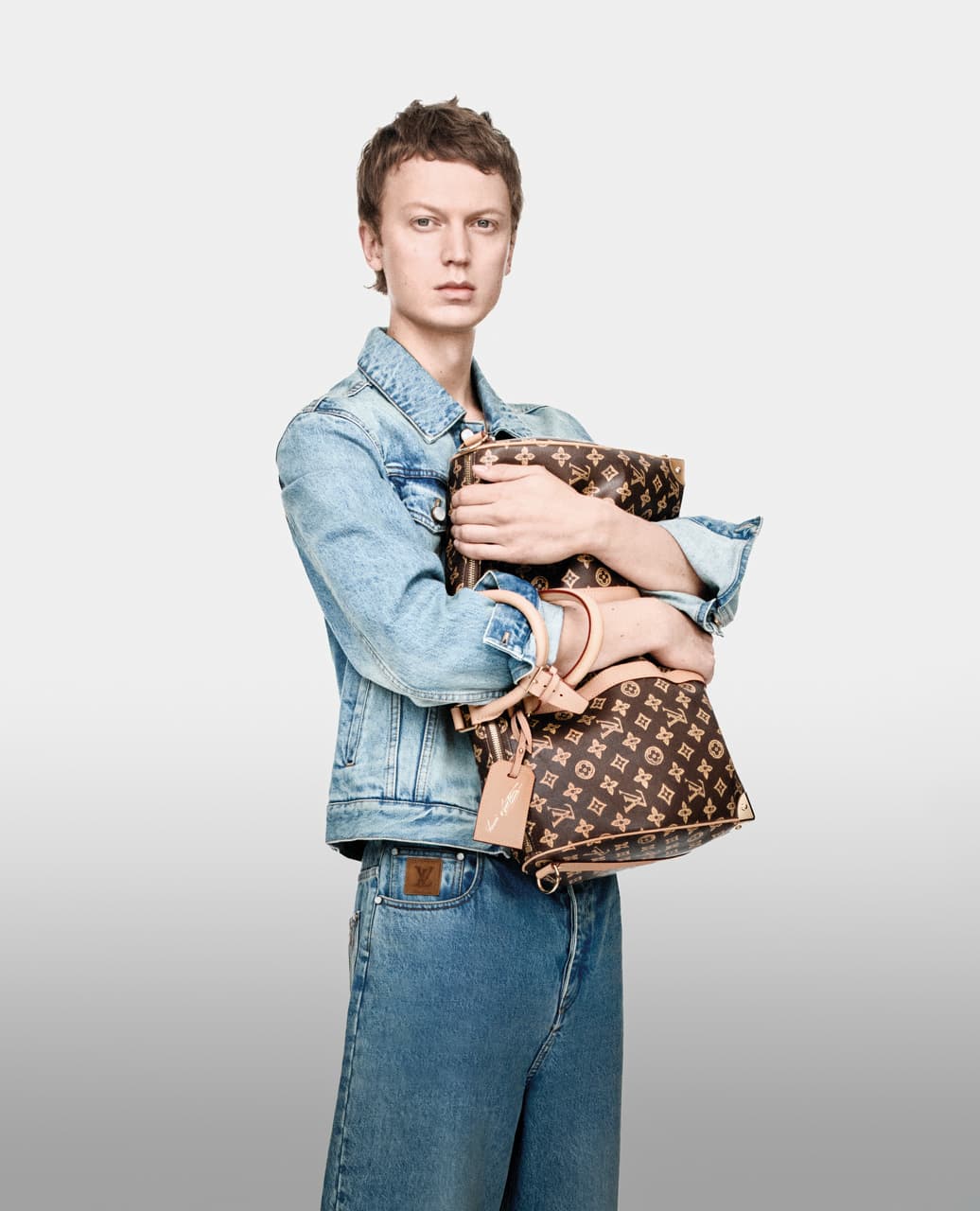
Innovation has always been embedded in the Monogram’s DNA. What began as a patented response to counterfeiting evolved into a continuous process of technical refinement. Advances in canvas construction enhanced durability while preserving lightness and flexibility, essential qualities for travel, while printing techniques were refined to ensure precision and longevity.
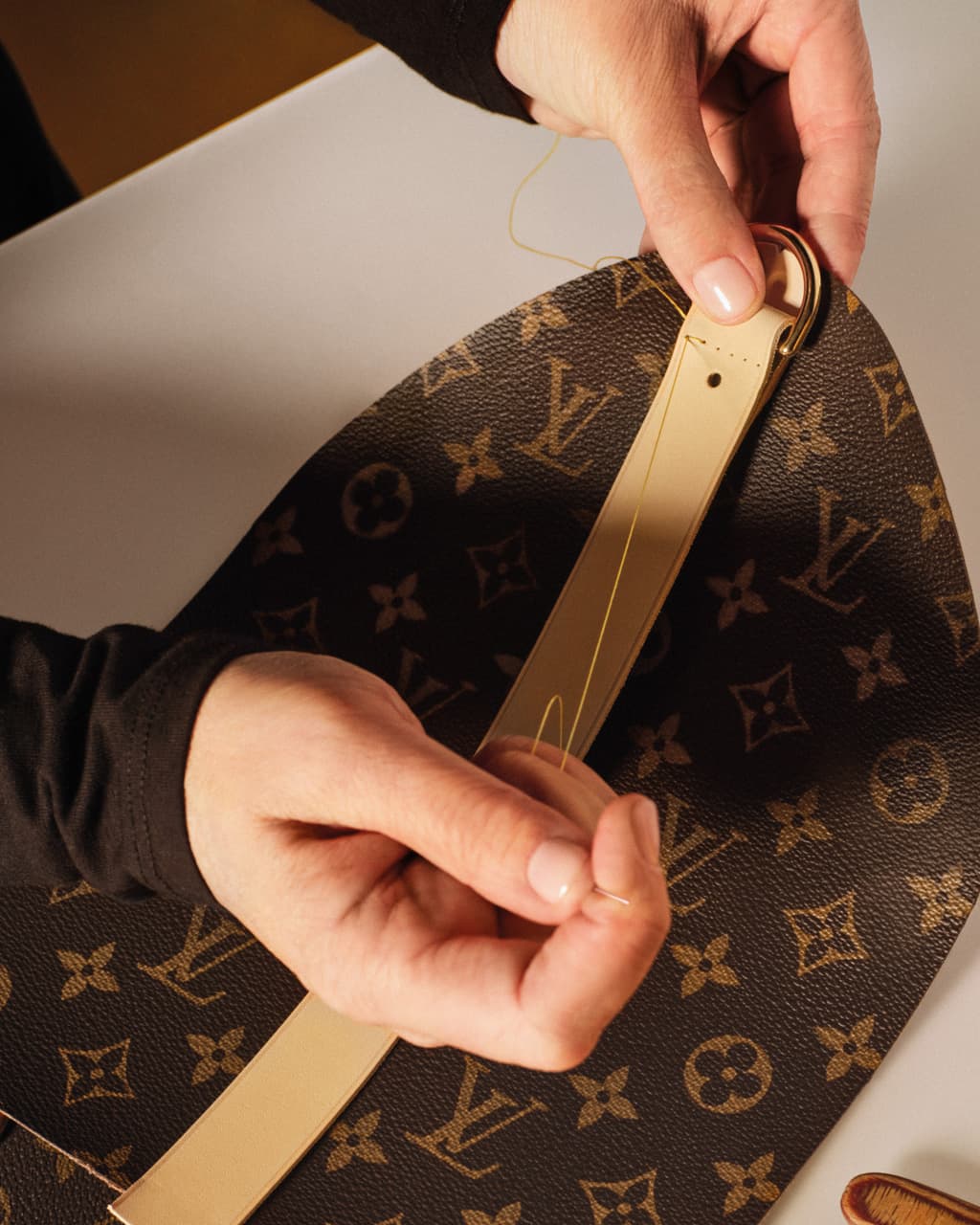
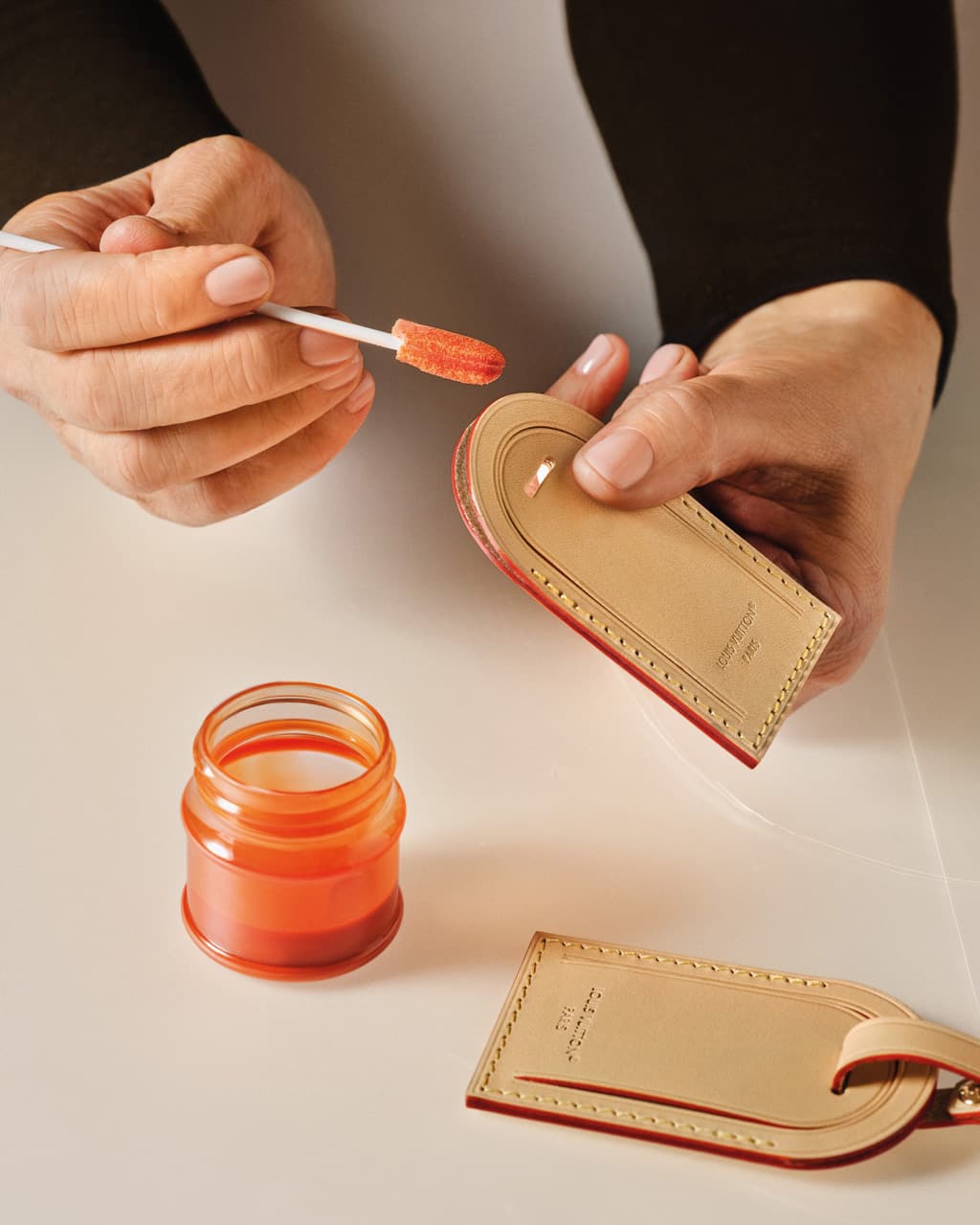
This balance between heritage and innovation defines Louis Vuitton’s approach to craftsmanship. The house’s artisans continually adapt historic savoir-faire to contemporary demands, combining hand-finishing with technical precision. From reinforced structures to refined proportions, each Monogram creation reflects a dialogue between tradition and performance, all while ensuring that the hallowed icon evolves without losing its integrity.
A Living Canvas
Rooted in heritage yet open to reinterpretation, the Monogram has long served as a canvas for creativity. Across decades, it has been shaped by the visions of the house’s creative directors, from Marc Jacobs to Nicolas Ghesquière, Virgil Abloh and Pharrell Williams, each offering a contemporary lens on its enduring codes.
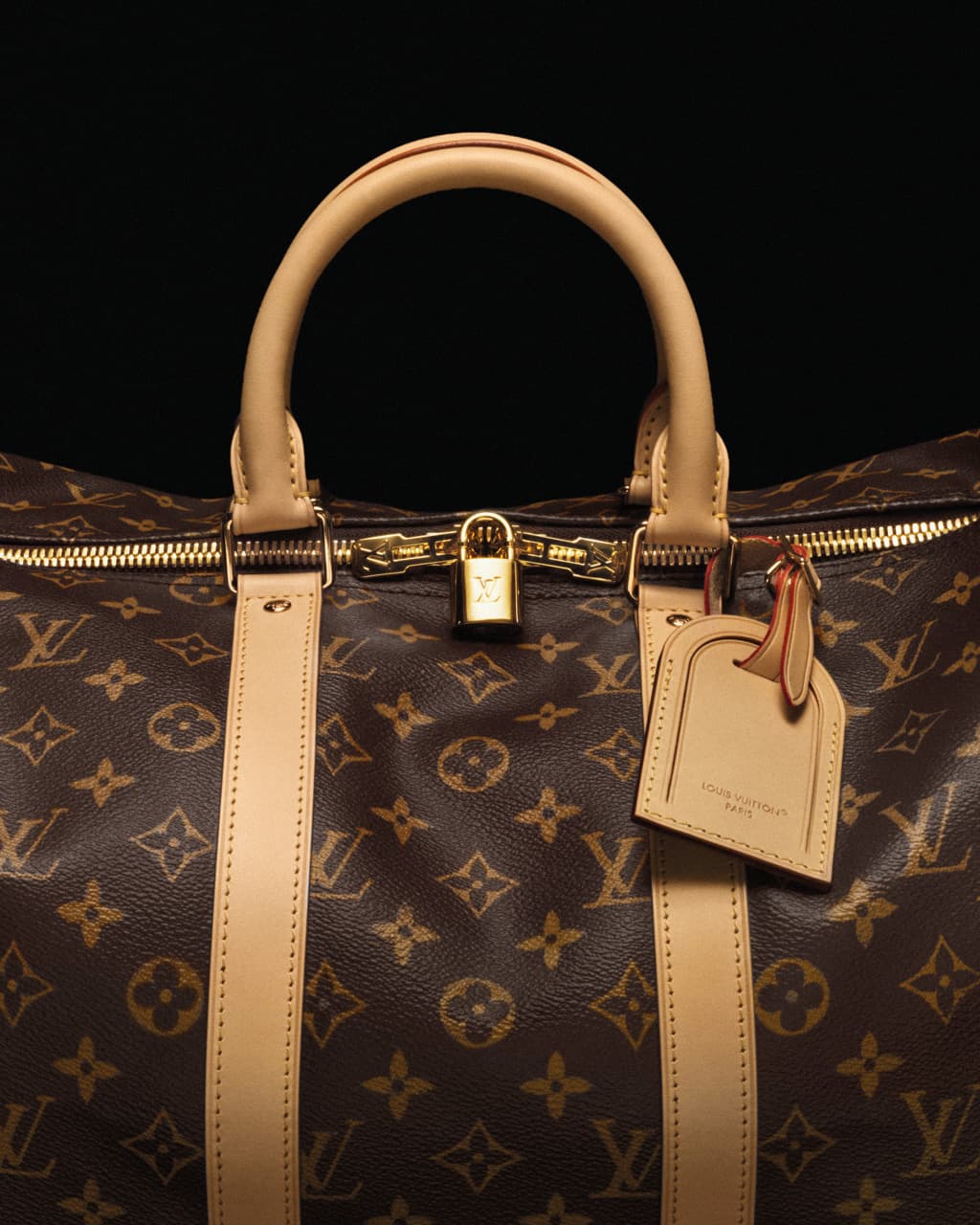
Beyond the house itself, the Monogram has inspired some of fashion’s most influential artistic collaborations. Through reinterpretations by Takashi Murakami, Yayoi Kusama and Richard Prince, it has been transformed into bold, expressive statements that expanded its cultural reach. Each collaboration reinforced its universality and its ability to reflect cultural moments without surrendering identity.
This openness to reinvention ensures that the Monogram was never left frozen in time. Quite the contrary, it remains a living symbol; one that is continually shaped by creativity, culture and innovation.
Returning to the Origin
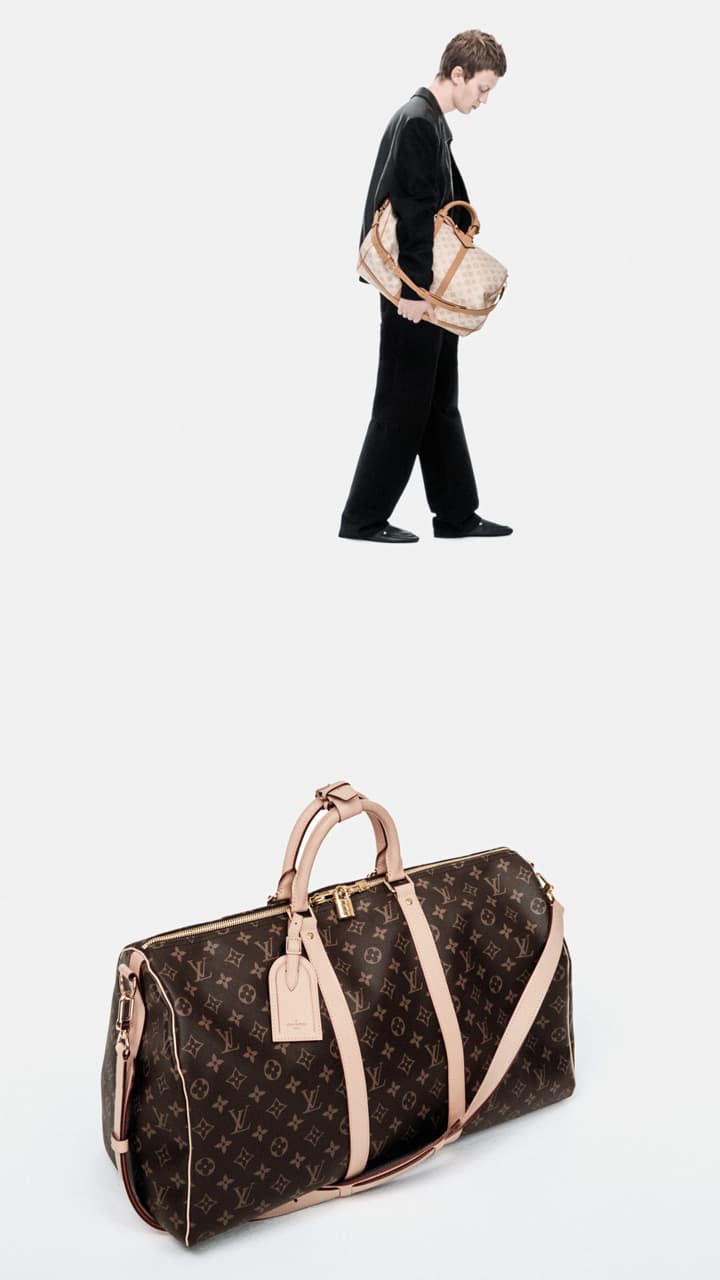
As Louis Vuitton marks 130 years of the Monogram, the house turns its gaze back to the beginning with the launch of the Monogram Origine Collection. Revisiting the original 1896 pattern, the collection places renewed focus on the emblem’s foundations, reinterpreted through contemporary craftsmanship and material innovation.
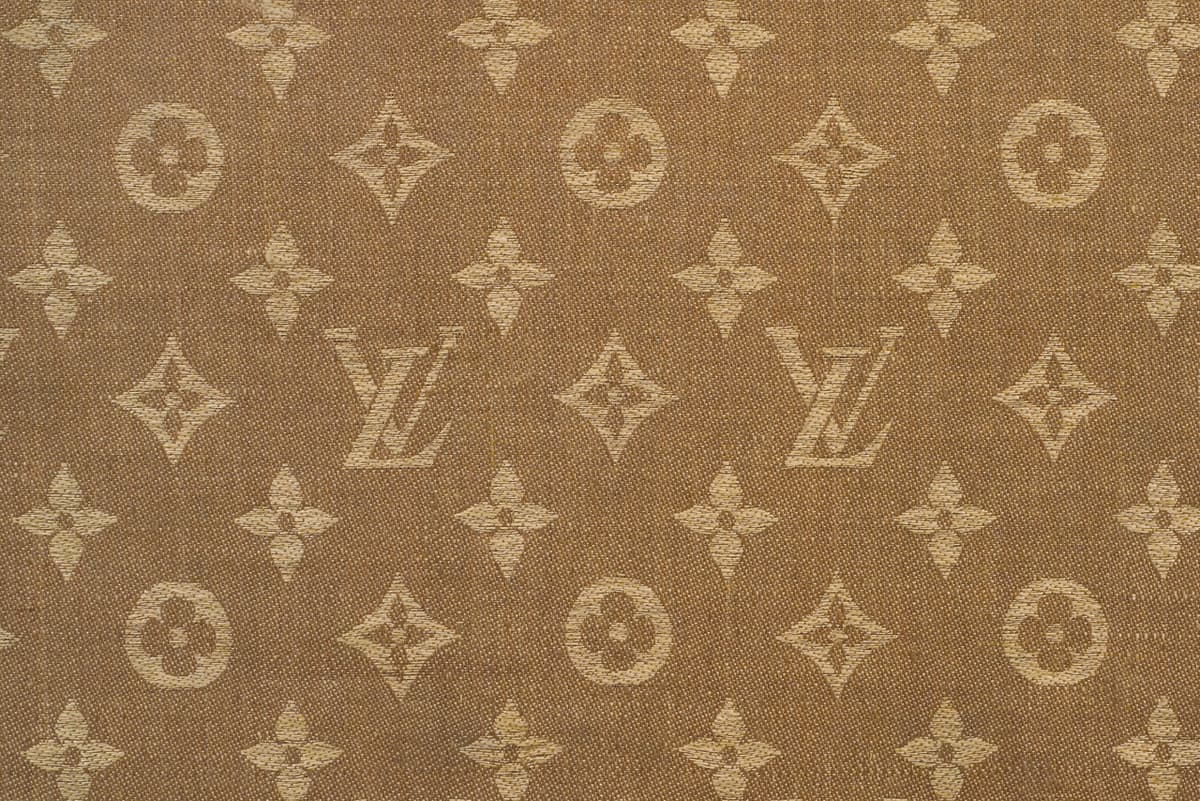
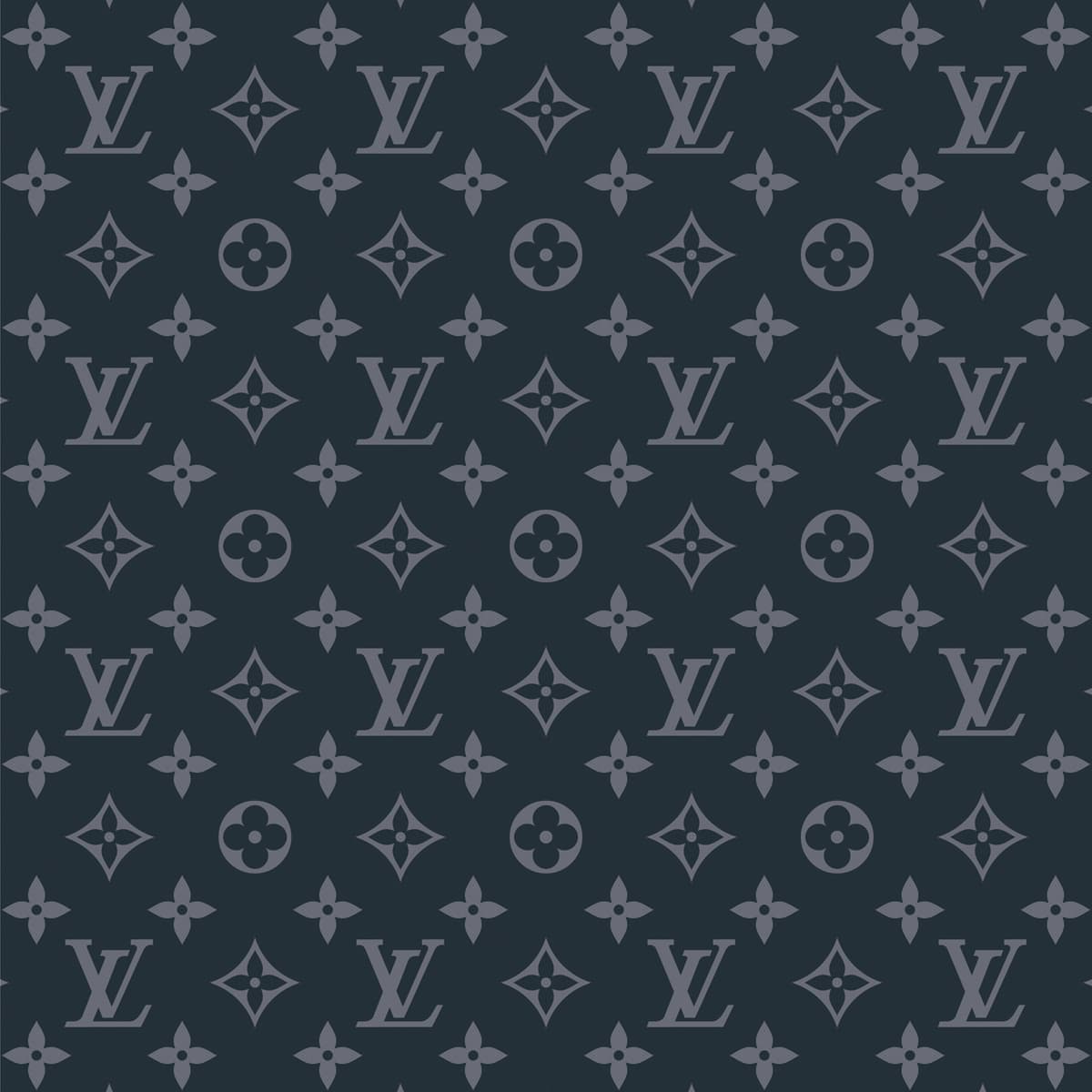
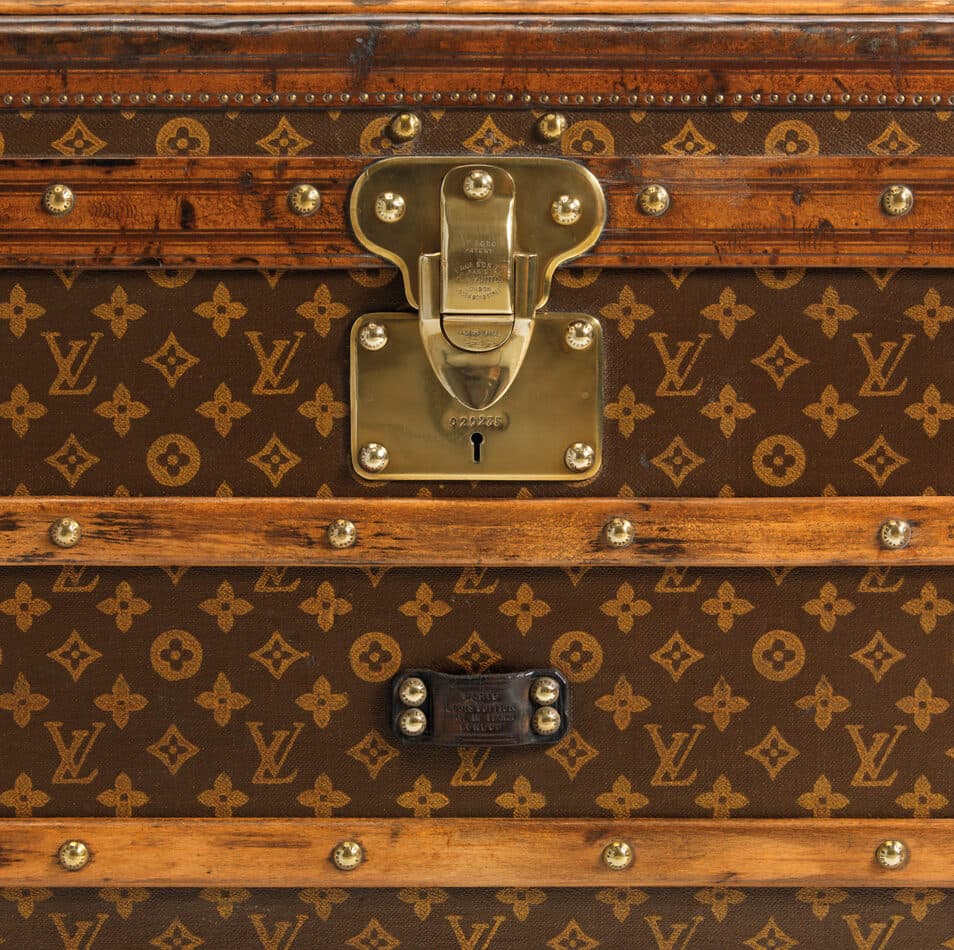
Crafted using a refined jacquard weave, the newly developed Monogram canvas is made from a linen and cotton blend, offering a lighter, more tactile expression of the emblem. Inspired by archival client registers, the palette introduces soft pastel tones that bring nuance and modernity to the historic motif. Each piece reflects a careful balance of respect and reinvention, honoring Georges Vuitton’s original vision while allowing it to evolve for today.
Heritage, Reimagined
Alongside Monogram Origine, Louis Vuitton has also introduced two additional anniversary capsule collections that further explore the Monogram’s versatility. The VVN Collection celebrates the house’s leather goods heritage through natural cowhide designed to develop a rich patina over time. The Time Trunk Collection bridges past and present with trompe-l’oeil techniques that recreate the textures and metallic details of historic trunks, thereby transforming heritage into visual illusion.
Together, these collections affirm the Monogram as more than a design. It is a living symbol that continues to evolve through innovation while maintaining its global cultural resonance. At 130 years, the Louis Vuitton Monogram remains an icon in motion, shaped by the past and defined by what comes next
Text Anindya Devy