


From daily movement to peak athletic performance, squats build strength and stability—here’s why
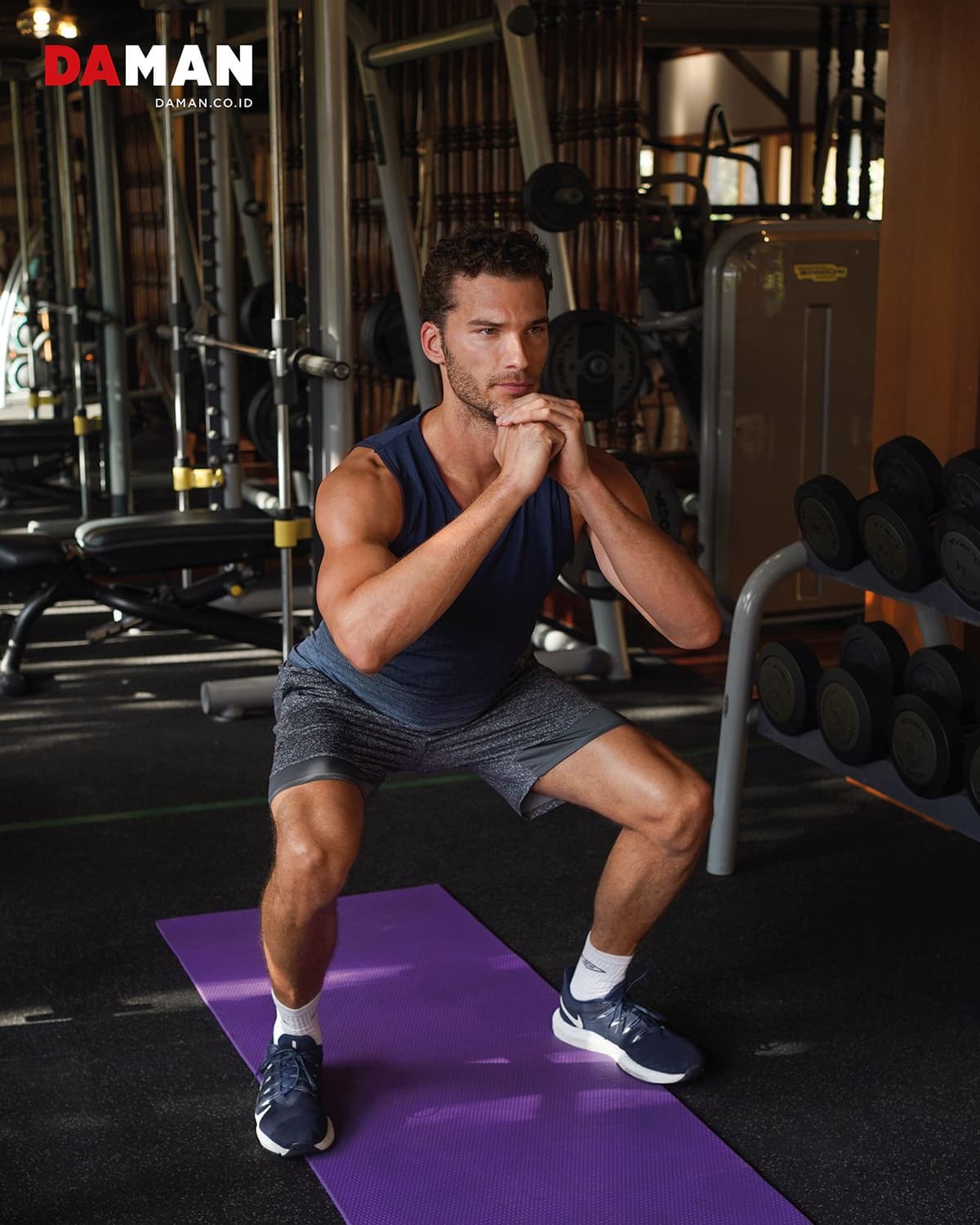
Struggling to pick up items from the floor, reach the bottom shelf, or stand up from a chair? These everyday movements can become more challenging over time, signaling the need to strengthen your legs and lower body. Squats are one of the best exercises to build that strength. As a foundational movement, they support nearly everything we do. They are especially crucial for athletes looking to develop power in the legs and hips, targeting the quadriceps and glutes.
But squats are more than just a leg exercise—they engage multiple muscle groups, making them a powerhouse move for overall strength. While your legs do most of the work, your core, including the abs and lower back, plays a key role in stabilizing your body. Because squats activate multiple muscles simultaneously, they are one of the most effective exercises for strength and muscle development.
One of the biggest advantages of squats is their adaptability. They can be modified for any fitness level and mimic essential daily movements like sitting and standing. Incorporating squats into your routine can improve mobility, stability and athletic performance.
The Benefits
Squats offer a full-body boost to your fitness. They build serious strength in the legs and glutes, making everyday activities—like walking, lifting and climbing stairs—easier. They also enhance flexibility in the knees, hips and ankles, reducing the risk of injury and improving movement efficiency.
Beyond muscle strength, squats contribute to bone health, which is crucial for staying strong as you age. They also engage the core, improving balance and stability. And if you play sports, squats can enhance power and flexibility, giving you an edge in performance.
How to Perform a Proper Squat
Laura Kummerle, a physiotherapist and online coach from Paradigm of Perfection, explains, “Squats provide a solid foundation for many lower-body exercises.” She emphasizes the importance of proper form for effectiveness and injury prevention.
Start by standing with your feet hip-width apart, with your toes either facing forward or slightly turned out—whichever feels more natural. Keep your chest lifted and your core engaged. Initiate the movement by pushing your hips back, then bend your knees and lower yourself to a comfortable depth. Keep your heels planted on the ground to maintain stability. As you rise, drive through your feet and squeeze your glutes at the top.
The Variations
Squats can be adapted to suit different fitness levels, with bodyweight variations being an excellent starting point. A basic bodyweight squat helps build foundational strength and mobility, while an ass-to-grass (ATG) squat requires a deep range of motion, bringing the glutes close to the ankles. For those looking to engage the inner thighs, sumo squats involve a wider stance with toes pointing outward. Meanwhile, jump squats add an explosive element, increasing power and athleticism.
For a greater challenge, weighted squats introduce resistance to further enhance strength development. Dumbbell squats, performed with weights at the sides or shoulders, provide a simple yet effective way to increase intensity. Barbell split squats focus on one leg at a time, improving balance and muscle engagement. Olympic squats, traditionally performed with a barbell, emphasize both strength and technique. Classic back and front squats shift the focus to different muscle groups depending on bar placement, while the Smith machine squat offers a guided movement for controlled execution. Another advanced option, the Bulgarian split squat, challenges stability and lower-body endurance by elevating the back foot during the movement.
Regardless of the variation, squats remain a fundamental exercise that strengthens the lower body, enhances mobility and improves overall stability. Choosing the right squat for your fitness level and goals ensures both effectiveness and long-term progress.
Photography Sunaryo
Model Aurélien Muller/New Madison Models
Location Ayana Resort & Spa, Bali