


Meet Gyrotonic, a movement method that swaps stiff routines for circles, spirals and feel-good flow to loosen joints and strengthen your core
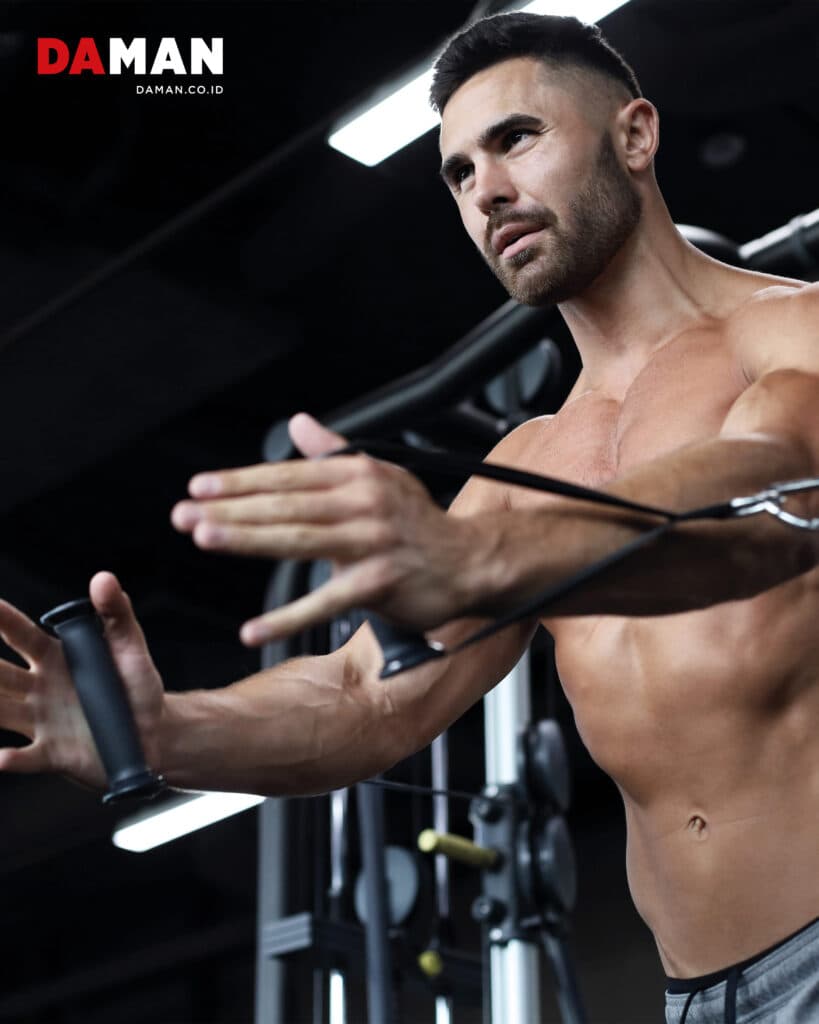
Sometimes a workout needs more personality than reps and rigid routines can offer, and that’s where Gyrotonic steps in. When your routine starts to feel repetitive or rigid, this method sweeps in with circles, spirals and continuous flow. It not only reshapes your body but also keeps your mind engaged, tapping into the growing desire for exercise that feels as good as it is good for you.
The term “Gyrotonic” comes from two root words: “gyro,” the Greek word for circle or spiral, and “tonic,” meaning something that supports muscular health. True to its name, Gyrotonic is a whole-body movement system grounded in circular and spiraling patterns that promote strength, balance, flexibility and efficient movement.
Unlike traditional fitness equipment, Gyrotonic emphasizes continuous three-dimensional motions that engage the entire body. Each movement transitions smoothly into the next without pauses and works in sync with specific breathing patterns. This approach is part of the Gyrotonic Expansion System, designed to enhance the natural mobility of your joints while strengthening muscles, particularly throughout the core.
The method was created in the early 1980s by Romanian-born professional dancer Juliu Horvath. After a series of serious injuries ended his dance career, Horvath began exploring ways to heal and rebuild his strength and agility. He first developed a chair-and-mat practice called Gyrokinesis, which later evolved into Gyrotonic after he designed wooden equipment featuring rotating discs and weighted pulleys to support circular motion.
Today, Gyrotonic is sought after by a wide range of individuals — young and old, beginners and experts, those recovering from injuries, people with disabilities, elite athletes and dancers — thanks to its holistic and adaptable benefits.
Its circular and spiral patterns greatly enhance joint mobility, especially in the spine. The method can help address lower back and cervical spine pain, including sciatica, repetitive strain injuries, multiple sclerosis, osteoporosis and rheumatoid arthritis. By stretching and strengthening the muscles surrounding the spine, chest and abdomen, Gyrotonic supports improved flexibility and core strength.
The system’s rhythmic multidirectional movements also help develop coordination, agility and balance. Meanwhile, synchronized breathing helps regulate the nervous system, reduce stress and deepen body awareness, almost like a moving meditation. Because it is low impact and highly adaptable, Gyrotonic is frequently used in rehabilitation, particularly for chronic back issues.
Five pieces of specialized equipment are used in Gyrotonic practice, most crafted from wood to reflect its emphasis on natural, fluid movement. The lineup includes the Archway, Leg Extension Unit, Jumping Stretching Board and Gyrotoner. The first and most widely recognized is the Pulley Tower Combination Unit, which features a bench with rotating handles connected to a weighted cable system. Newer models are adjustable, allowing each user to tailor the equipment to their proportions and movement capacity for a fully customized range of motion.
Yoga, Pilates and Gyrotonic are all mind-body practices gaining popularity. While they share certain principles, each method is distinct. Yoga transitions between static poses to prepare the mind and body for spiritual practice. Pilates emphasizes core strength, posture and correcting muscular imbalances. Gyrotonic, by contrast, works deeply with the fascia, nervous system and skeletal system.
Though Gyrotonic may resemble Pilates in some ways, it flows continuously through multidirectional movement unlike Pilates’ structured repetitions. Many forms of yoga require holding poses, and while both Pilates and Gyrotonic draw inspiration from yoga, it remains the oldest of the three traditions. Ultimately, Gyrotonic offers more than exercise: it invites you to move with awareness, strength and ease, helping you build a body that feels resilient, mobile and free.