


Max Huang chats with DAMAN’s Riga Ramadhan about the story behind Kung Lao from “Mortal Kombat II,” Jackie Chan and learning to live in the moment
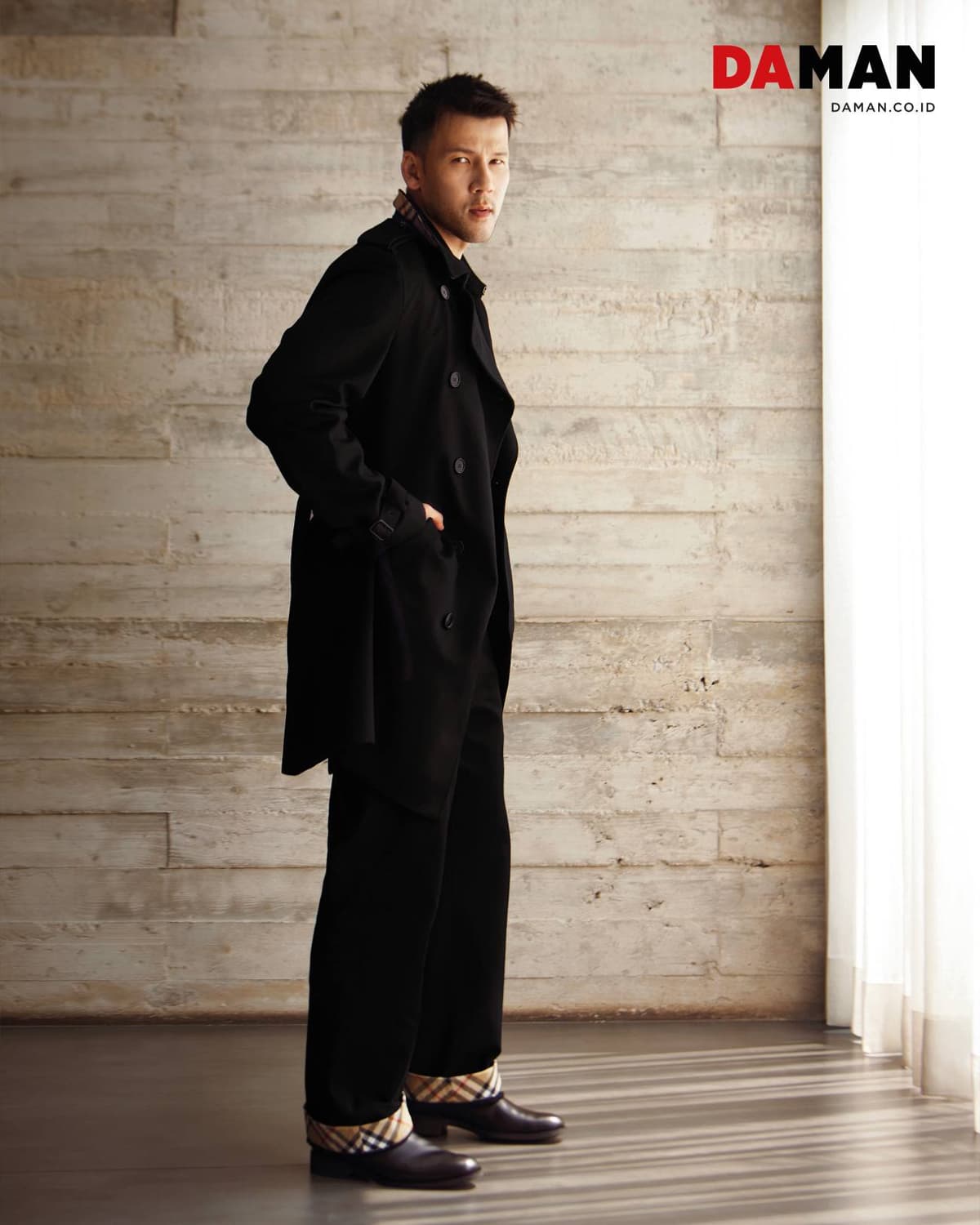
There’s a particular kind of presence that only certain people possess—a stillness that somehow radiates energy. Max Huang has it. The Chinese-Indonesian-German actor, stuntman, martial artist, director and writer sits across from us in Jakarta, visibly at ease despite being at the center of one of the year’s biggest film tours. “Mortal Kombat II” has just screened in the city, marking Jakarta’s first-ever Hollywood premiere, and the crowd’s reaction—thunderous, electric and deeply personal—has clearly left an impression on him.
“People asked me to describe it in one word,” he says, leaning forward slightly. “And that word would be love.” He pauses, as though replaying the memory in his head. “The people are so warm and welcoming. The hospitality of Indonesians is probably the best in the world.”
For Huang, the trip carries a weight that extends beyond professional obligation. His father is from Medan and although he last visited Indonesia at the age of three, there’s something unmistakably homecoming-like about this moment. Returning alongside a cast that includes Joe Taslim—one of Indonesia’s most celebrated action exports—only deepens that significance.
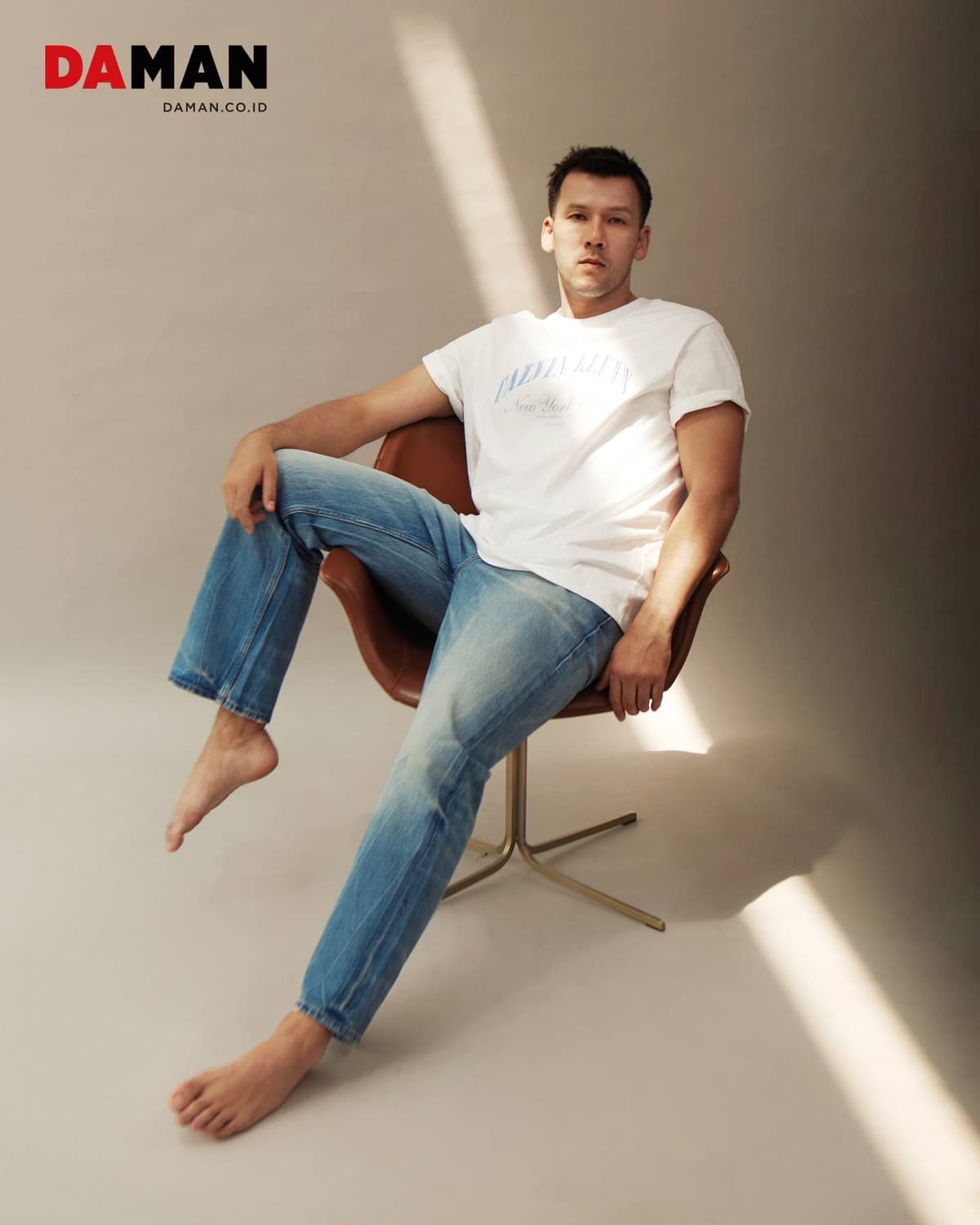
“It’s a dream come true,” he says.
Coming from Huang, it doesn’t sound like a polished press-tour line. It sounds genuine.
When audiences first met Kung Lao in 2021’s “Mortal Kombat,” he was the swaggering showman of the ensemble, armed with razor-sharp confidence and an ego barely kept in check. He believed himself to be the tournament’s greatest fighter. Then he died for it.
Now, in “Mortal Kombat II,” he returns resurrected, corrupted and serving the darkest forces in the franchise’s mythology.
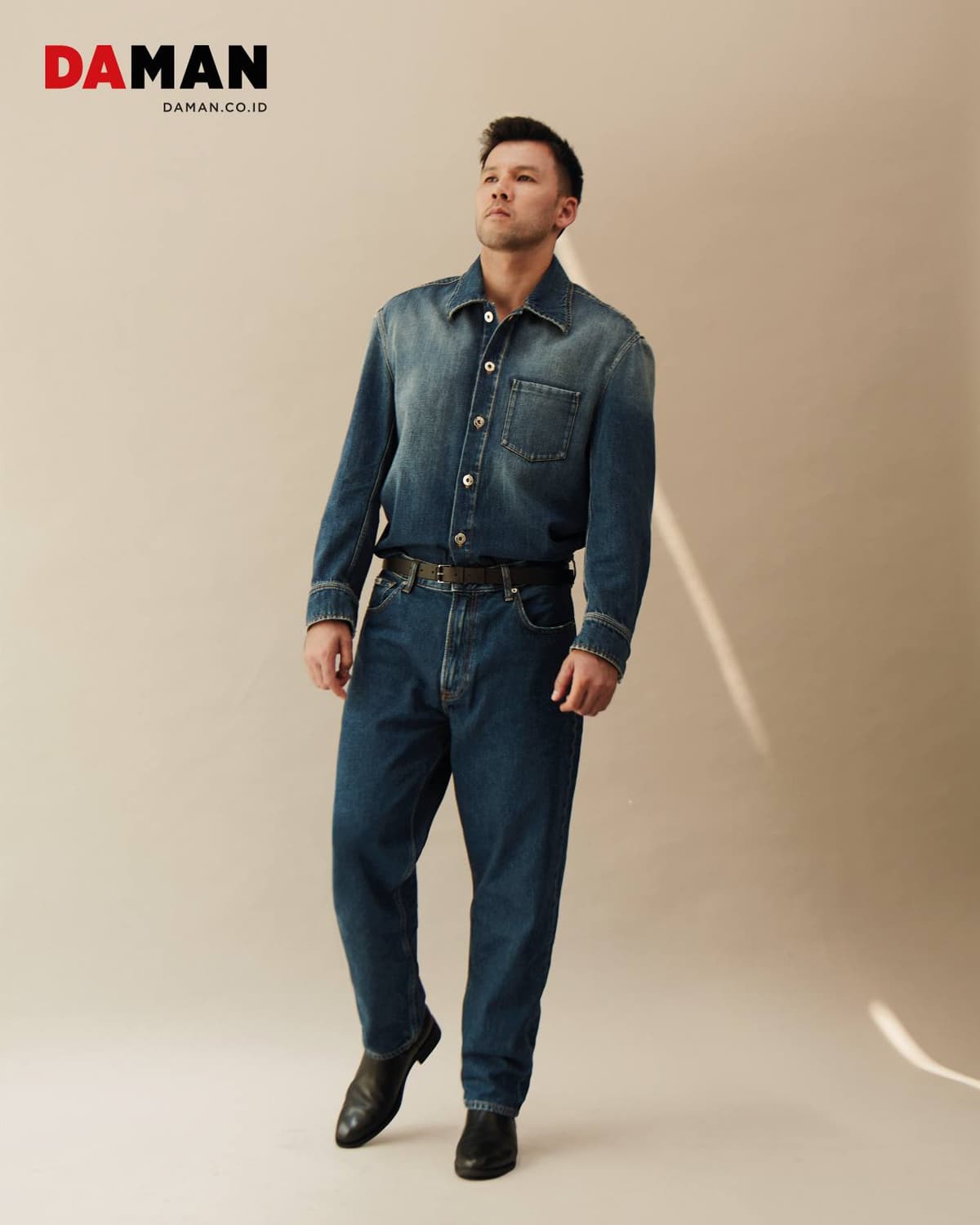
The transformation required Huang to rebuild the character from the inside out. Rather than simply tapping into a darker emotional register, he returned to first principles. He sought private coaching sessions with renowned acting teacher Larry Moss, whose clients include Leonardo DiCaprio, while also spending a year training in Shaolin kung fu with Shi Yan Lin before production began.
“With Kung Lao especially, in a martial arts movie, our characters express themselves physically,” Huang explains. “So, I wanted to study more traditional Chinese martial arts, Shaolin kung fu, to give the character more depth and expand his library of movements.”
But the psychological work mattered just as much as the physical preparation. Looking back on the first film, Huang realized Kung Lao’s arrogance wasn’t empty—it was protective.
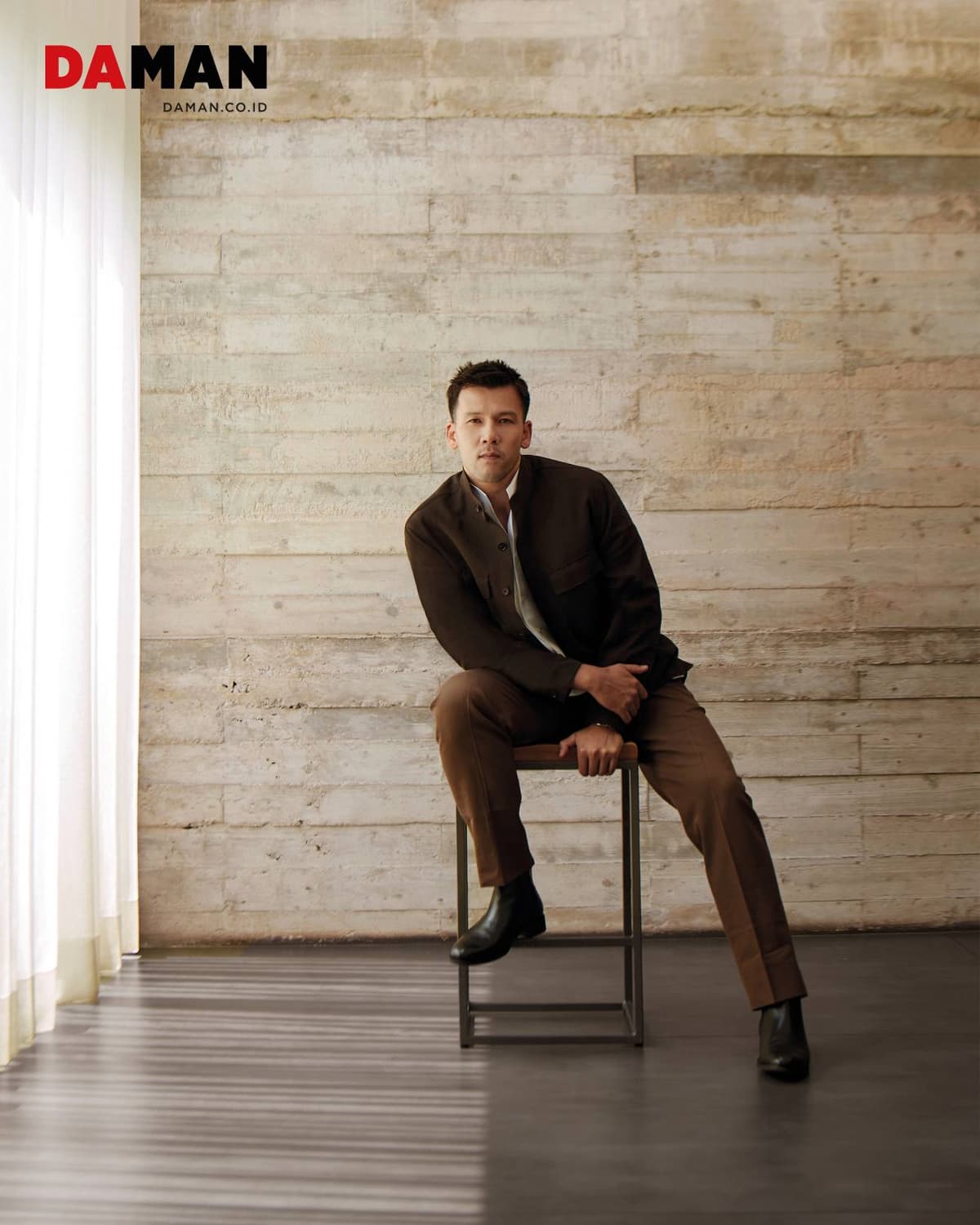
“I always realized that cockiness comes from somewhere. There has to be a reason for it,” he says. “And I think one of those reasons is that deep inside, he’s insecure.”
That insecurity has a name: Liu Kang.
The rivalry with his cousin—his brother-in-arms, his mirror and ultimately his shadow—becomes the emotional fault line of the sequel. Resurrected by Shao Kahn, Shang Tsung and Quan Chi, Kung Lao operates less like himself and more like a weapon fueled by resentment.
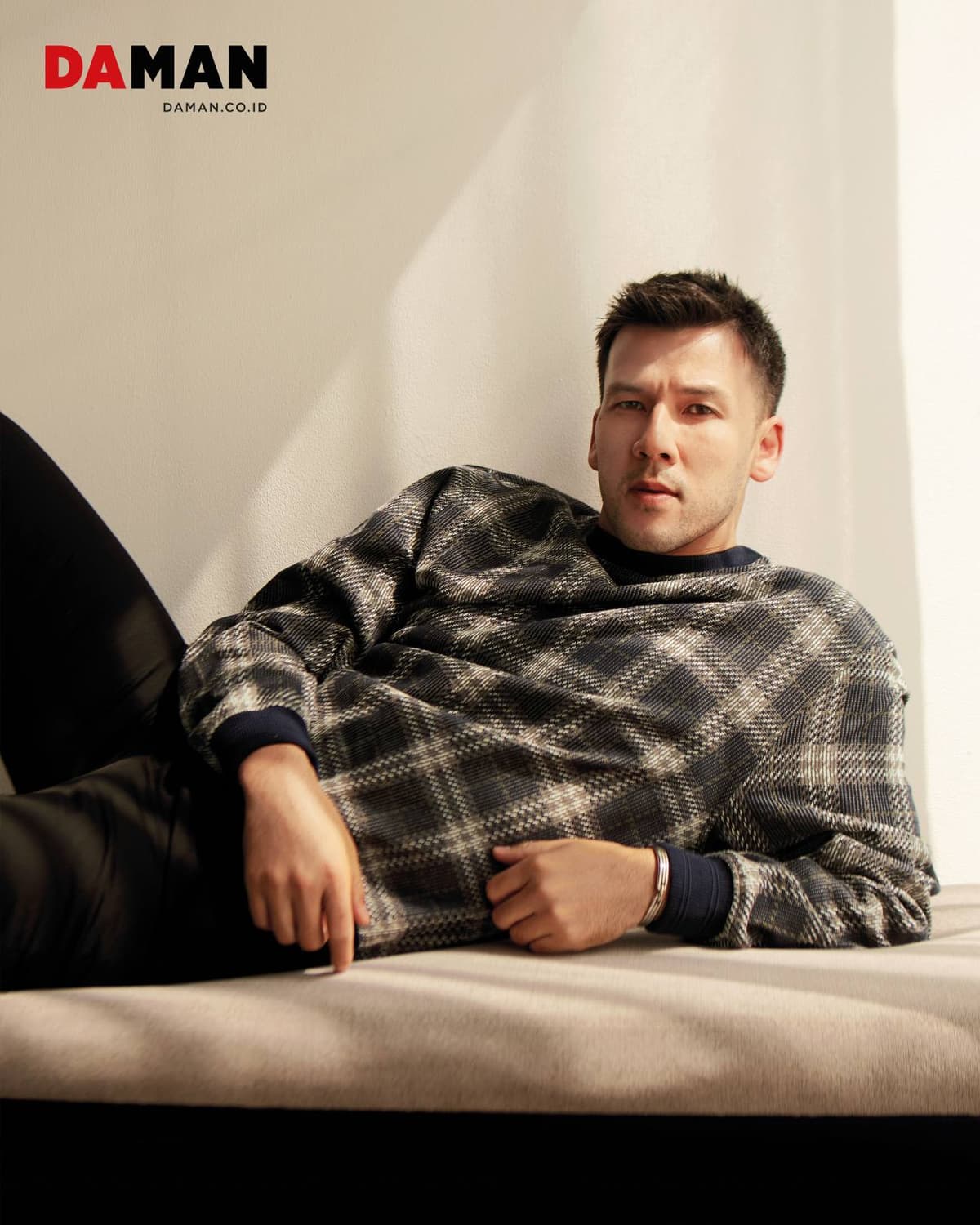
“He doesn’t really think clearly by himself anymore,” Huang says. “He’s manipulated. You could even say he’s more like a zombie in the second film. He just wants revenge by killing Liu Kang.”
The emotional and physical centerpiece of Huang’s performance arrives in the climactic battle between Kung Lao and Liu Kang, played by Ludi Lin. Early screenings have already drawn praise for the scene’s emotional intensity and it’s easy to understand why.
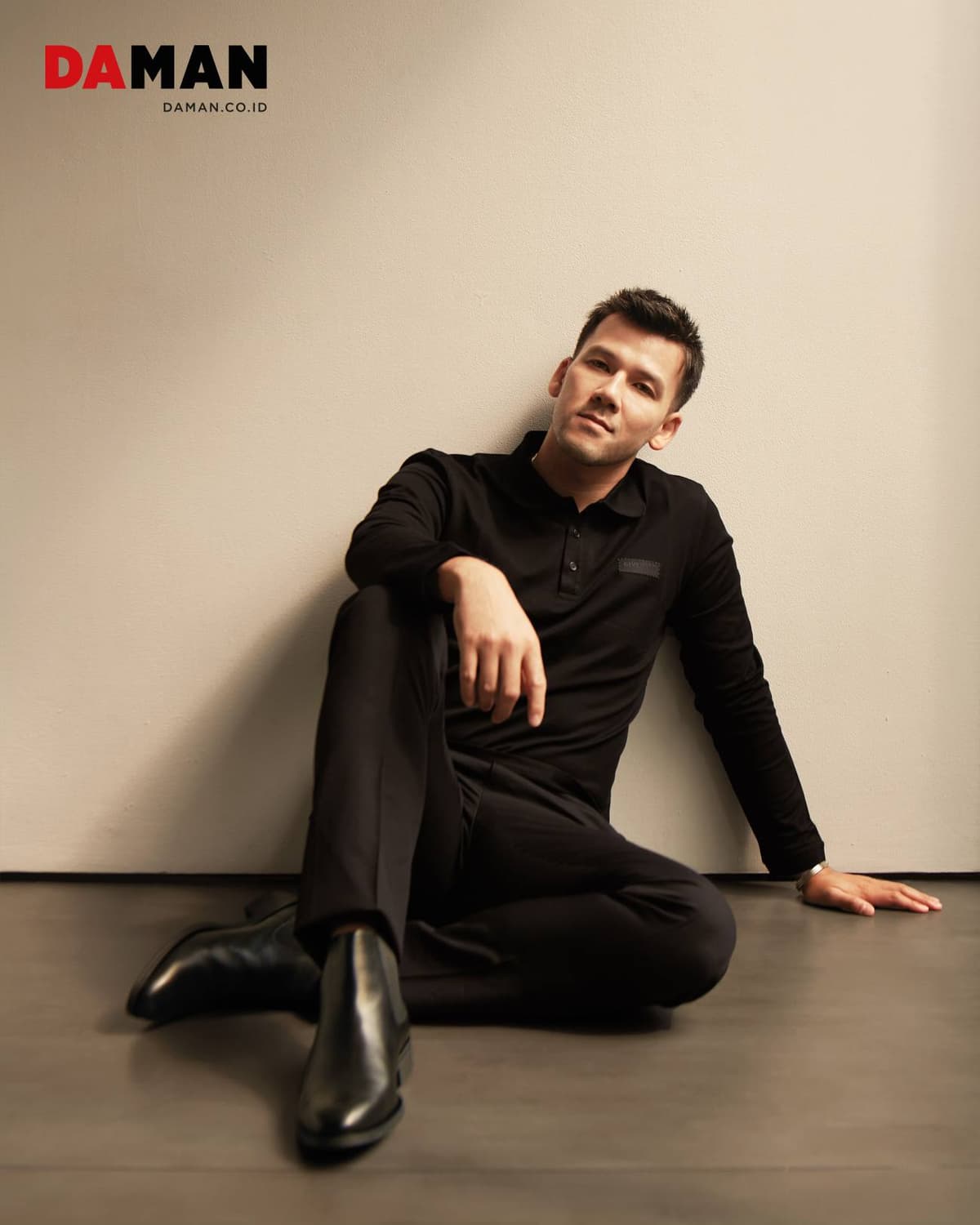
“I trained for eight months for this fight,” Huang says. “And it took us one full week to shoot it.”
The stunt team created an extensive previsualization beforehand, essentially filming the choreography in advance so every movement could be mapped out and refined. But Huang didn’t simply execute what was placed in front of him. He layered his own martial arts vocabulary into the sequence.
“I sprinkled my own martial arts flavor on top of it,” he says. “Some of the Wing Chun punches you see in the scene were ideas I came up with myself.”
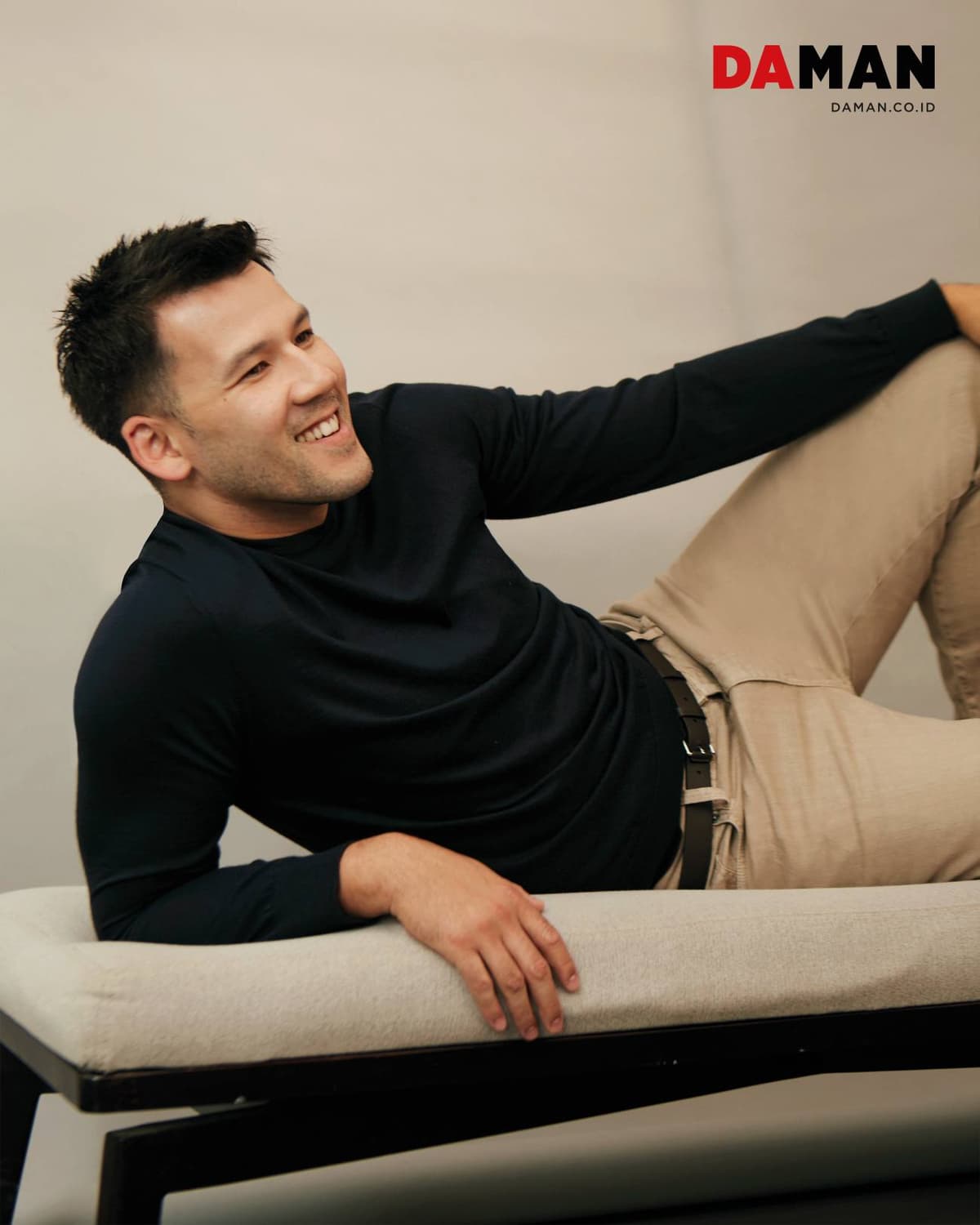
He also revisited “Mortal Kombat 11,” studying gameplay footage online to identify the gestures and poses that have defined Kung Lao for decades.
“For me, it was about finding the essence of the character,” he explains. “The five most iconic movements of Kung Lao.”
From there, everything became about integration.
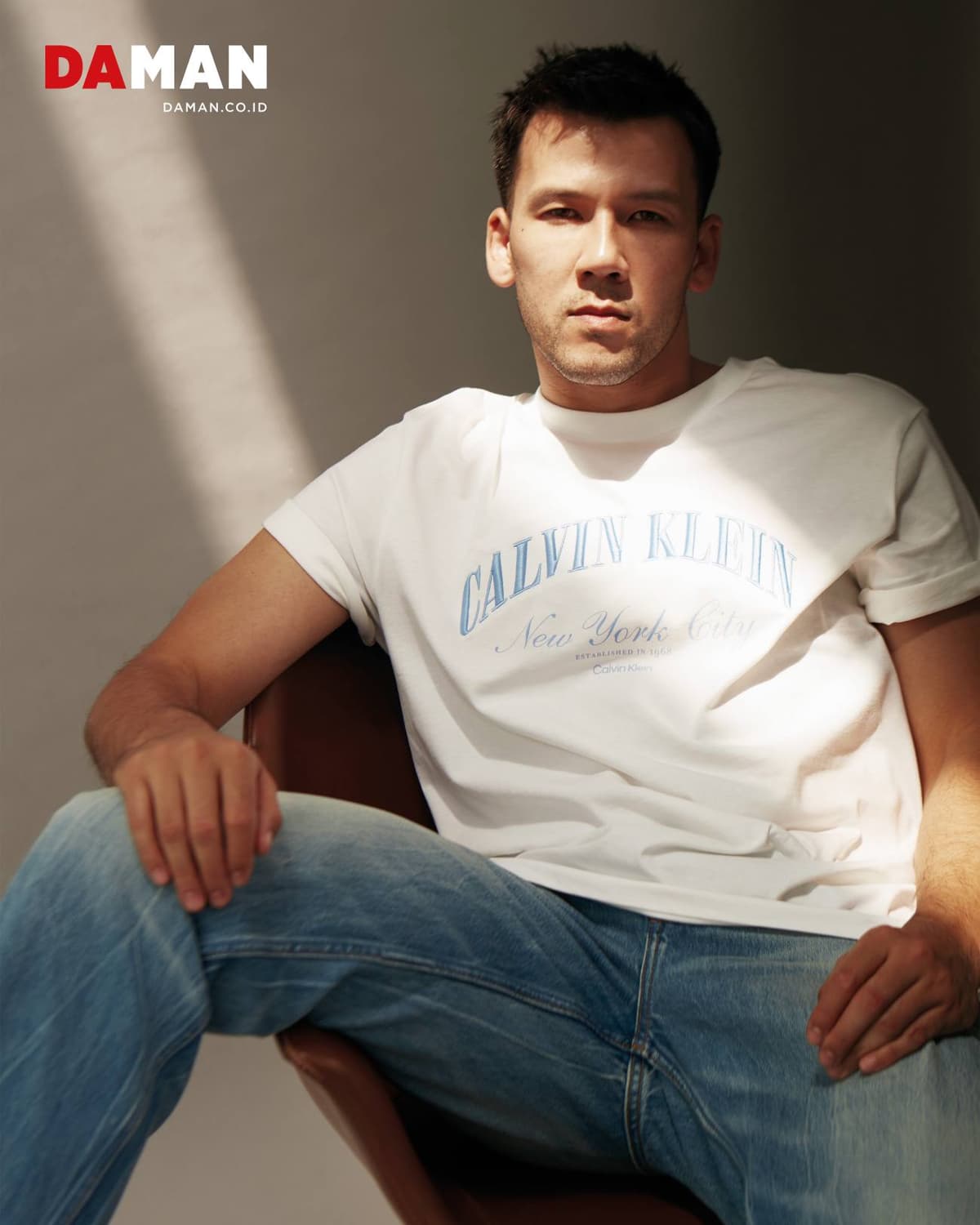
“When he moves, even the hat becomes part of him. It’s not separate anymore. It’s an extension of himself.”
Late-night rehearsals soon became routine. Ludi Lin would call him after hours and the two would head downstairs to the hotel gym, running the choreography again and again in the silence of an empty weight room.
“It almost became like method acting,” Huang laughs.
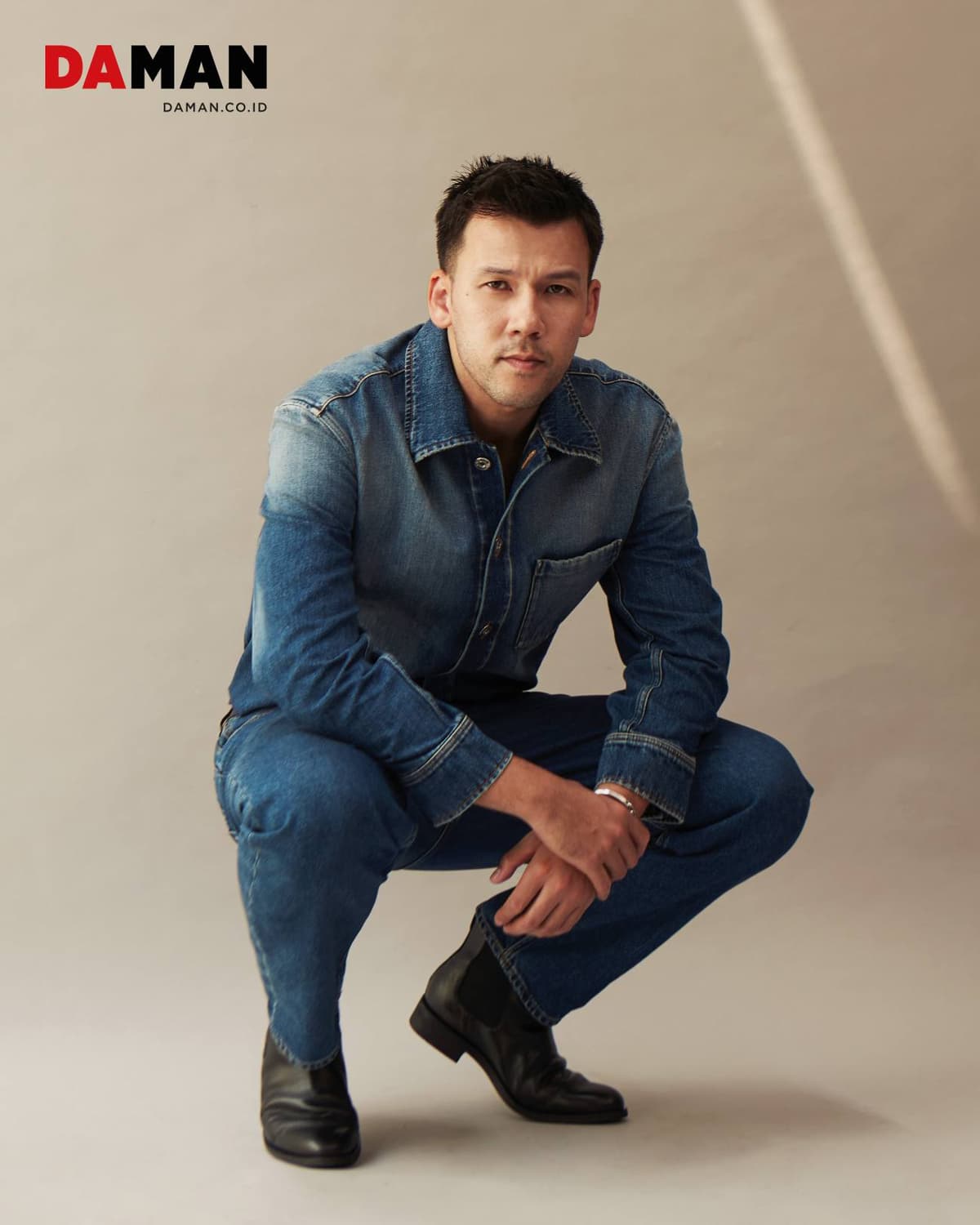
Long before “Mortal Kombat,” though—long before Hollywood—there was a 21-year-old Max Huang riding a train to Berlin with a homemade showreel and an improbable dream. At the time, he had heard that Jackie Chan would be visiting the city to promote “The Karate Kid.”
So he made the trip.
He couldn’t get close enough to hand Jackie Chan the CD himself, but Jaden Smith happened to be signing autographs on the red carpet. Huang handed it to him anyway, expecting nothing from it.
A month later, an email arrived.
Jackie Chan had watched the showreel. He wanted Huang to work on a film with him.
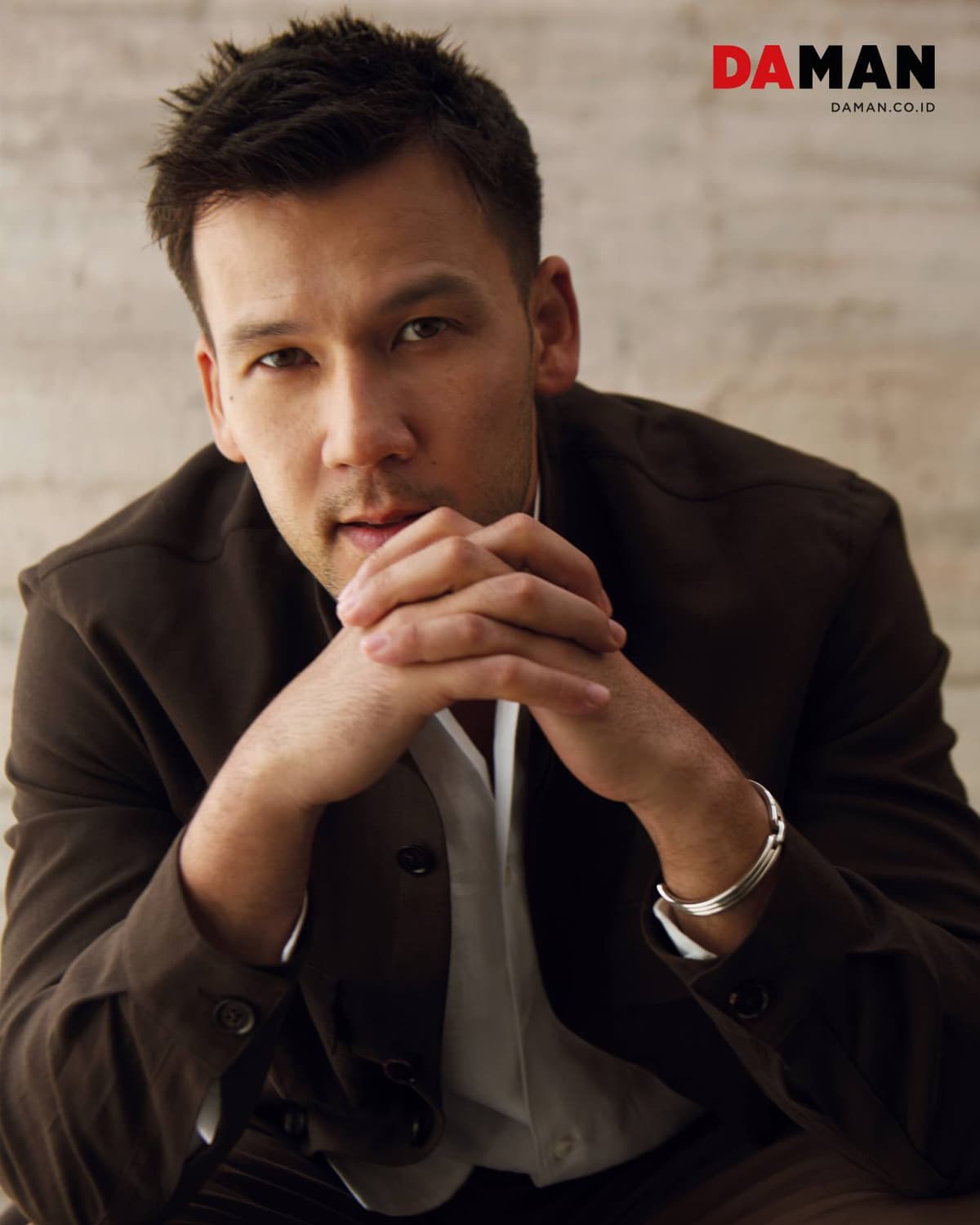
“It felt like suddenly entering a different universe,” Huang recalls. “Now I’m standing next to Jackie Chan, my childhood idol. Even today, whenever I see him, I still feel honored.”
He started from the bottom. In the stunt truck, Huang’s first job involved managing the equipment bags—pads and gear and everything the team needed throughout the day. From there, he climbed steadily: stuntman, stunt double, assistant stunt coordinator and action director. Every rung brought a new education.
“I feel like everything I learned about action filmmaking came from Jackie Chan,” he says. “His mind is constantly thinking about how to elevate action scenes. He knows every trick.”
But perhaps the most important lesson Jackie Chan passed on wasn’t technical. It was philosophical.
“Find your own language,” Huang says, distilling the advice into four simple words. “Find your own style.”
He’s quick to admit that this is far easier said than done and that even now, more than two decades into his career, he’s still figuring it out. What stayed with him most was Jackie Chan’s instinct for reinvention. When imitators flooded the market with comedic kung fu films in the ’80s, Jackie Chan pivoted toward death-defying practical stunts. When others followed again, he changed direction once more.
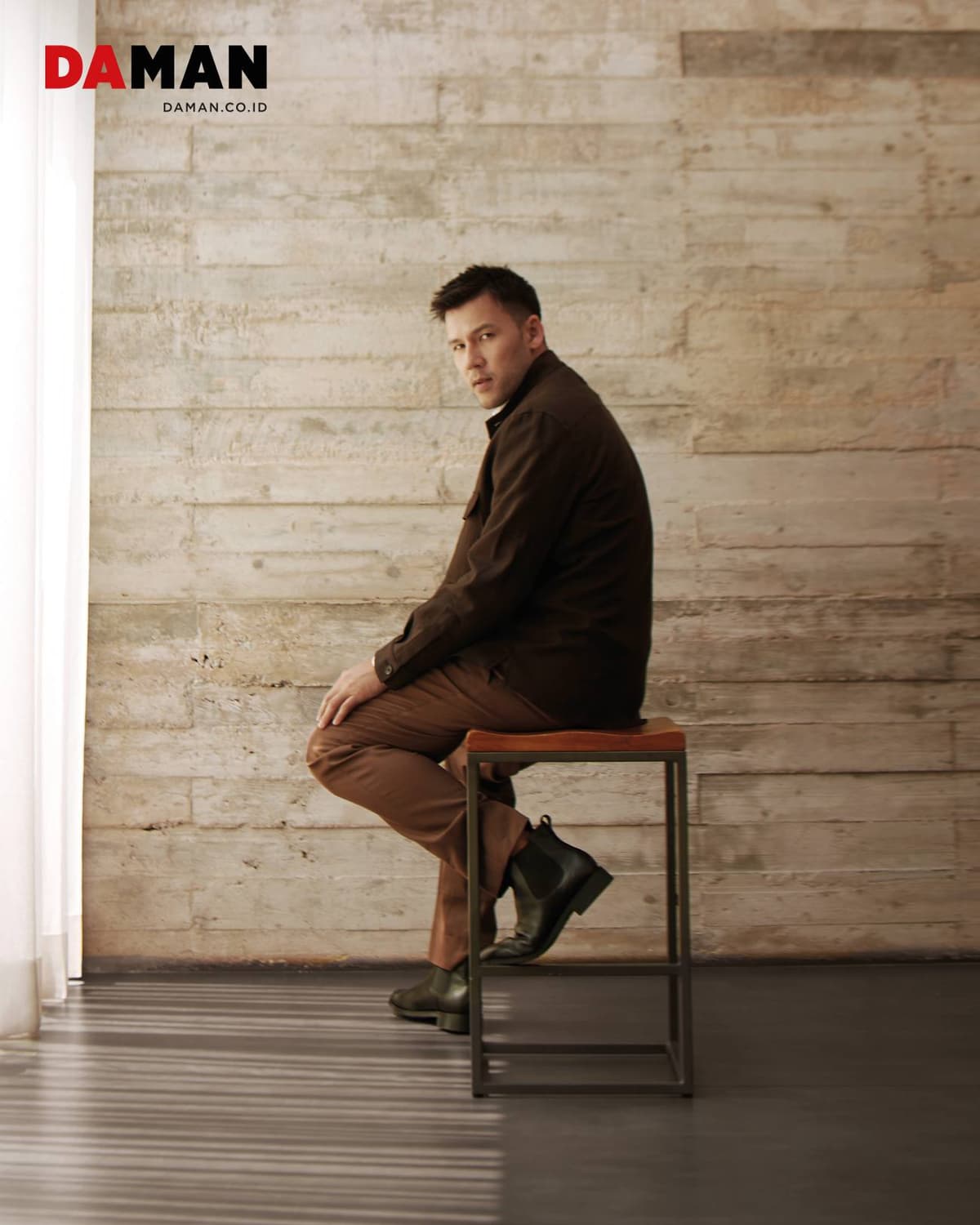
“He always tried to move in a different direction after finding success,” Huang says. “That’s something I learned from him too.”
In many ways, what separates Huang from the conventional action-star archetype is the seriousness with which he approaches martial arts—not simply as combat, but as philosophy.
“I don’t just practice martial arts or stunts. I live it,” Huang explains. “It’s not a hobby. Twenty-four hours a day, my mind is thinking about how to make the next action scene more exciting and how to express the true essence of martial arts. And as a martial artist, I’ve learned that not fighting is actually better than fighting.”
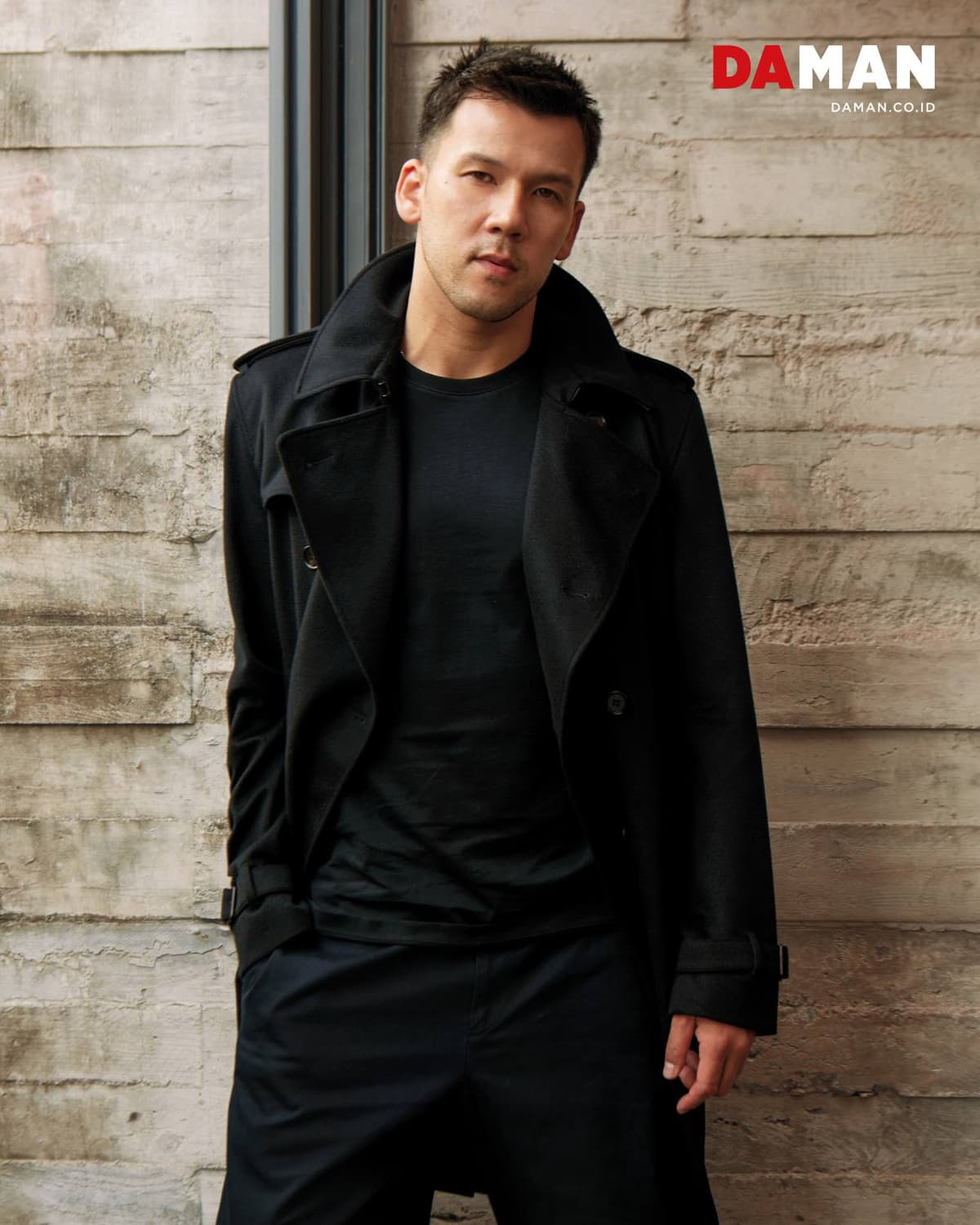
His worldview is deeply rooted in Taoism, in the balance of yin and yang and the coexistence of opposites. It’s a philosophy he applies across every aspect of life: acting and directing, discipline and joy, ambition and reflection.
Huang’s upcoming slate reflects that same creative restlessness. “7 Dogs,” an action-comedy filmed in Saudi Arabia and directed by “Bad Boys 4” duo Adil El Arbi and Bilall Fallah, arrives at the end of May. This time, Huang plays the villain and there’s obvious delight in the way he talks about it.
“I like exploring those kinds of characters,” he says.
Then there’s “Kung Fu Deadly,” a comedy-action hybrid shot in Ireland, which is also currently in the pipeline.
Still, there’s a version of this story where Max Huang comes across as a man perpetually chasing the next mountain—the next role, the next project and the next reinvention. And in some ways, he is.
But toward the end of our conversation, something shifts.
He talks about becoming less serious. About learning to laugh more easily. About slowing down enough to appreciate where he already is.
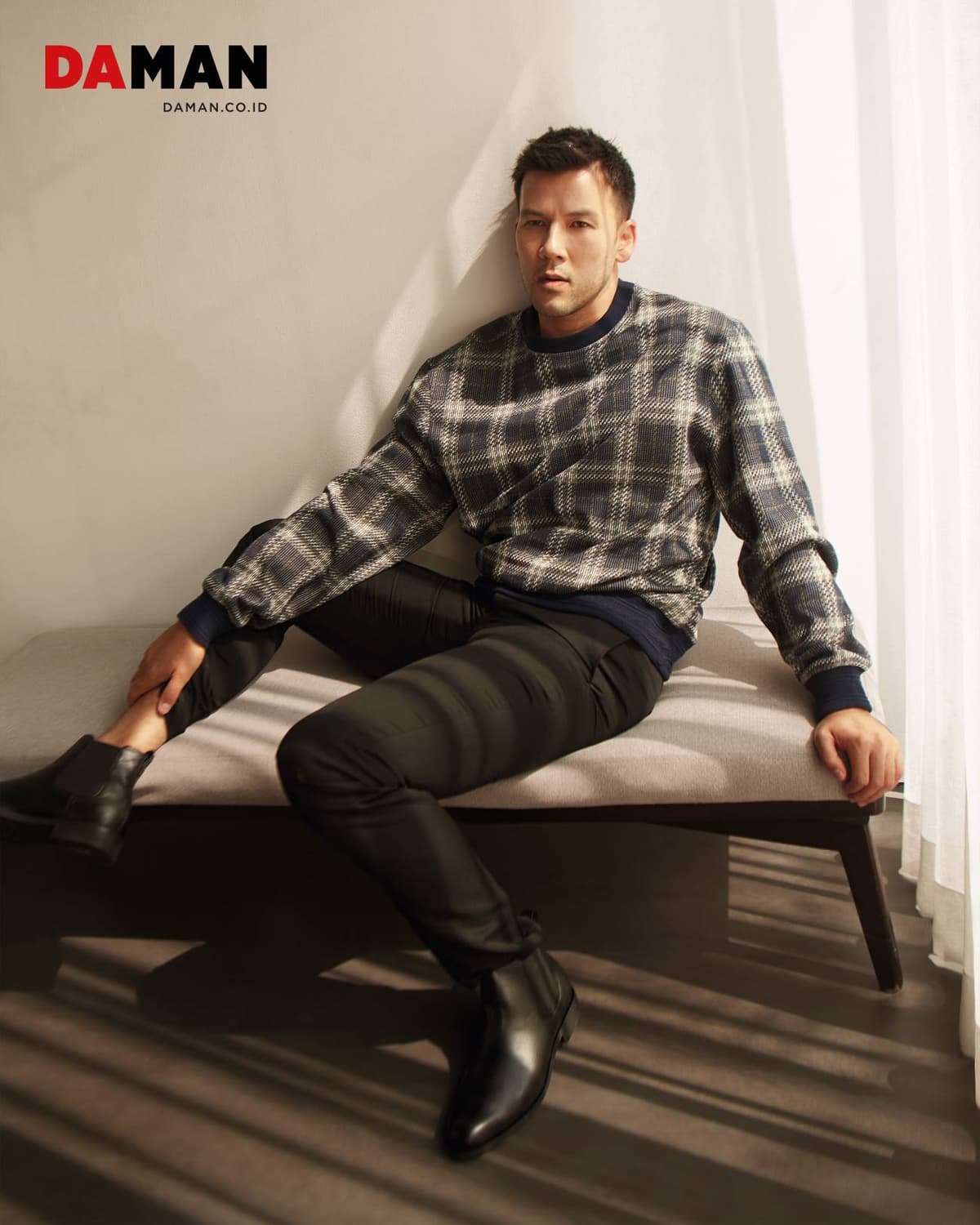
“A couple of years ago, I was always very serious. People used to tell me that all the time,” he says. “But over the past few years, I’ve spent more time reading and reflecting on life. I think I’m learning how to really cherish the moment and just be happy.”
The Jakarta premiere, the goosebumps of witnessing the city host its first Hollywood premiere, the warmth of the crowd and the feeling of being exactly where he was meant to be—it all seems to matter more to him now than whatever comes next.
“You never know what’s going to happen tomorrow,” he says. “So I try not to think too much about the future. Just work hard. Be a good person. And enjoy the moment.”
He smiles and, for a brief second, the stunt coordinator, the action star and the aspiring director all seem to disappear at once, every role and expectation falling away with them. What remains is simply a man who genuinely means every word he says.
And somehow, the silence afterward only makes it resonate more.
Photography Arief Ointoe
Styling Bagoes Abyoso
Grooming Nathania Elora Mae
Styling Assistance Ifa Lathif
Location Studio18 by M W Jl. Kelapa Puyuh Raya, Kelapa Gading Permai No.18 Blok S1, Jakarta Utara, 14240 +62 811-8119-2773