


We delve into the life and career of Julian Works, known for his compelling performances in hit series “9-1-1: Lone Star,” to learn about his versatility on both the silver screen and the music scene
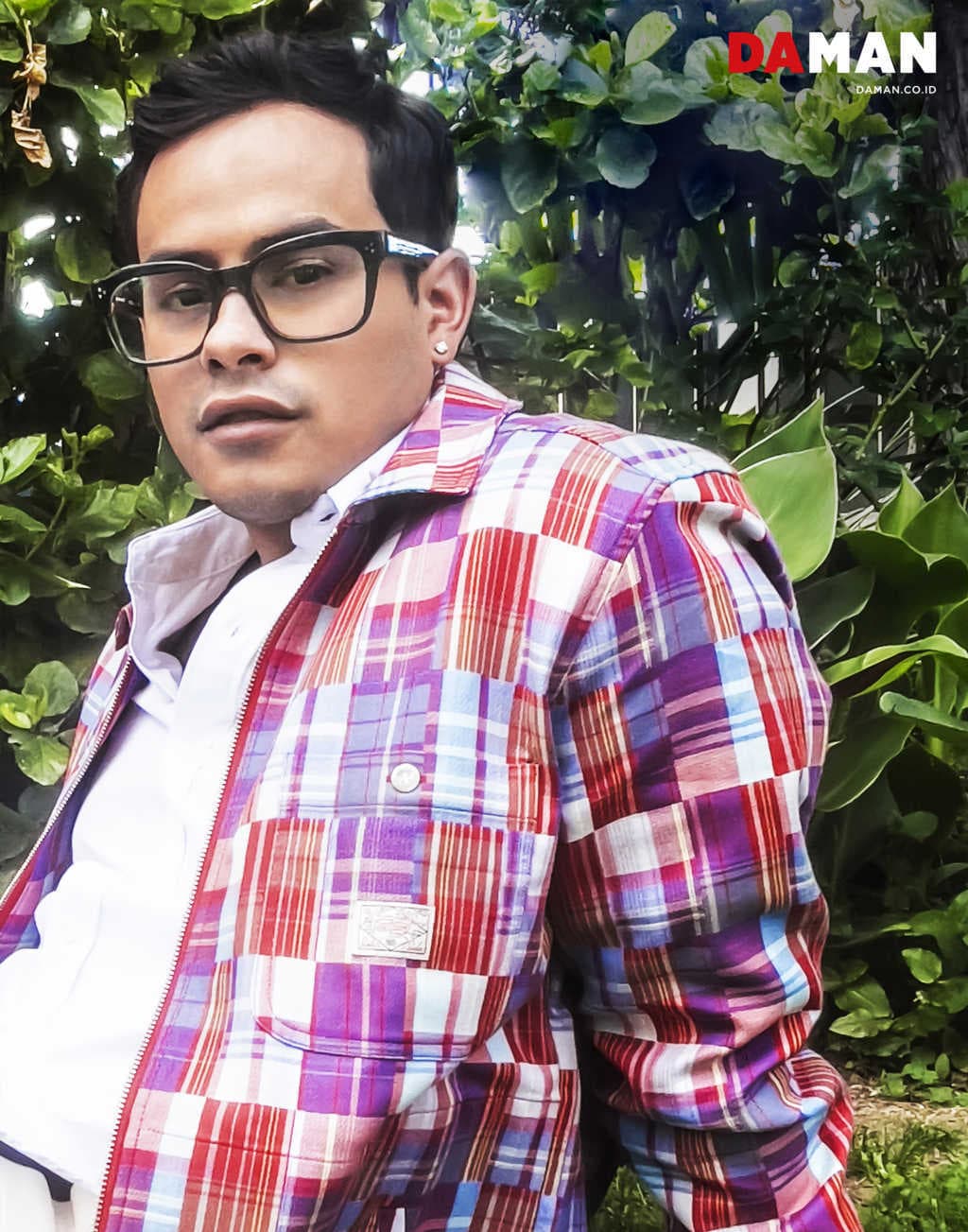
Throughout his career, Julian Works has delivered quite a few memorable performances, including as Angel in Showtime’s “The Affair” and Edgar in the inaugural season of “American Crime.” His most memorable role, however, is definitely as Mateo Chavez in acclaimed series “9-1-1: Lone Star.”
Today, Works continues to make his mark in both film and music. At the same time, he emphasizes the importance of using his platform to inspire and uplift others. Whether advocating for change or sharing stories of resilience through his music, Works strives to make a positive impact on the world.
With his genuine warmth, Works reminds us of the power of art to transform lives and encourages us to embrace the endless possibilities that come with pursuing our dreams.
DAMAN: You’ve appeared in quite a few acclaimed shows and films. Which role has been the most challenging or rewarding for you?
Jullian Works: I would say the role of Joe Trevino in “The Long Game” has been the most challenging since I had to delve deeply into the true history and era of when he grew up and humbly honor the tremendous sacrifices that he overcame along with his triumphs at such an early age.
DA: How do you prepare for new roles, especially when they require skills or experiences outside of your comfort zone?
JW: I tend to do extensive research for any role that I commit to embody. For my current role on “9-1-1: Lone Star” where I play firefighter Mateo Chavez, for example, I not only prepare the text and dialogue of the character, but his mannerisms, speech patterns, humor and vulnerabilities. I also get into a strict diet and exercise regimen. Full preparation is a trifecta of mind, body and emotion.
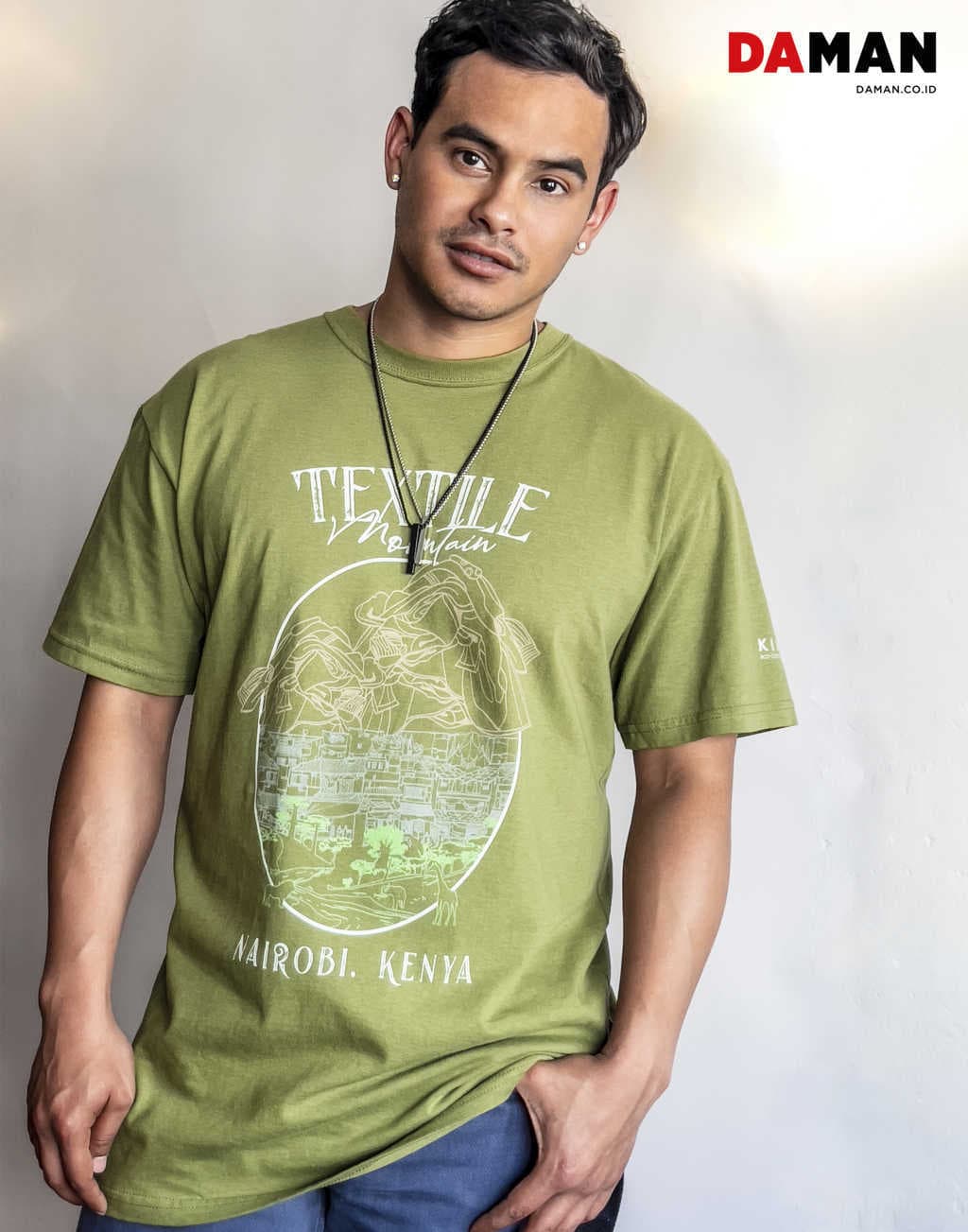
DA: What do you enjoy most about being on set?
JW: I enjoy the creation and development of any character I play, from the moment I arrive to set and get into wardrobe, to the moment I’m in front of the camera and I hear “action.” Working alongside other talented actors and great directors is also something that inspires and motivates me. At the end of the day, having a team of creatives working towards the same goal of telling a particular story is what is most important in both film and television. And I enjoy being a part of that on-set process.
DA: Let’s talk about your latest film, “The Long Game.” How did you connect with the character of Joe Trevino? Were there aspects of his story or personality that you found particularly relatable?
JW: The late Joe Trevino was a very honest man who wore his heart on his sleeve. You knew where you stood with him at all times. He grew up during an era when friendship and loyalty meant everything, especially within the oppressive society in which he lived in the 1950s as a Mexican-American in South Texas. The brotherhood and camaraderie he and his teammates had, who also happened to be his childhood friends, is something to which I wholly relate to. I, too, have had the grace and good luck to have a tight-knit group of childhood friends, including my own brother. Joe and his friends were a family. They confronted mighty obstacles together and celebrated their wins, both on and off the golf course. They are an inspiration to Latinos and all minorities, but really to all young Americans who believe in hard work, teamwork and perseverance.
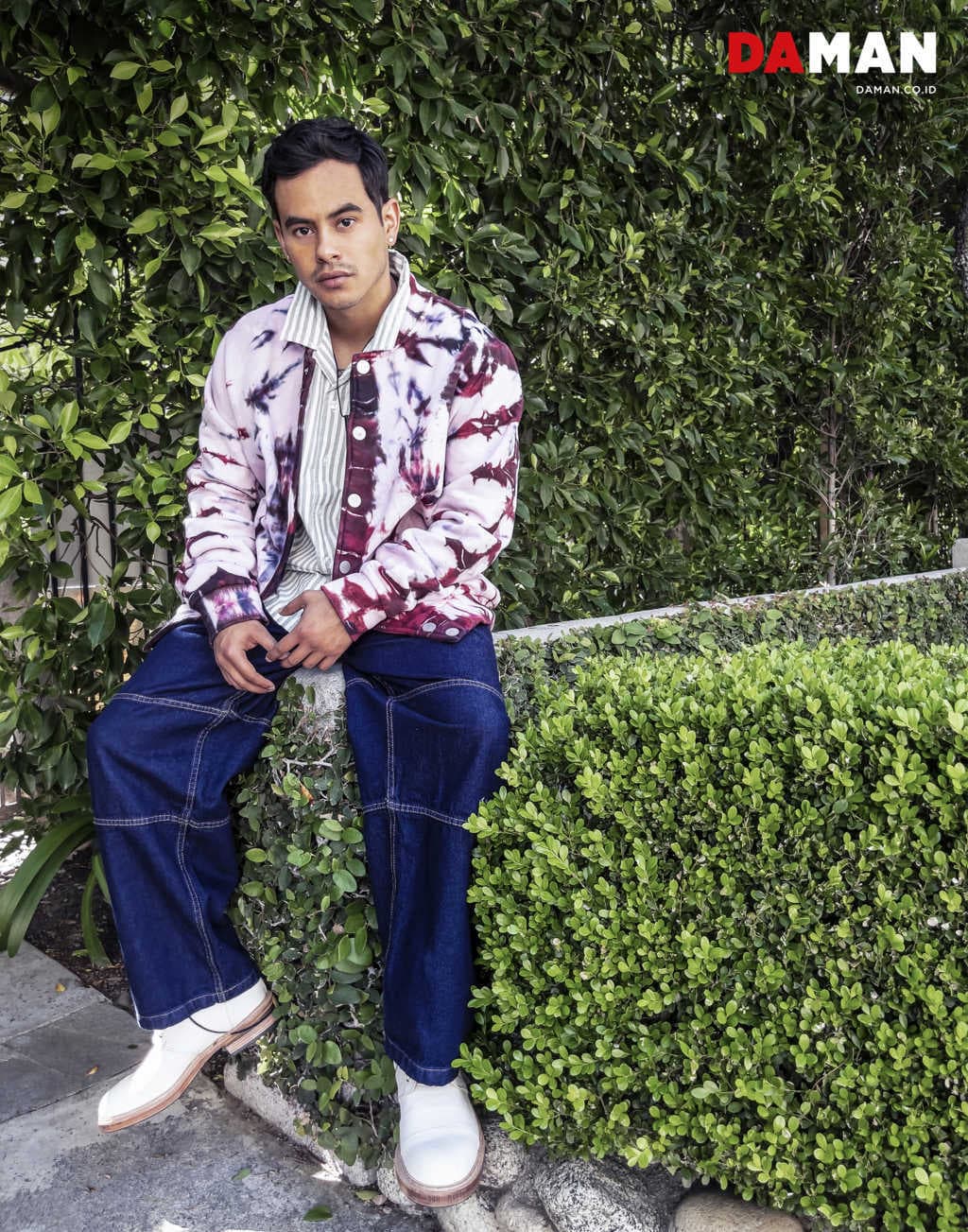
DA: Since the film is centered around golf, did you have to learn to play for the role? How did that process go?
JW: I was already an avid golfer when I heard about the film, and when I read the script, it only furthered my enthusiasm for the project. As soon as I landed the role, I upped the frequency of my visits to the golf course and the awesome producers hired an expert to help us improve our swings for the camera. My golf game has definitely improved tremendously since then!
DA: What was it like seeing “The Long Game” premiere at the SXSW festival and winning the Audience Award?
JW: Going to SXSW was a dream come true. It was my first time attending the festival and it was everything I had expected and more: From the quality films that screened there and the incredible cast and creative teams behind them to the press junkets, sponsorship activations and the phenomenal theatres. Having “The Long Game” premiere at the grand Paramount Theatre in the middle of Downtown Austin and being there with the entire cast, our director and production team, along with a few of the members of the original golf team portrayed in the film, was an experience I will never forget. The audience was deeply engaged and loved the film.
DA: What did you learn from your experience working on “The Long Game” that you will carry forward in your career?
JW: I learned that having talent only goes so far in almost any profession, but especially as an actor and performer. Joe Trevino and his teammates had talent, but they needed the help of brilliant coaches who believed in them, fought hard to get them all the tools and resources they needed to compete and were with them every step of the way until they won. A career in Hollywood is similar: You need a great team behind you to keep you motivated, advise and guide you, and to ensure success for the long haul.
DA: Can you share any updates on the filming of ”9-1-1: Lone Star” season five?
JW: We are roughly in the middle of filming season five as we speak! It’s going amazingly well. The cast is all looking forward to the premiere this fall after such a long hiatus. I think fans of the show will be very pleased with what the Station 126 team has in store.
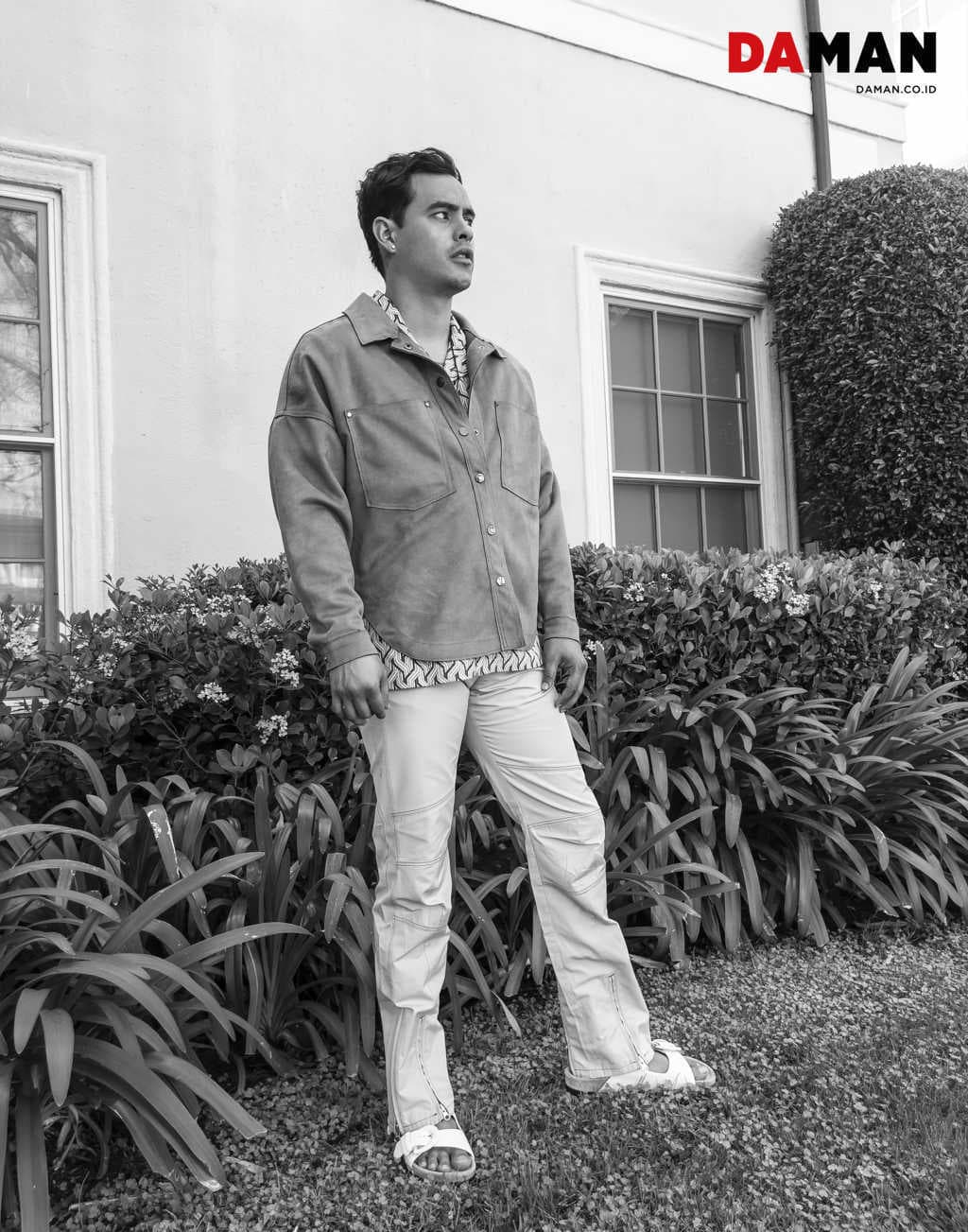
DA: How will Mateo’s storyline evolve in season five?
JW: Mateo’s story has definitely evolved, but there’s unfortunately not much I can say about it except that there’s more of Mateo and Nancy in the season’s storyline. Stay tuned!
DA: Can you tease any exciting moments or surprises that viewers can look forward to in season fove of “9-1-1: Lone Star”?
JW: Without giving anything away, stay tuned for new and big climate events, explosions, amazing rescues and the evolution of new and old relationships.
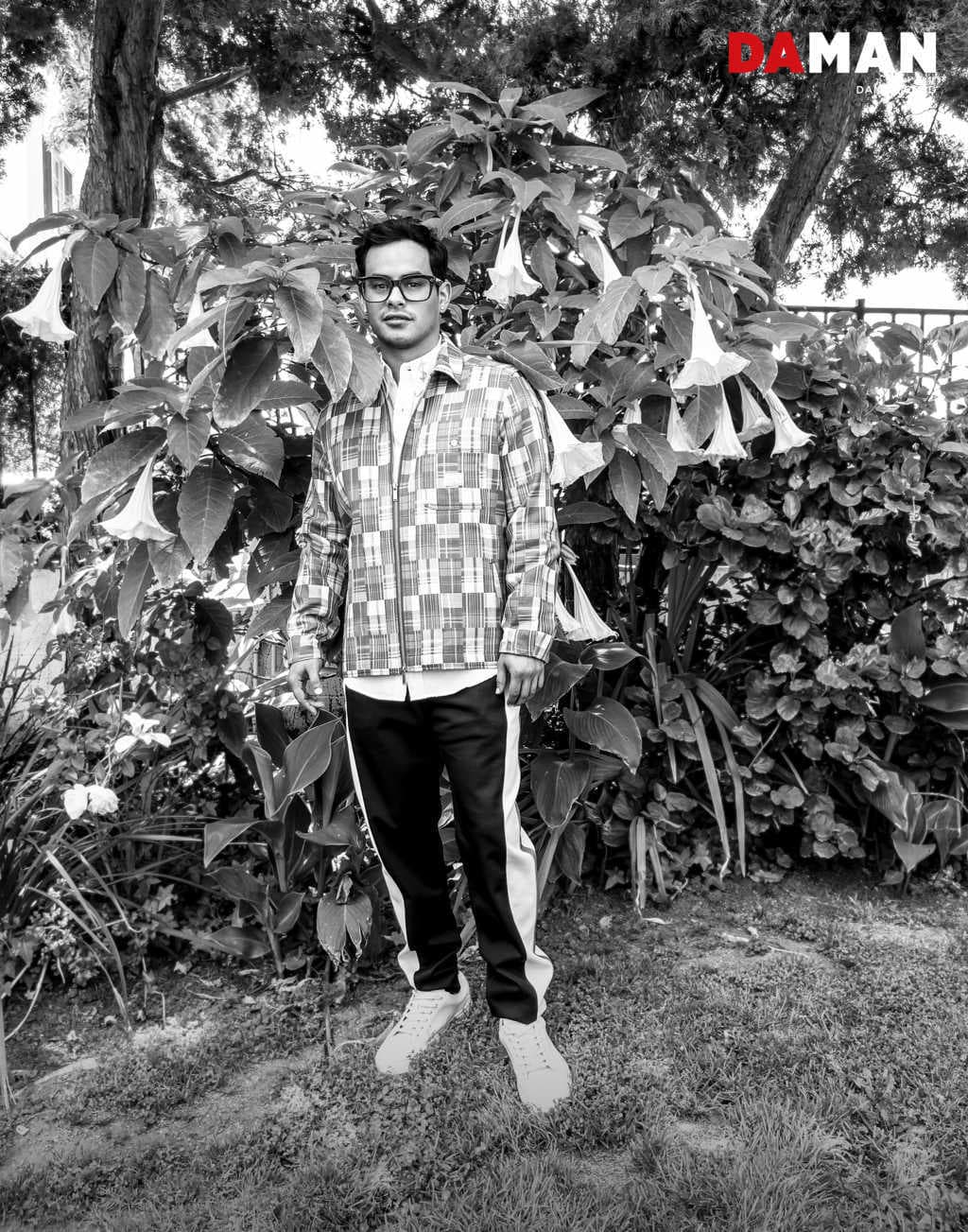
DA: Let’s talk about your music. What are your main musical influences and how would you describe your style of hip hop?
JW: My taste in music is wide. From Frank Sinatra, Elvis, The Beatles, Bee Gees, Michael Jackson, Bowie and Dr. Dre, to Tupac, Eminem, Adele, Kings of Leon, Nipsey Hussle and Drake. My style of hip hop is a combination of old and new school beats and sounds, but with a heavy emphasis on my lyrics.
DA: And how do you incorporate your personal experiences and background into your music?
JW: Most of my music contains elements of my life and experiences that I’ve lived through. I am quite deliberate with what I choose to share from my past and I incorporate what I’m feeling into any given song. I find that honesty and vulnerability are fundamental to a great song. Hip hop tends to have a lot of the former, but not much of the latter.
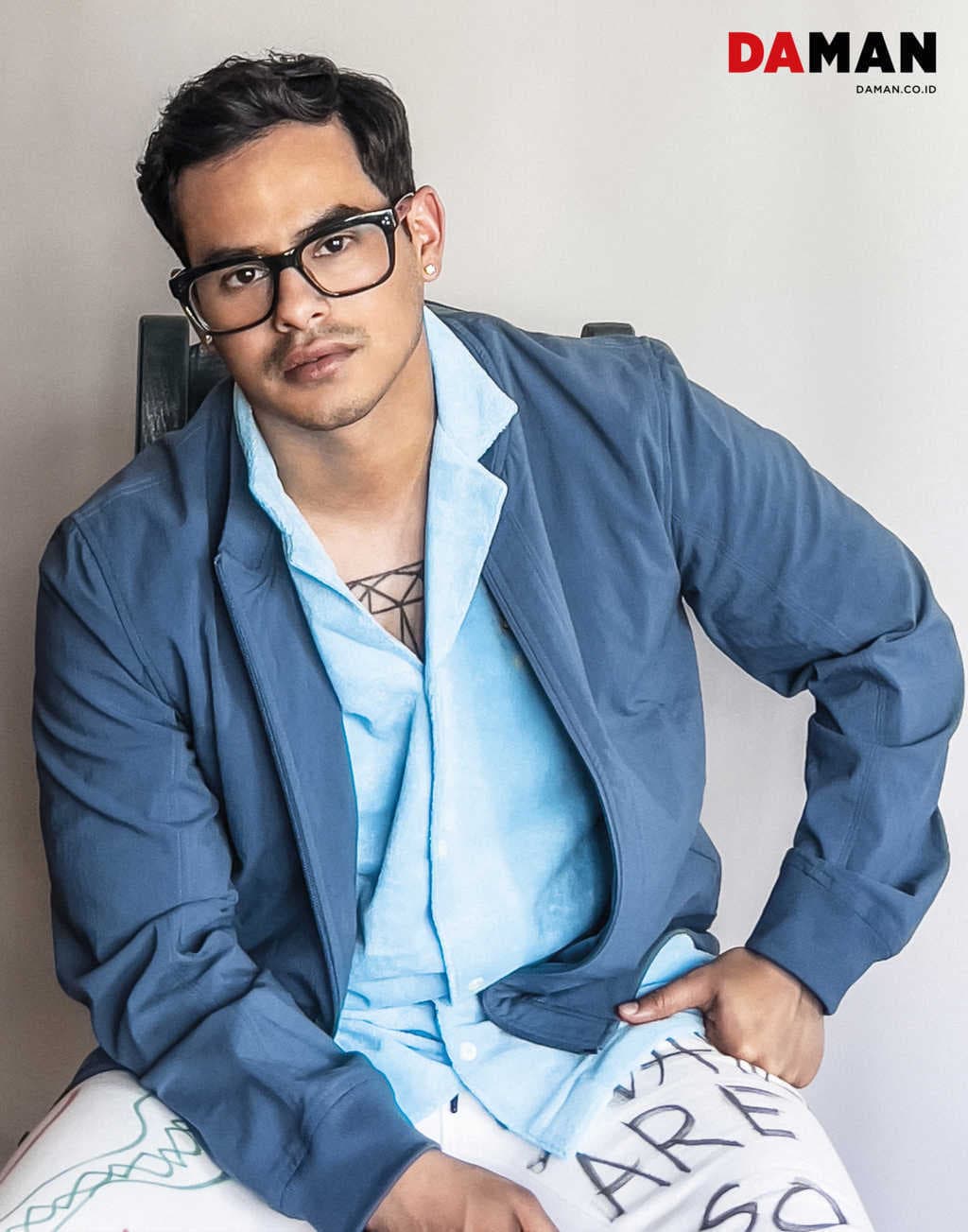
DA: Last question … how do you balance your acting career with your musical pursuits?
JW: When I’m preparing a role and working on the set of a film or TV show, I am strictly focused and give it my utmost attention. Music is not just a passion; it’s a medium that requires me to be inspired so I can give it my all. Because of that, I have to wait for the right time, to have something to say, organize my ideas and go into the studio to record. Simply put, balance requires inspiration and motivation so that I can execute my artistic vision to completion.
Photography & USA Fashion Director Kimberly Yvette Goodnight
Styling Stephanie Gutierrez
Grooming Colleen Dominique for Exclusive Artists using Church California
Production Media Playground PR
Casting/USA Creative Director/ Correspondent Editor Mitch
Talent Julian Works