


Somewhere between international film festivals, grueling physical transformations and the anticipation of fatherhood, Angga Yunanda speaks with Joezer Mandagi about entering a new phase of life—one defined less by momentum than by meaning
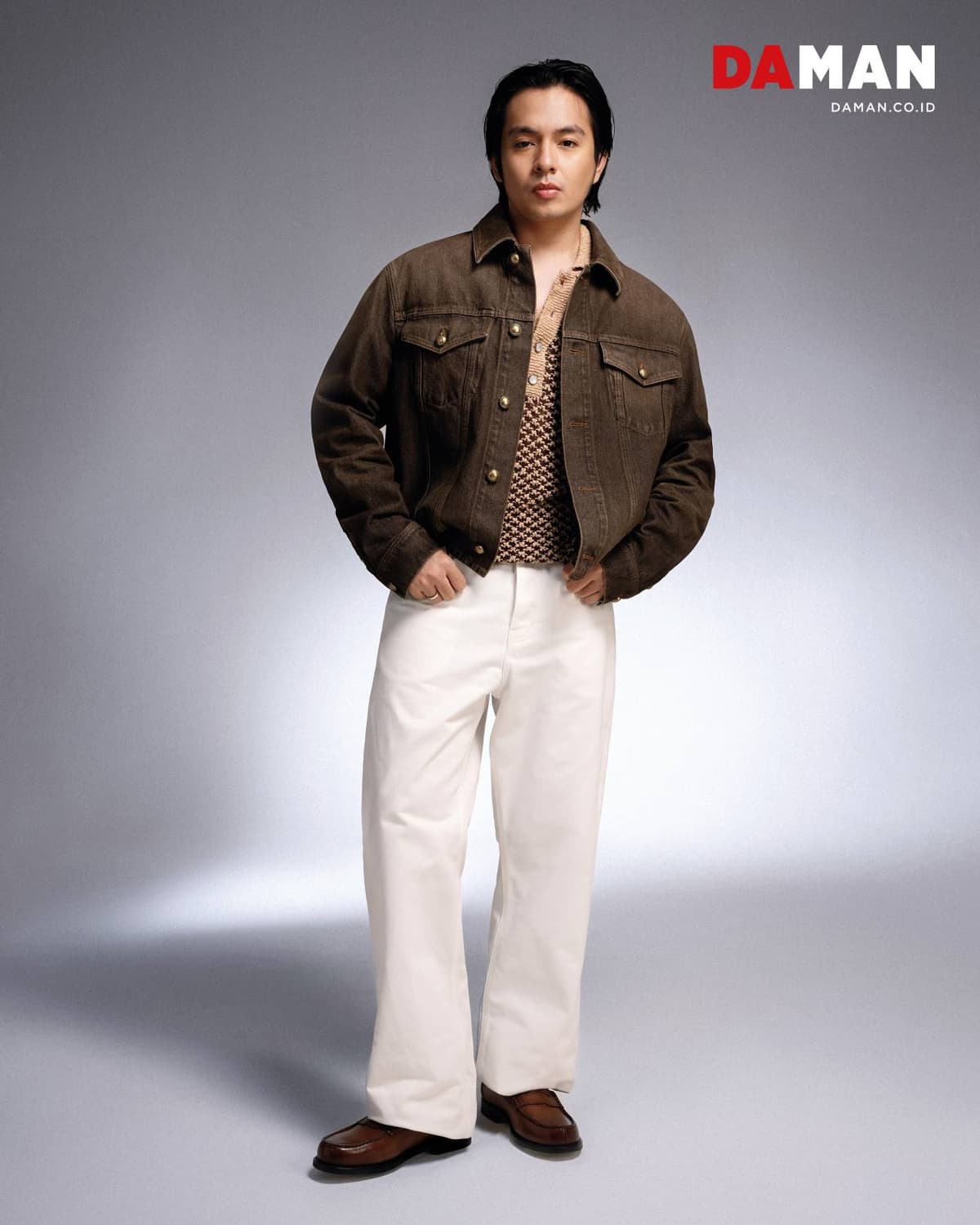
Five years ago, when DA MAN first spoke with Angga Yunanda, he was still navigating the exhilarating uncertainty of being Indonesian cinema’s fast-rising new face. The ambition was visible and so was the upward trajectory. Today, the energy feels different. More grounded, perhaps. Less concerned with acceleration than intention.
“The biggest change,” he reflects, “is the way I see acting itself. Back then, it felt more like a livelihood. Now, it feels like a spiritual journey.”
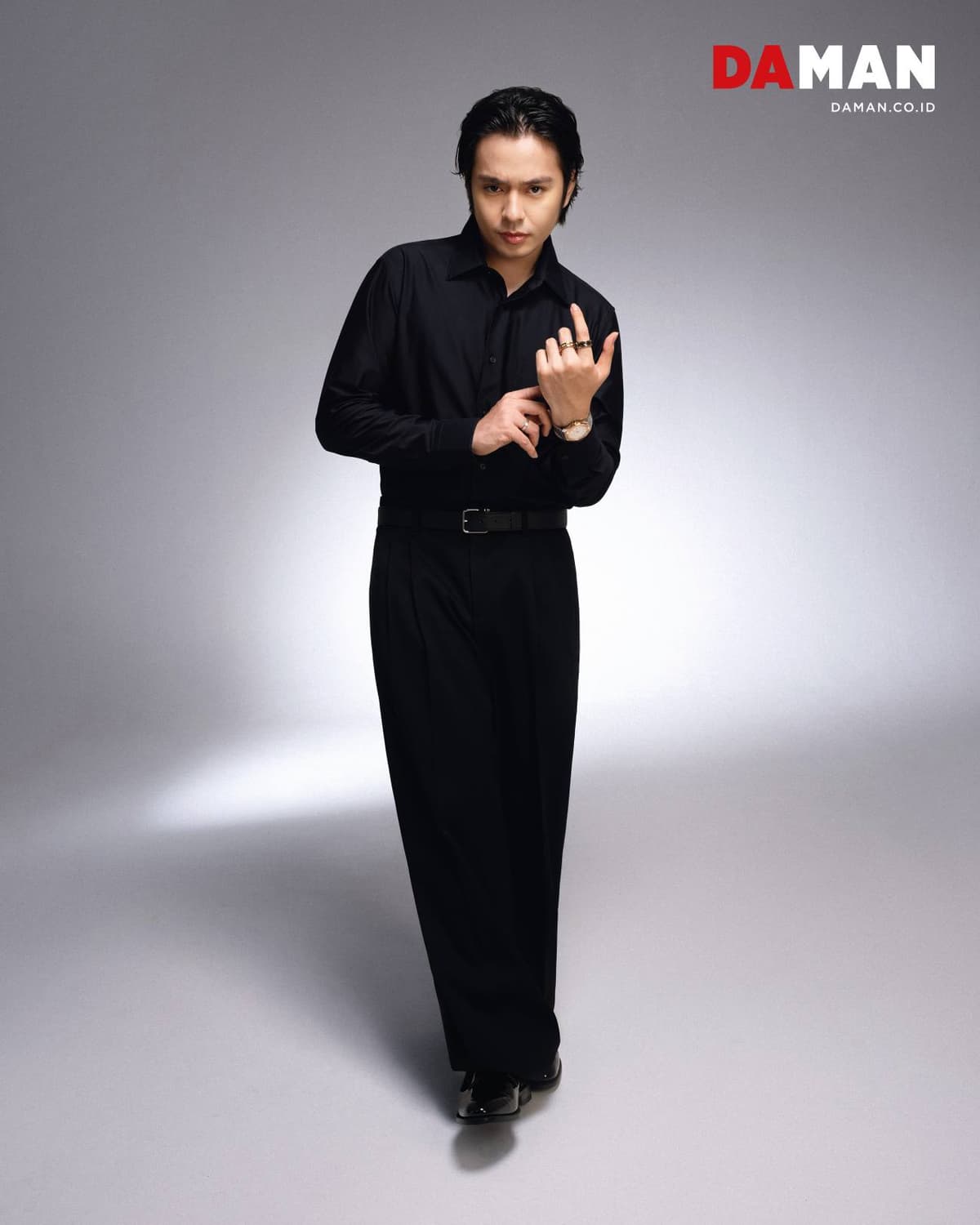
Back then, [acting] felt more like a livelihood. Now, it feels like a spiritual journey
It is not the kind of answer one expects from an actor still in his twenties, particularly one whose career has continued expanding at such speed. Since that earlier conversation, Yunanda’s work has carried him onto increasingly global stages, including Busan and Sundance, while his performances have grown more daring in both scale and emotional complexity. Yet these days, what occupies him most is not visibility, but depth: the process behind the work, the emotional excavation beneath a character and the perspectives that filmmaking continues to open within him.
“I used to think filming was just filming,” he says with a quiet laugh. “Now I actually love the process more than anything.”
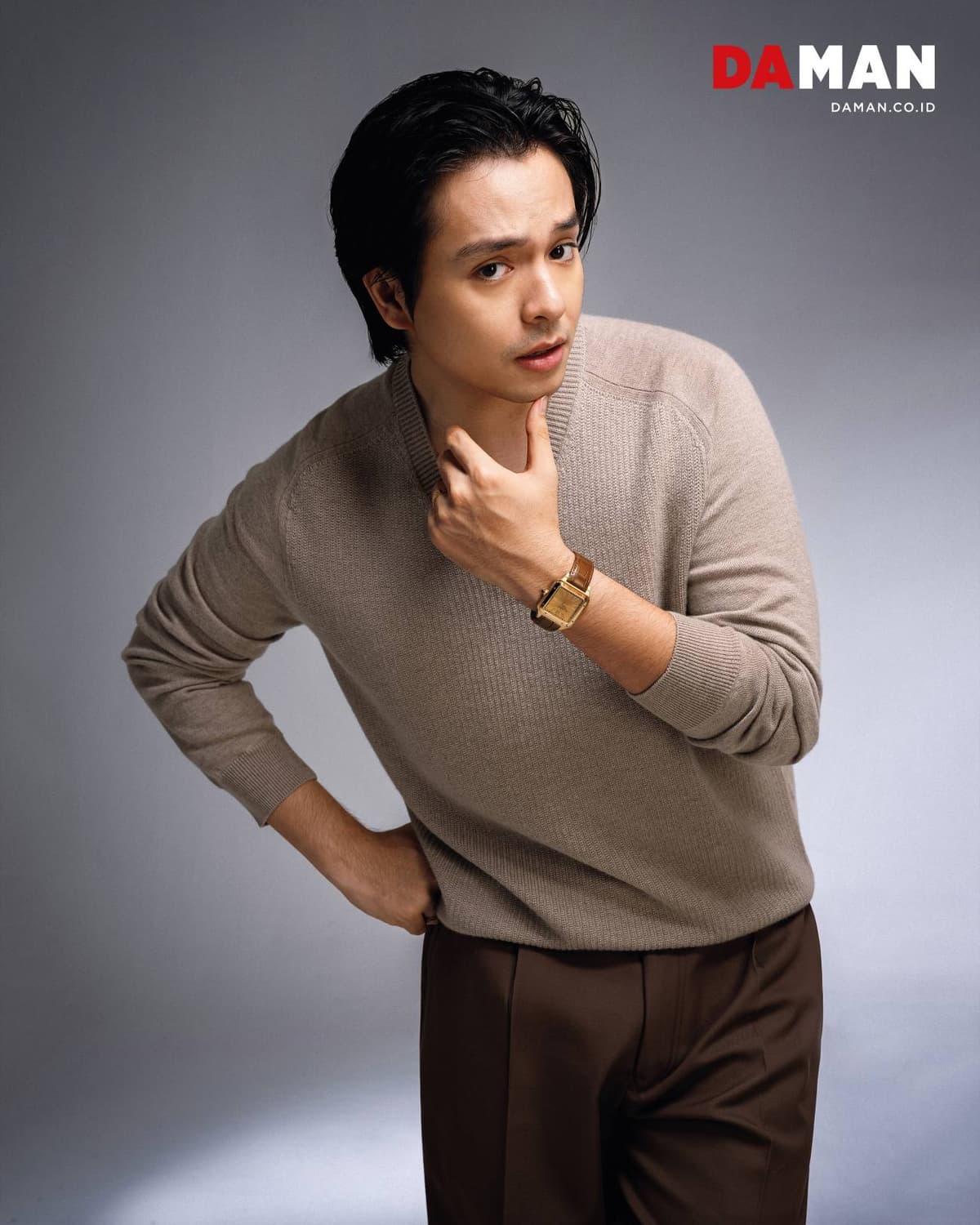
I used to think filming was just filming. Now I actually love the process more than anything
That evolution finds perhaps its clearest expression in “Para Perasuk” (internationally titled “Levitating”), Wregas Bhanuteja’s haunting supernatural drama that has become one of the most significant projects of Yunanda’s career thus far. Set in a remote Indonesian village guarding a sacred spring believed to sustain its spiritual balance, the film uses folk horror as a lens to examine greed, modernization and the erosion of communal values. At the center is Bayu, a spiritually gifted young man torn between protecting his community and escaping the poverty that confines it.
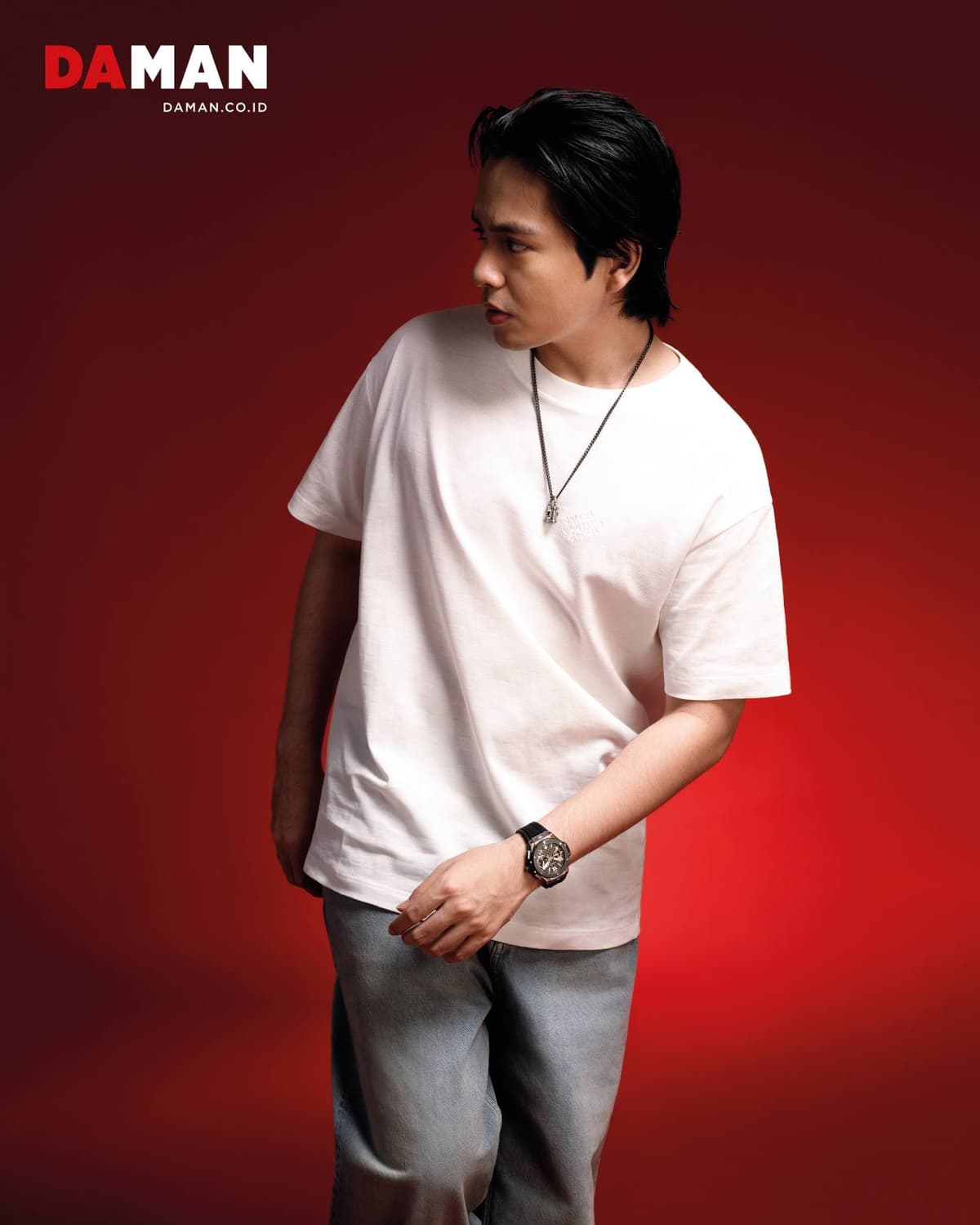
For Yunanda, the role demanded a kind of surrender he had never experienced before.
One of Bayu’s defining traits is his physicality. As a “Perasuk”—someone capable of becoming possessed by spirits—his body functions almost like a conduit between worlds. Throughout the film, Yunanda contorts, crawls and convulses through scenes that feel less choreographed than instinctive. The performance strips away any lingering traces of polished leading-man vanity, replacing it with something rawer and deeply unsettling.
To prepare, he underwent roughly three months of intensive workshops focused on movement and body control, followed by a production process that stretched close to six months in total.
“I’m actually quite stiff as a person,” he admits. “So, one of my biggest fears was whether I could move that freely. During the workshops, I realized there are no limits in movement. You have to let go of your thoughts and allow your body to move on its own.”
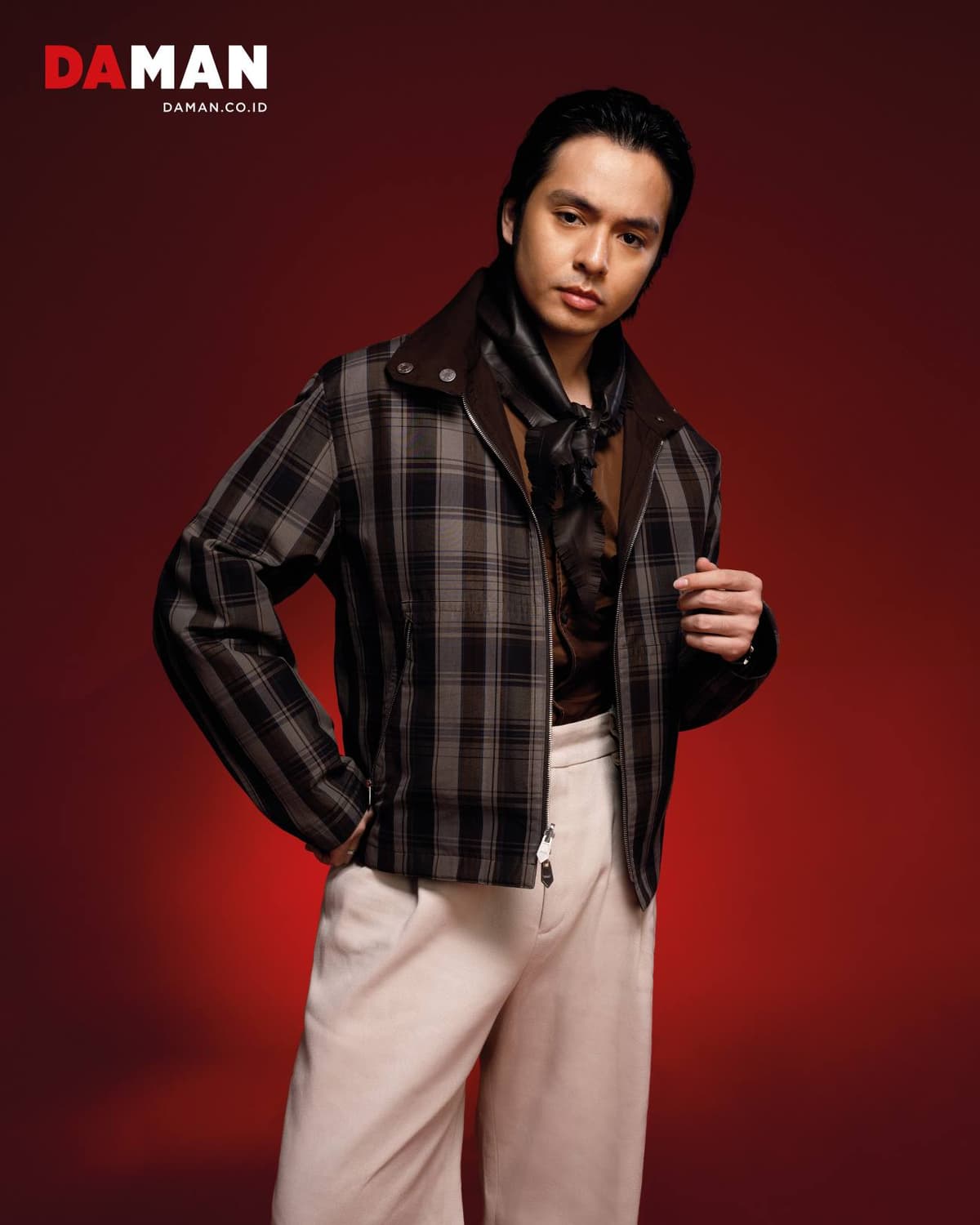
That physical exhaustion, he says, ultimately became essential to understanding Bayu psychologically. Crawling across asphalt, stone, dirt and leaves was punishing, but the fatigue helped him connect to Bayu’s deteriorating state of consciousness.
The experience also reshaped the way he thinks about collaboration.
When discussing “Para Perasuk,” Yunanda repeatedly returns to Wregas Bhanuteja—not merely as a director, but as a creative partner. The two spent months dissecting Bayu together, shaping everything from his speech patterns to his physical gestures. During the first script reading, Yunanda found himself unexpectedly emotional.
“I cried,” he says simply. “From around the first third of the script until the ending.”
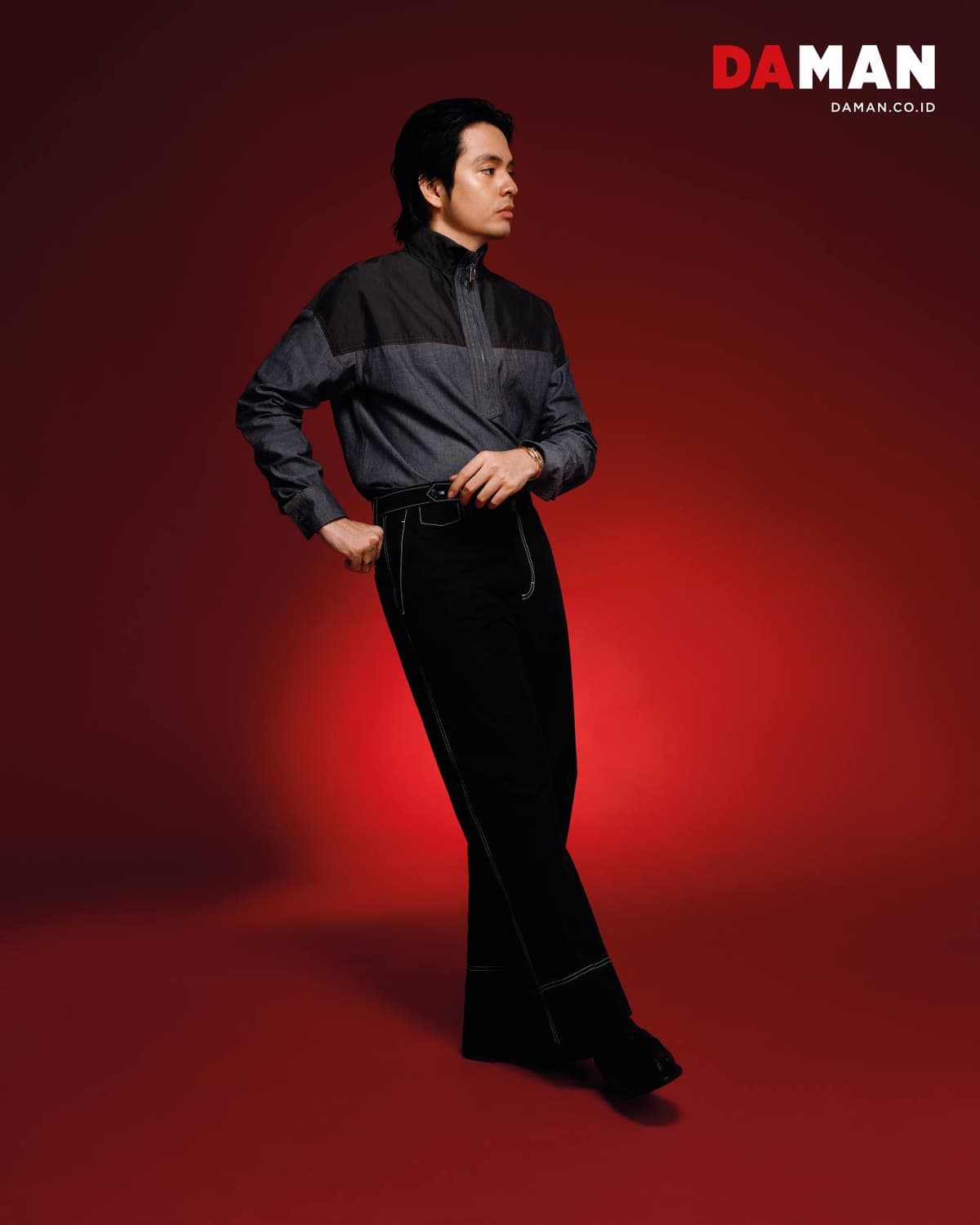
Part of that reaction came from recognizing how deeply personal the story felt for Wregas himself. Beneath its supernatural framework, “Para Perasuk” carries a larger meditation on modern Indonesia: the tension between tradition and industrial ambition, between communal responsibility and personal escape. Bayu’s betrayal cuts particularly deep because it corrupts the spirit of gotong royong—Indonesia’s longstanding philosophy of collective cooperation—in pursuit of individual gain.
For international audiences unfamiliar with Indonesia’s trance rituals and spirit-possession traditions, the film arrived as something revelatory rather than exoticized. Yunanda admits he initially worried about how viewers at Sundance would respond to a story so rooted in specifically Indonesian cultural realities.
“I was nervous because the cultural differences are very obvious,” he says. “A lot of people outside Indonesia might not be familiar with the way we communicate or the traditions we have.”
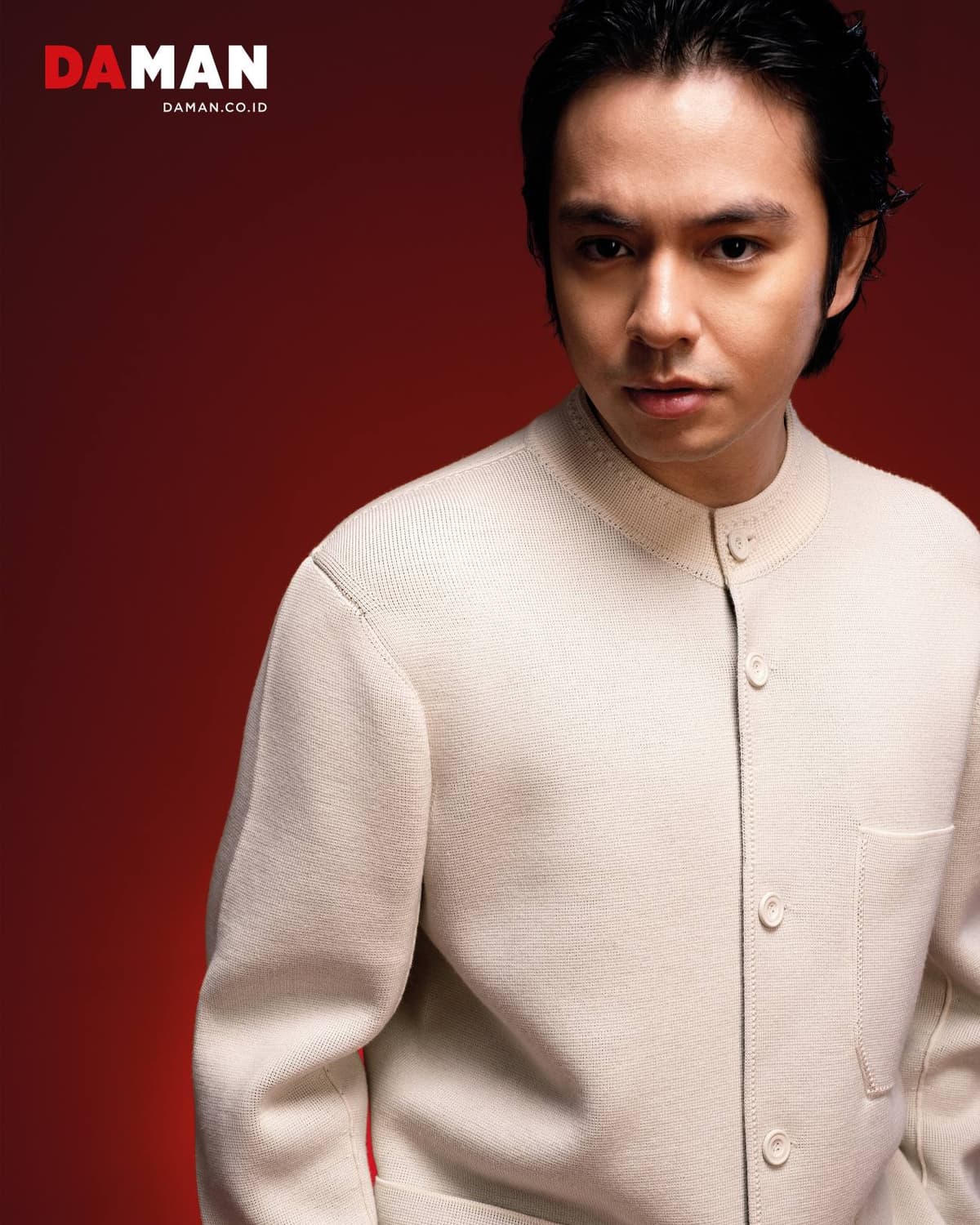
Instead, the response became one of the most affirming moments of his career.
“They were genuinely curious,” he recalls. “And that’s what I loved most. It opened new perspectives for people about Indonesia.”
There is a noticeable pride in the way Yunanda speaks about Indonesian cinema now—not defensive, nor overly nationalistic, but quietly assured. Rather than diluting cultural specificity for global audiences, he believes Indonesian filmmakers should continue digging deeper into the textures, contradictions and spiritual dimensions unique to the country itself.
“There’s still so much we can explore,” he says. “So many things that deserve to be shared with a wider audience.”
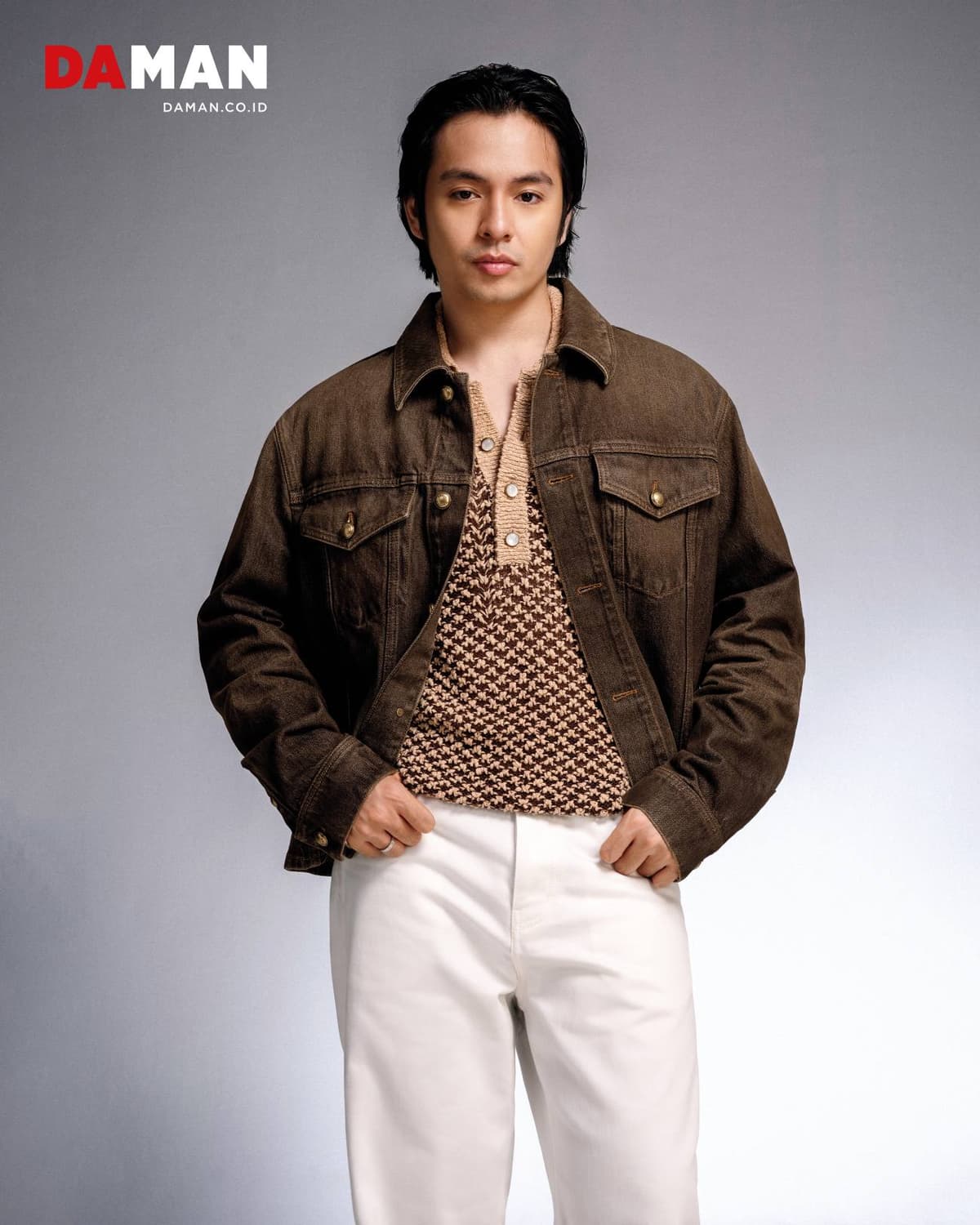
Yet even amid increasingly international recognition, the conversation eventually circles back toward something far more intimate.
In “Para Perasuk,” the village’s sacred spring functions as both literal water source and spiritual lifeline—something worth protecting at all costs. Asked what his own “sacred spring” might be in real life, Yunanda pauses before answering with unexpected softness.
“Love,” he says. “The love between me and my small family now—Shenina and our child, who will be born soon.”
Fatherhood, it seems, has shifted his perspective in ways even career milestones have not. Throughout the conversation, he speaks less about the excitement of becoming a parent than the responsibility of preserving closeness within an increasingly public and fast-moving life.
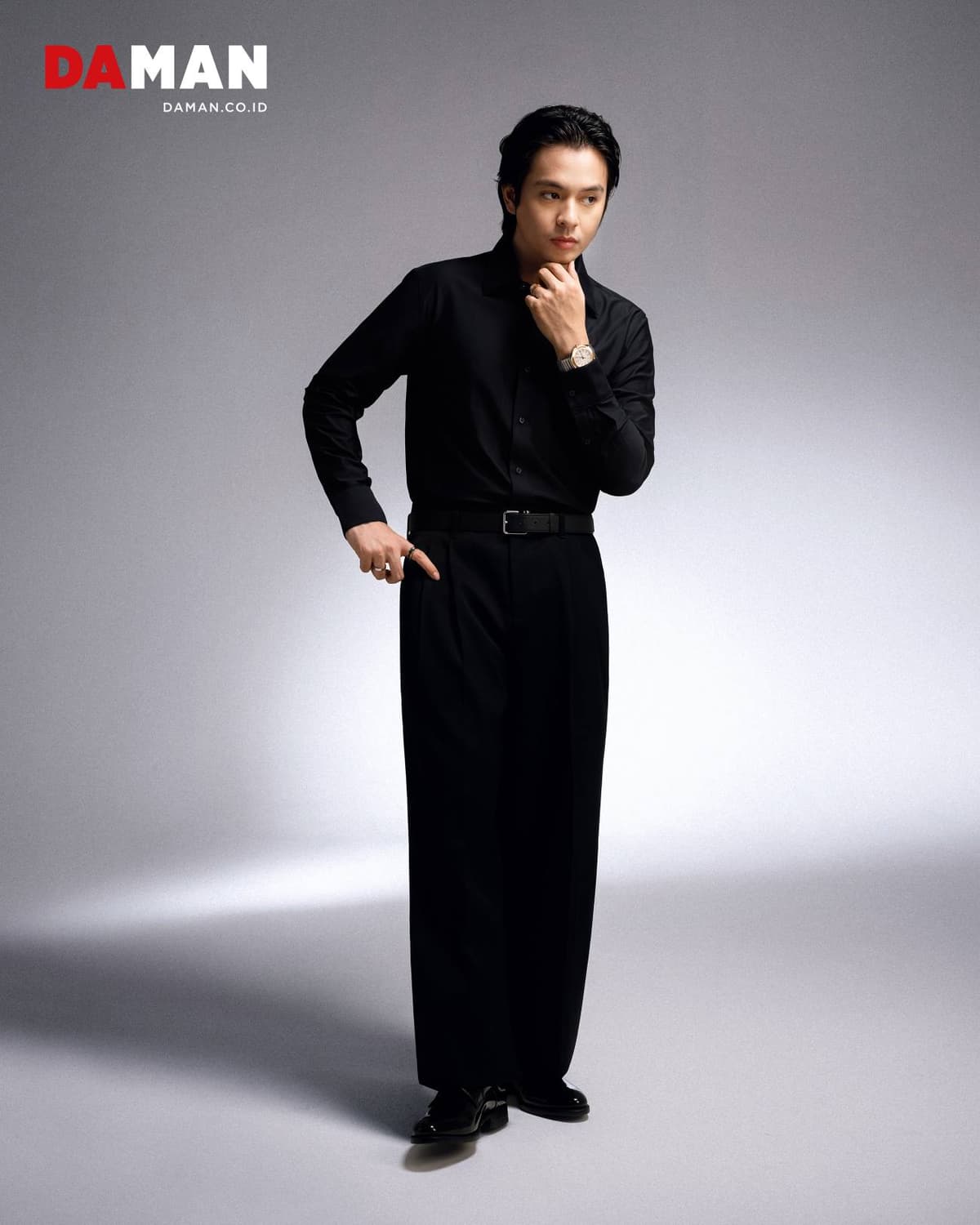
“I always want us to keep the spark,” he says. “People say that over time, work and responsibilities can slowly create distance between two people. Since the beginning, Shenina and I have always talked about how we can protect that closeness, even after our child is born.”
That instinct toward protection also extends to privacy. While both he and his wife exist firmly within public view, they have already discussed creating distance between their future child and the constant visibility that comes with celebrity.
“Our child may not want the same life as us,” he says thoughtfully. “So, for now, we want to keep things private until we understand who they want to become.”
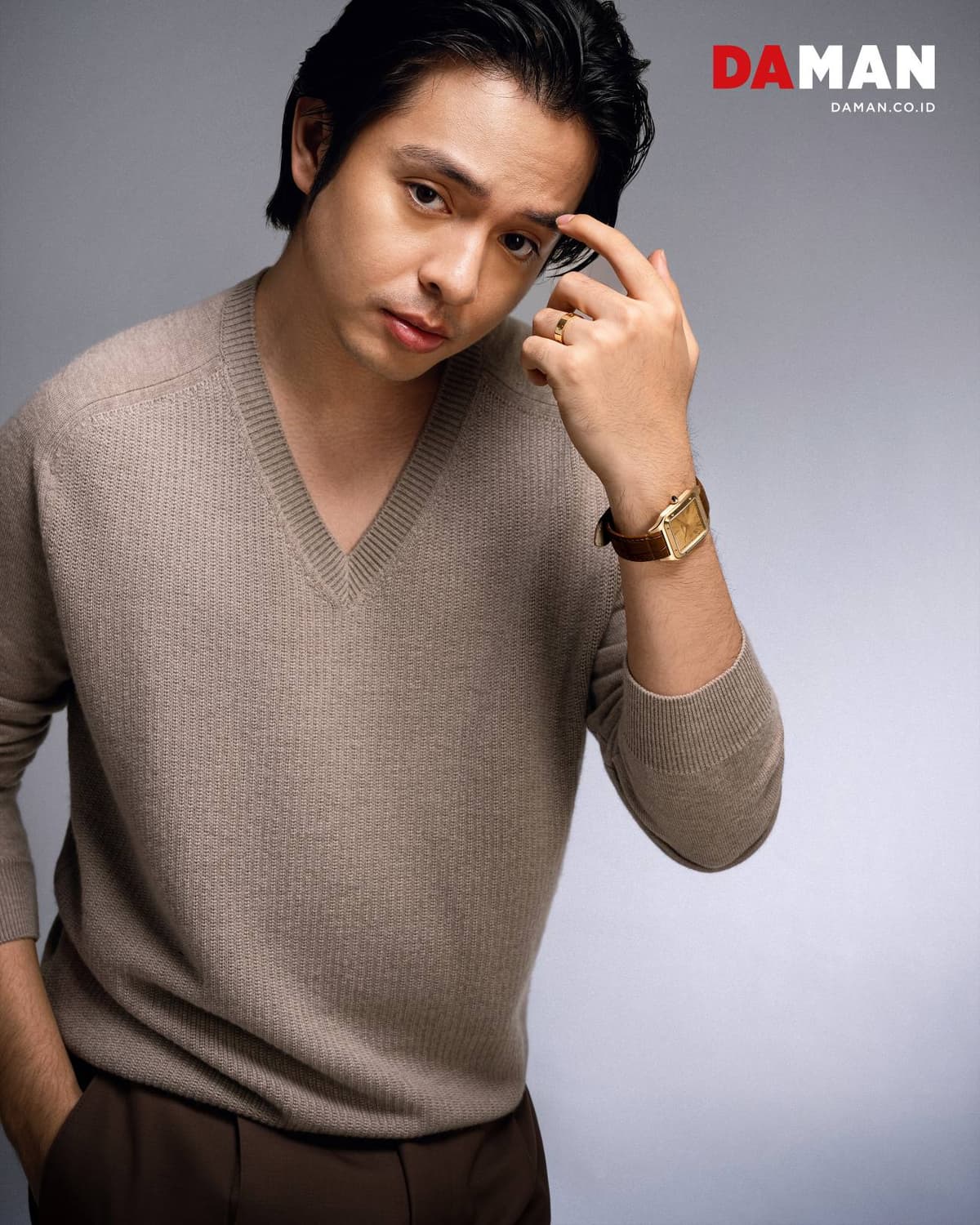
There is something quietly consistent in the way Yunanda approaches both art and family: a belief that identity should not be forced, and instead nurtured. He credits much of that mindset to his own upbringing. Though his parents came from educational backgrounds and initially watched him leave Lombok for Jakarta at just fourteen years old, they allowed him the freedom to pursue acting while still guiding him with trust and openness.
“That’s something I want to give my child too,” he says. “Freedom—but still with guidance.”
Near the end of the conversation, the discussion returns to where it began. If another five years pass and DAMAN sits down with him again in 2031, what is the one thing he hopes will remain unchanged?
Yunanda smiles.
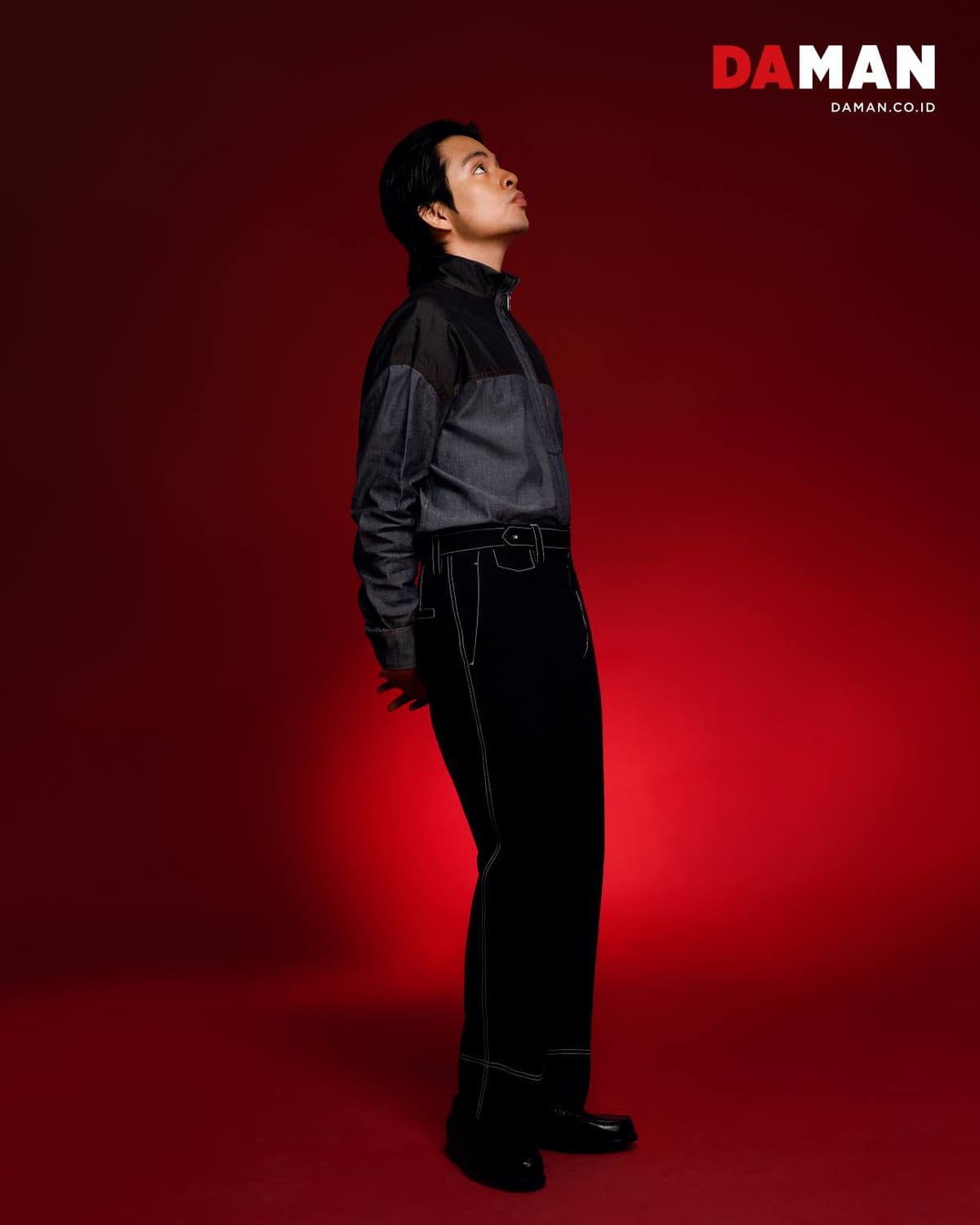
“My positive outlook,” he says. “I never want to lose that.”
It is a deceptively simple answer, though perhaps fitting for someone now learning that growth is not always about becoming someone entirely new. Sometimes, it is about protecting the parts of yourself worth carrying forward—through success, through uncertainty and through every role life asks you to inhabit next.
Photography William Chandra
Styling Isabella Harahap
Styling Assistance Ifa Lathif
Makeup Louise Daniella
Hair Kristalianti