


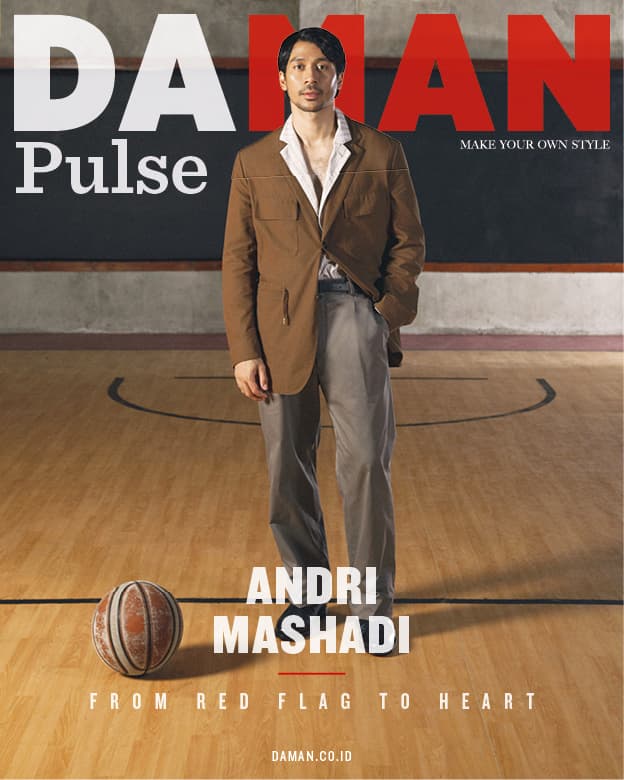
Best known as the man audiences love to hate, Andri Mashadi is entering a new chapter, one that trades menace for vulnerability and challenges the limits of typecasting.
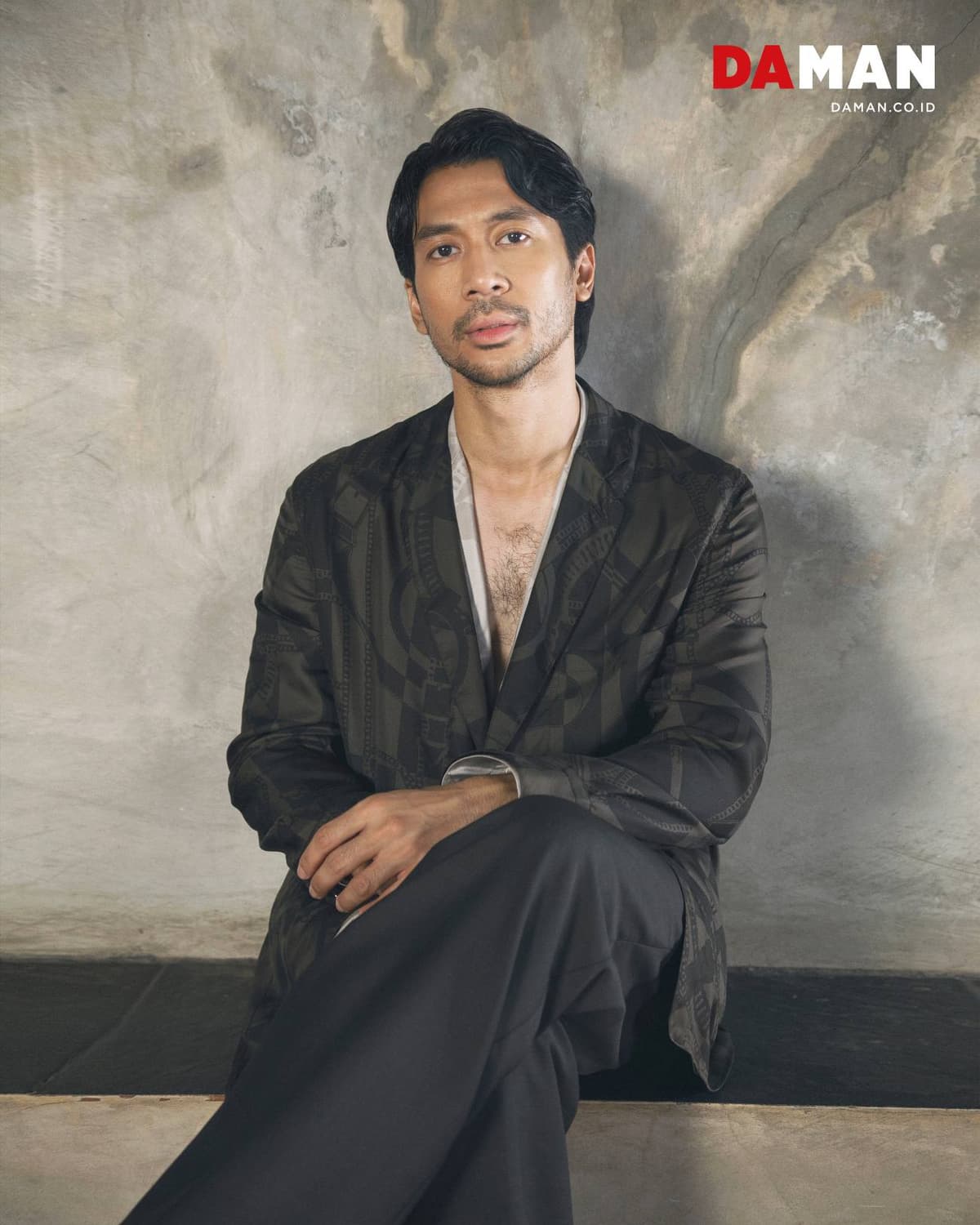
Andri Mashadi has long been the actor audiences love to hate. Known for embodying the kind of antagonists who linger in memory long after the credits roll, he now takes a daring turn, trading menace for vulnerability in his latest film, “Senin Harga Naik.”
DAMAN speaks with Mashadi about his evolution from an iconic “red flag” persona to a deeply emotional turn in a family drama. He reflects on the discipline and rigorous script analysis that have shaped him into a remarkably versatile actor. For Mashadi, acting is never merely about being on camera—it is a pursuit of empathy, even when inhabiting the darkest characters.
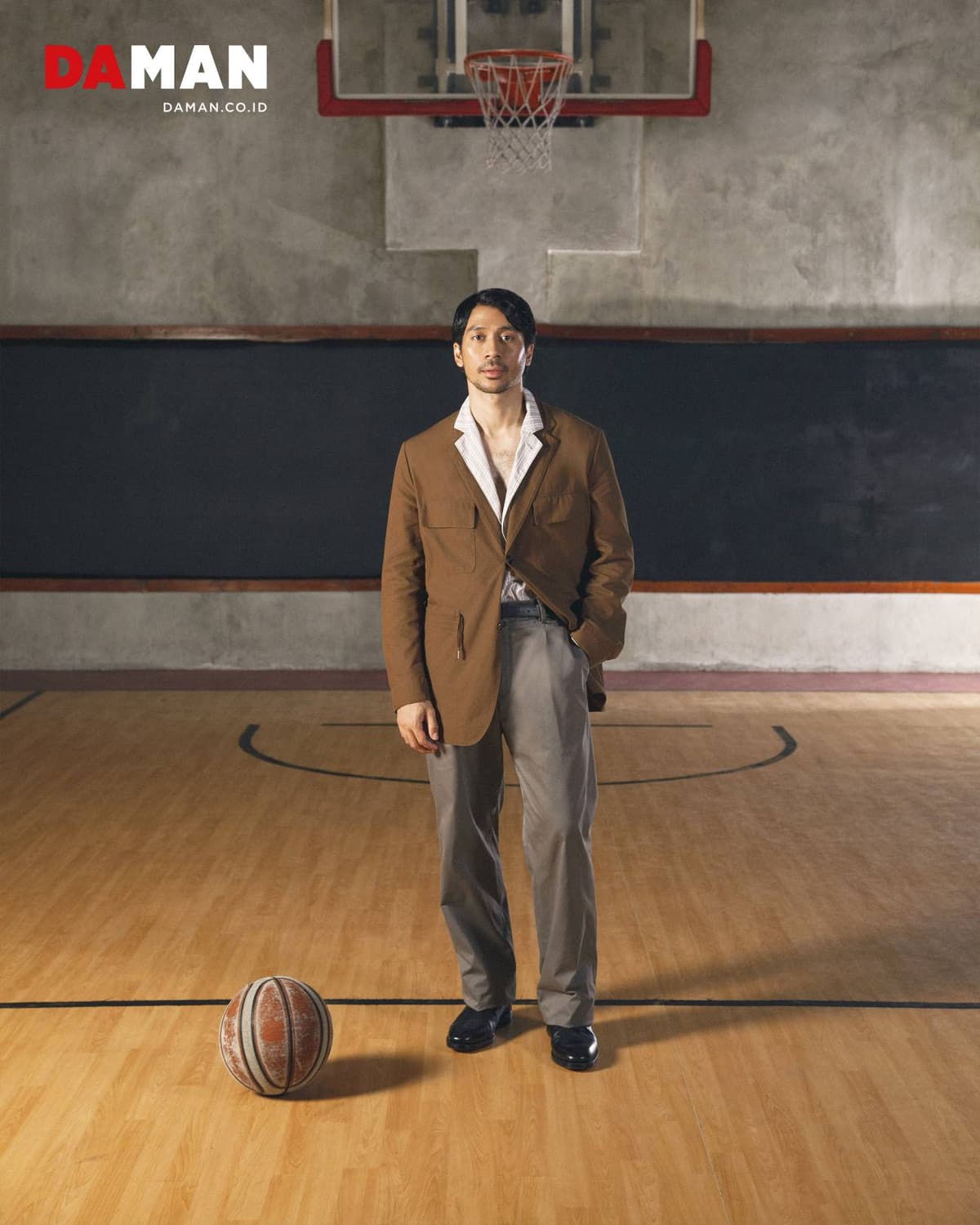
DAMAN: You recently starred in “Senin Harga Naik.” What drew you to the project and who do you play in the film?
Andri Mashadi: It’s essentially a family drama about a single mother raising three children on her own. She has to play both the mother and father figure at the same time. As the children grow up, they go their separate ways—some get married, some focus on their careers and others are still chasing parental validation. At its core, the movie is a timeless story about a mother’s love and the art of letting go. I play Amal, the eldest son. As the only man in the family, he tries his absolute best to step up and fill his father’s shoes.
DA: Did you see parts of yourself in Amal, or did he feel completely different from you?
AM: I relate to him quite a bit, mostly because both Amal and I are married. It’s not that our personalities are identical but the dynamic of our relationships is similar. I’m very close to my mother, just like Amal is. In the film, he’s his mother’s favorite because he’s the only son, but that comes with very high expectations.
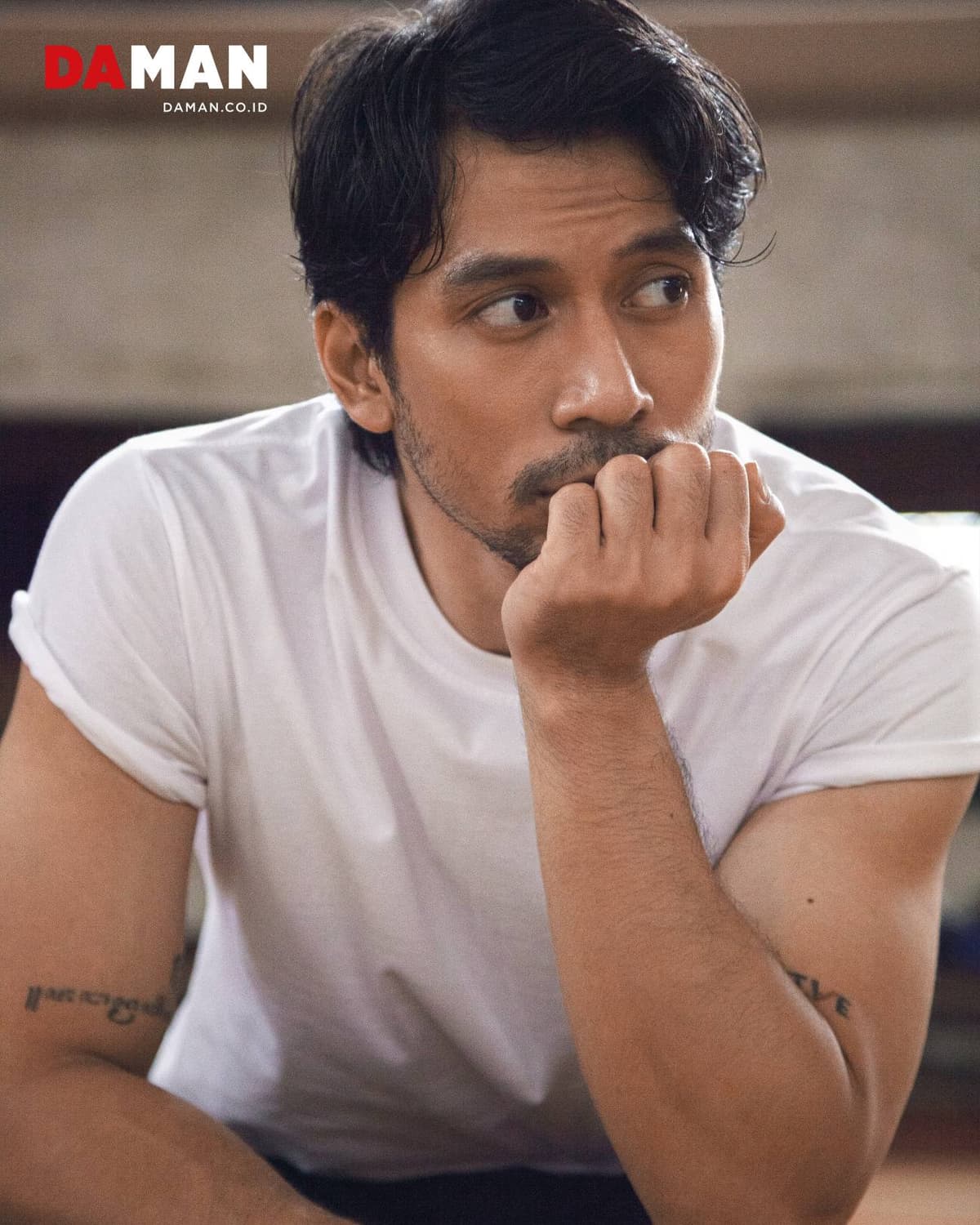
DA: The film centers on family. Is there a particular memory from set that has stayed with you?
AM: There are so many, but if I had to choose, it would be a scene you can see in the trailer. My mother and siblings come over to my house and what starts as a casual chat quickly turns into a heated argument. It was memorable because even though we followed the script, everyone gave everything on the very first take. It felt so genuine that they ended up using that take in the final cut.
DA: Was there a scene that felt especially personal for you, either during filming or when you watched the final cut?
AM: Definitely. It’s the moment right after the big argument with my mother, Retno, played by Meriam Bellina. I come home and see her and even though neither of us says a word, there’s an unspoken understanding that we’ve forgiven each other.
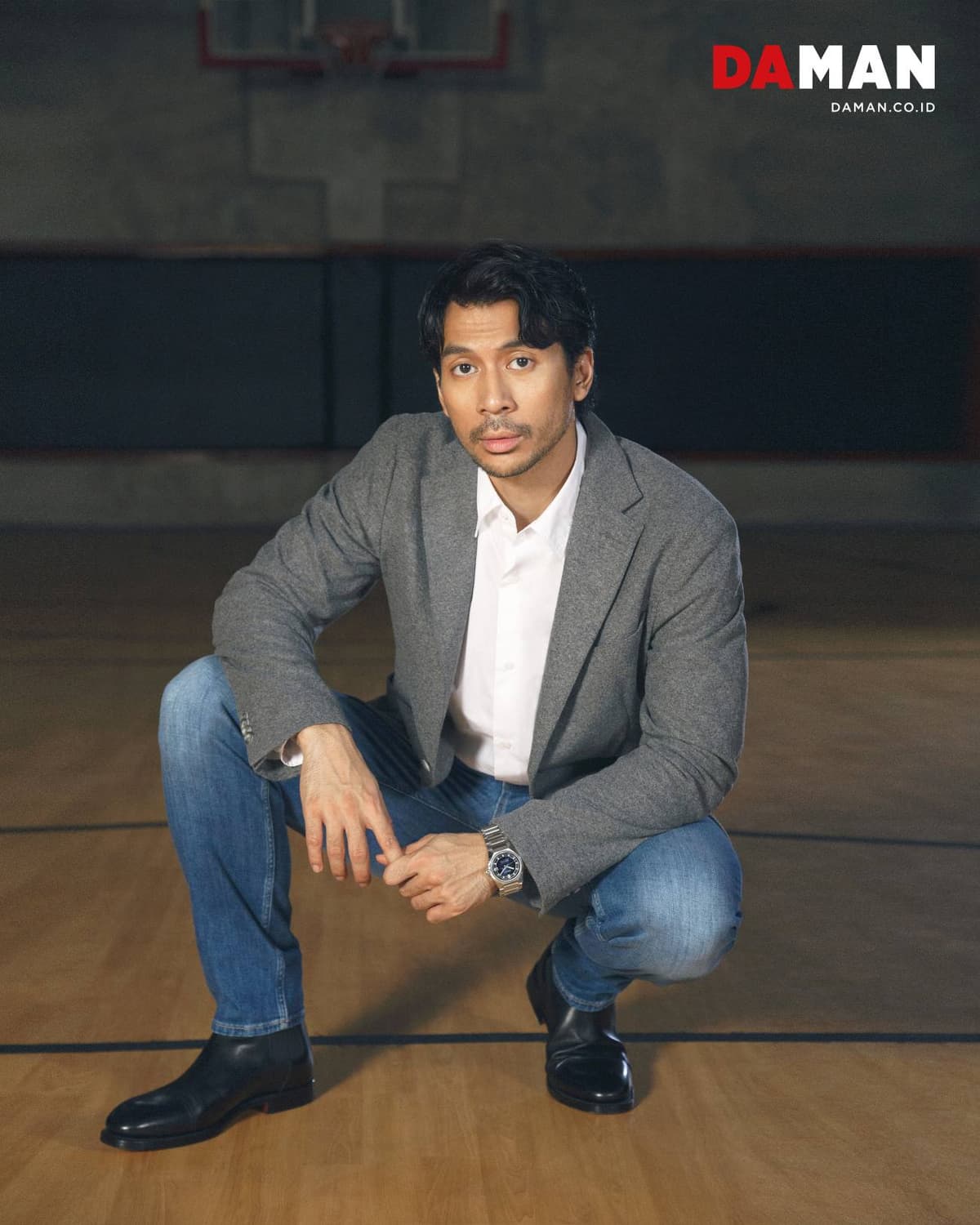
DA: When did you realize acting was more than just an interest, but something you wanted to pursue seriously?
AM: I started out doing commercials and working as an extra. That sparked my desire to take it seriously and really understand the craft, which eventually led me to acting school. That’s when it clicked for me. Acting isn’t just about showing up. You have to study and analyze the script from different angles and understand that the preparation process is different for every project. That challenge is what made me fall in love with it.
DA: You’ve taken on action roles in “The Shadow Strays” and thrillers like “Zona Merah.” Which genre feels most natural to you?
AM: I believe an actor should be a chameleon. You have to be comfortable working with anyone regardless of genre. I’m proud of having a diverse portfolio. Honestly, being offered a genre or character I’ve never explored before is incredibly exciting. Even if there’s a learning curve, that’s where growth happens. But in terms of comfort zones, I’d say family dramas and psychological thrillers.
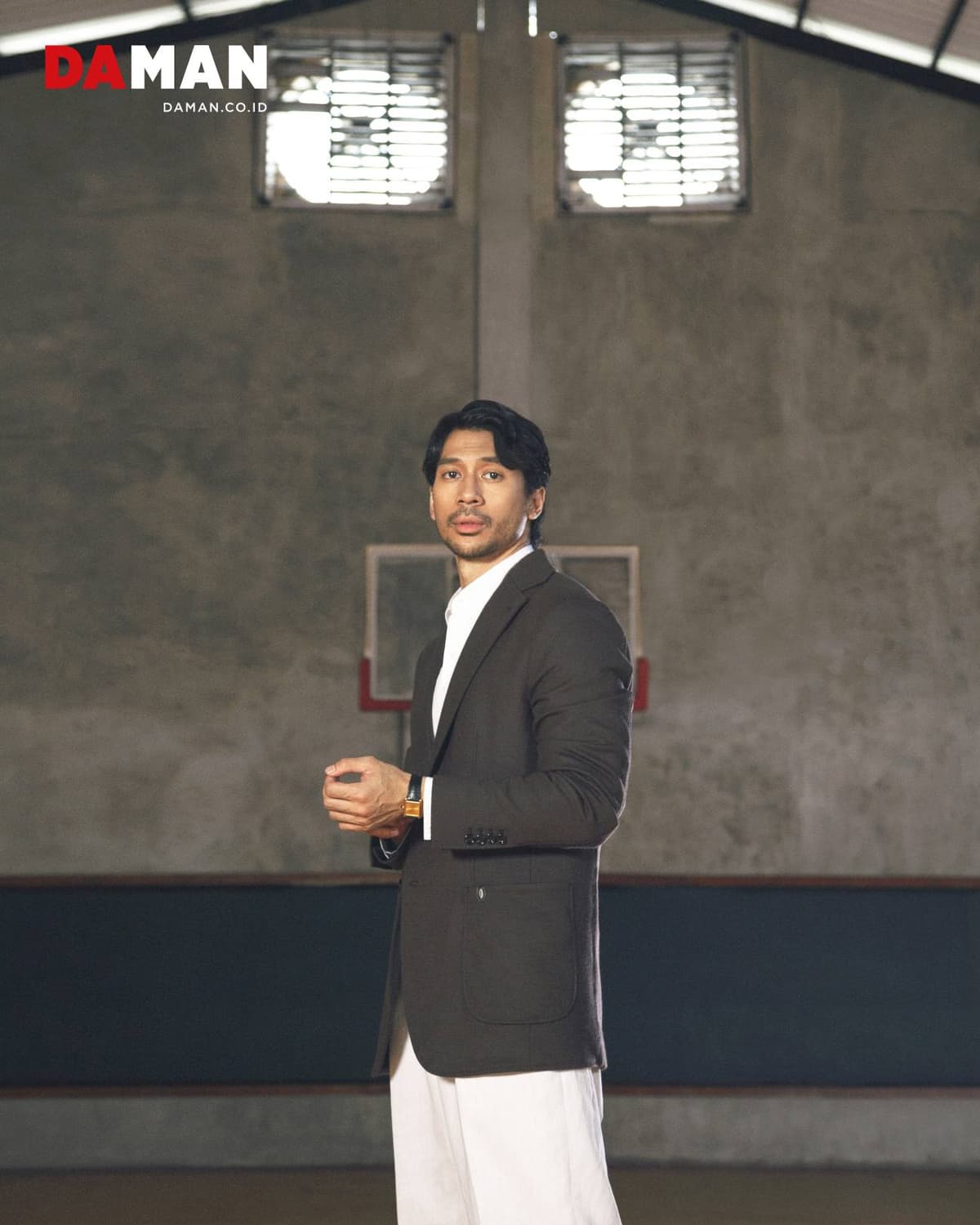
DA: You’re often cast as the so-called “red flag” character or antagonist. What draws you to those roles?
AM: I think every “red flag” character or villain has their own version of the truth. It’s a personal challenge for me to find at least one shred of empathy in them. No one is 100 percent evil. Finding that specific nuance within a character is what makes playing an antagonist so fascinating.
No ONE is 100 percent evil. Finding that specific nuance within a character is what makes playing an antagonist so fascinating.
DA: Do you ever worry about being typecast as a villain, or do you embrace the challenge?
AM: I think I’ve already been labeled that way by a lot of people. Since I started playing villains, I’ve received many offers for similar roles. But honestly, I don’t mind—it means I did my job well. To balance it out, I make sure to take on roles in family dramas or romantic comedies. Projects like “Senin Harga Naik,” “AIU-EO Macam Betool Aja” and “Children of Heaven,” which are coming out later this year, help show those other sides of me.

DA: Is there a dream role you haven’t had the chance to play yet?
AM: Right now, I’m really itching to play a character with a specific mental health condition or a special case—someone with Tourette’s or Parkinson’s, for example. I want a role that requires a deep dive and intense observation.
DA: Of all the projects you’ve done so far, which has left the deepest mark on you, both professionally and personally?
AM: Almost all of them, honestly. I have to love the story, the character and the director before I sign on, so it’s hard to choose. But if I had to pick one, I’d say “Children of Heaven.” It’s an Indonesian adaptation of the Iranian film and is set for release in mid-2026. It’s such a heartwarming story. I play the father of the main characters and every scene we filmed took me back to my own childhood.
DA: With so many films now released on streaming platforms, how do you see OTT changing the industry compared to traditional cinema or television?
AM: The rise of OTT platforms has definitely kept actors and crews busier because so much more is being produced. The opportunities in this industry are massive now. OTT original films are rivaling the quality of theatrical releases. The challenge for those of us in the creative field is maintaining a healthy industry amid high demand. Shooting schedules are getting tighter, so we have to protect the work environment and never lose sight of the storytelling. We can look at South Korea as an example. They take their productions so seriously that they make the whole world want to visit their country.

DA: In terms of production quality, are Indonesian streaming series now on par with big-screen releases?
AM: In terms of scale, we still have a way to go, but we’re moving in that direction. Take the series “Zona Merah,” for example—a zombie thriller on OTT. For a long time, Indonesian audiences were skeptical about local zombie productions. But after “Zona Merah,” we earned their trust. It’s fun, it’s gory and it’s a wild ride. It’s a stepping stone for us to gain public confidence, as long as we don’t get complacent with production value and continue writing tight scripts. I’m currently preparing for the “Zona Merah” movie, which will head to theaters this year.
DA: As Indonesian cinema gains greater international visibility, do you believe the industry is ready to compete globally?
AM: Absolutely. We can hold our own. Look at the Toronto International Film Festival—Timo Tjahjanto is always a hot ticket, from “Time for Us” to “The Shadow Strays.” During the “Shadow Strays” midnight screening, the audience was completely locked in and even gave us a standing ovation. That shows the international enthusiasm for our action films. It’s the same for dramas. Wregas Bhanuteja’s “Para Perasuk” made waves at Sundance Film Festival because it felt so fresh. We’ve seen “Gadis Kretek” at Busan International Film Festival and Joko Anwar’s “Ghost in the Shell” at Berlinale. Indonesian films are highly anticipated at prestigious festivals. Now it’s a matter of production houses, the government and the public continuing to support the industry.
DA: In your opinion, what defines the strength of Indonesian storytelling?
AM: Our greatest strength is our cultural diversity. Whether it’s stories from Sumatra, Java or Eastern Indonesia, the potential is limitless. But we have to lean into that uniqueness. Just as South Korean films often highlight their local culture, like kimchi, we need to weave in our own local wisdom so people can watch and immediately say, “This is Indonesia.”
DA: Looking ahead, what can audiences expect from you in 2026?
AM: Thankfully, 2026 looks like a busy year. We’re kicking things off with the rom-com “AIU-EO Macam Betool Aja,” about three friends struggling with poverty who decide to start an event organizer business. Then “Senin Harga Naik” comes out around Eid al-Fitr. “Children of Heaven” drops in May and we’ll likely wrap up the year with the “Zona Merah” movie.
Creative Direction Brad Homes
Photography William Chandra
Styling Bagoes Abyoso
Grooming Nathania Elora Mae
Photography Assistance Dede Hermawansyah
Styling Assistance Ifa Lathif