


Longines’ Head of Brand Heritage, Daniel Hug, talks with Riga Ramadhan about his work and the winged-hourglass brand’s enduring legacy
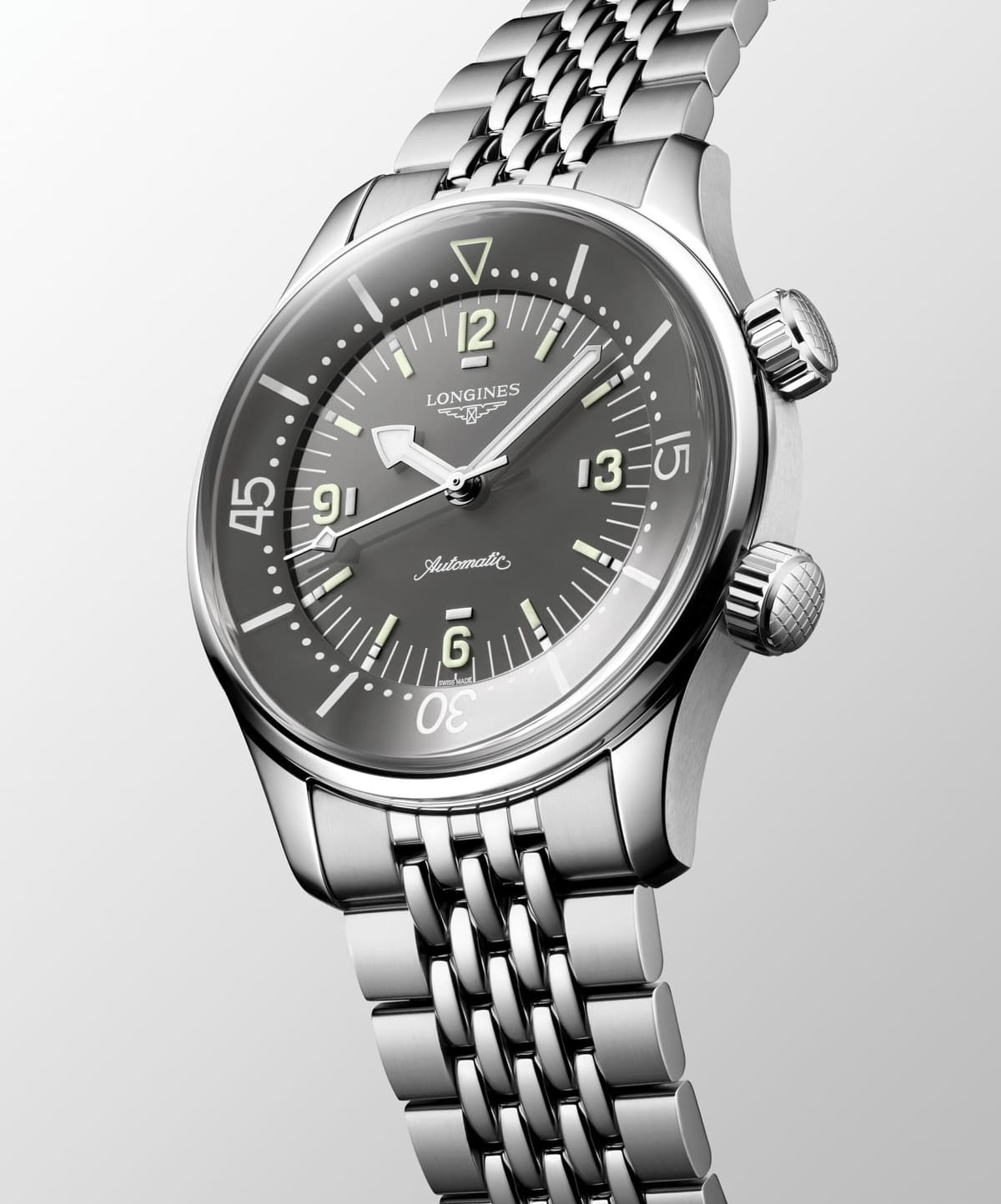
Daniel Hug is the go-to expert for fascinating stories surrounding Longines watches. As the Head of Brand Heritage, he can share so many intriguing anecdotes, such as the acquisition of aviator Amy Johnson’s Longines watch at a live auction. He can also share stories of the many other personalities who had a Longines on their wrist while achieving incredible feats, from Albert Einstein to Amelia Earhart. In short, Hug possesses extensive knowledge about the brand’s legacy, which covers nearly 200 years of history.
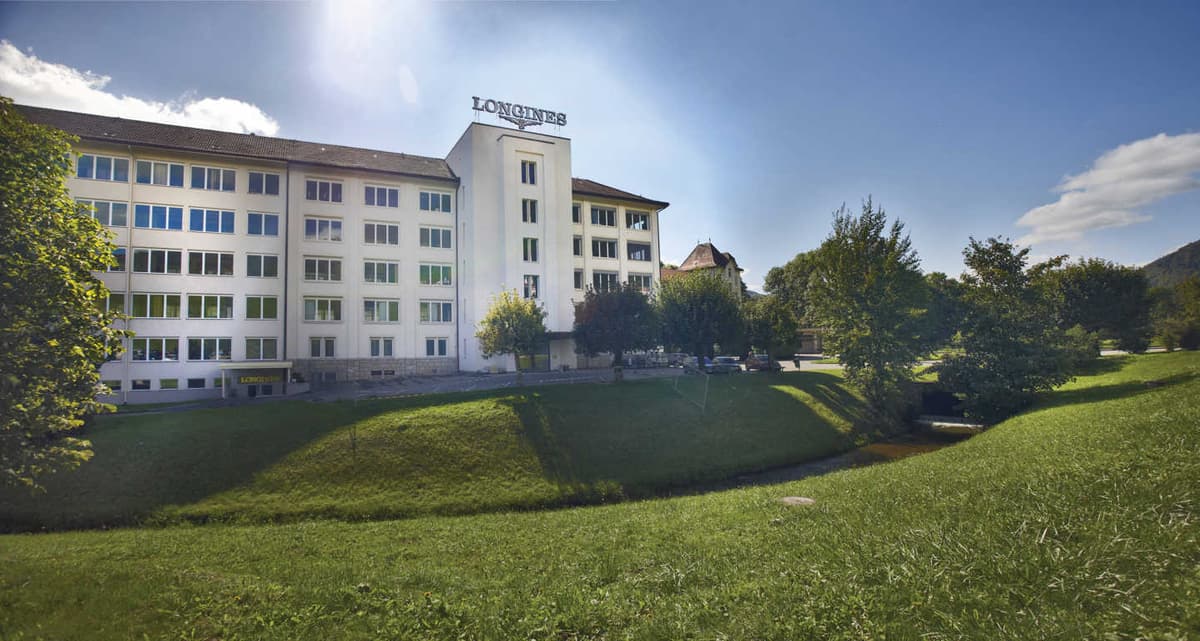
Earlier this year, DAMAN Caliber caught up with Daniel Hug during our memorable visit to the Longines headquarters at Saint-Imier in Switzerland. As the nerve center of Compagnie des Montres Longines Francillon S.A., the facility houses the brand’s workshops and a museum that traces Longines’ rich history. In our conversation at this historic site, Hug shared insights about his work, Longines’s enduring legacy and much more.
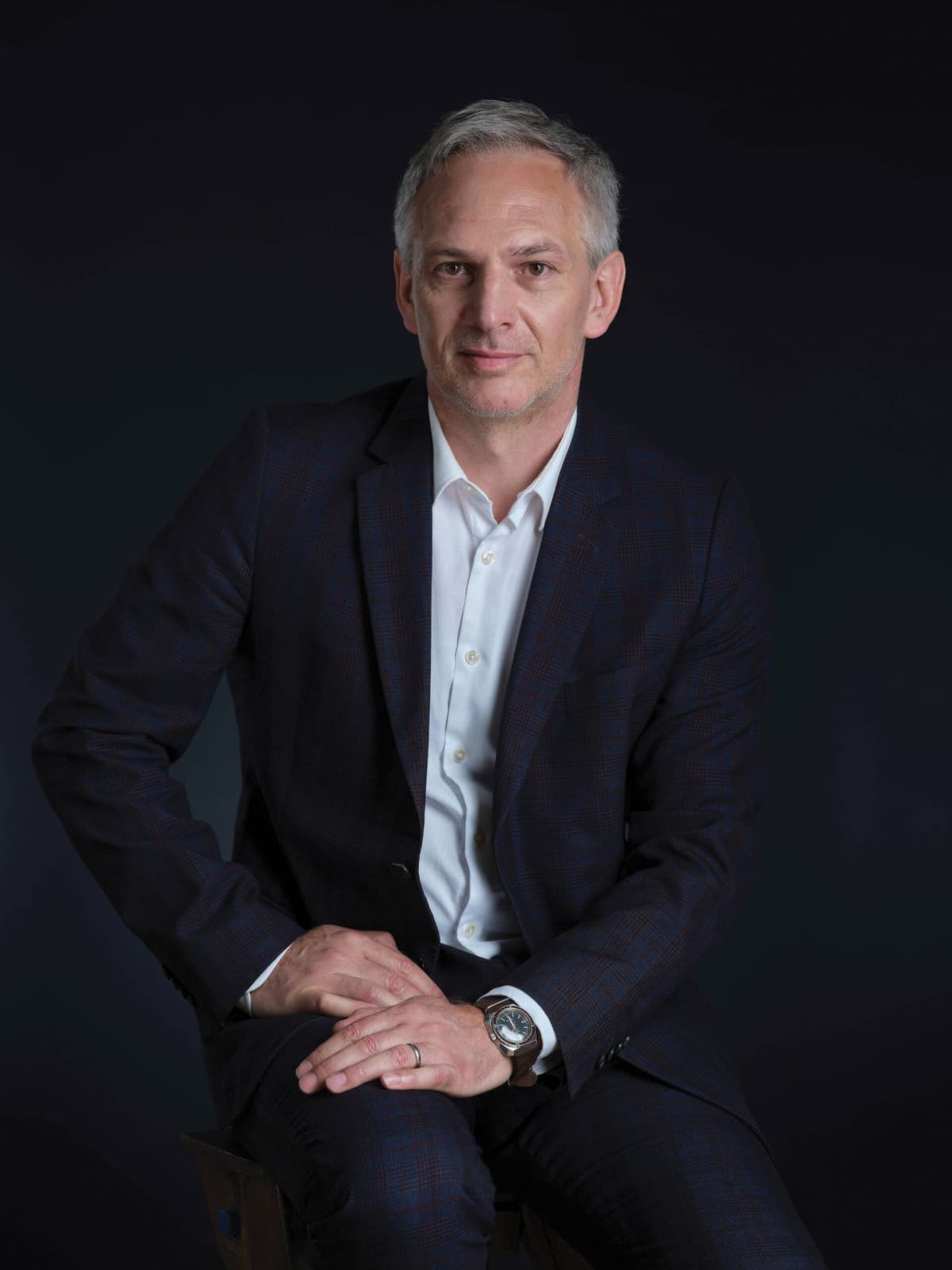
DAMAN: As Head of Brand Heritage, how do you see Longines’ heritage shaping its direction in today’s rapidly evolving watch industry, where innovation is constantly being redefined?
Daniel Hug: Our heritage is an excellent source of inspiration. I do a lot of research to identify the brand’s unique developments, patents and models. When we discover something unique and astonishing, we propose this to our production development team. If it fits, they will take the vintage model as an inspiration to develop a new timepiece. I am particularly interested in inventions that are still relevant today and that will serve as a link between the past and present.
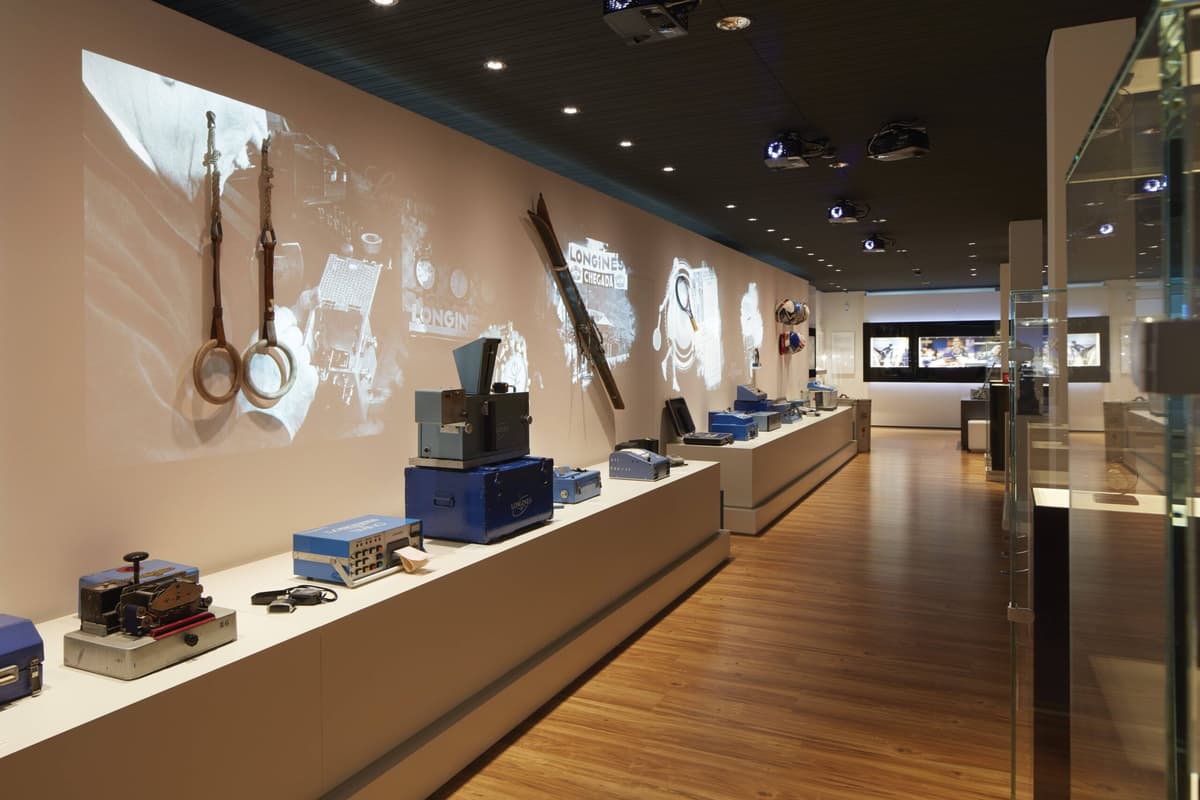
Sometimes we highlight the beauty of an aesthetically elegant construction such as the display of the power reserve using rotating discs, as is currently the case on the Conquest. The idea originates from a model dating back to 1959; so, it is not only technical aspects that are important, but also aesthetic ones. On the technical side, I like to remind you that Longines has been mastering high-frequency movements to measure one tenths of a second since 1910, because we served as official timekeeper for numerous sport events for more than 100 years.
DA: Your role involves an intimate understanding of Longines’ archives and collections. Given your deep familiarity with it, is there a particular discovery or story that stands out to you?
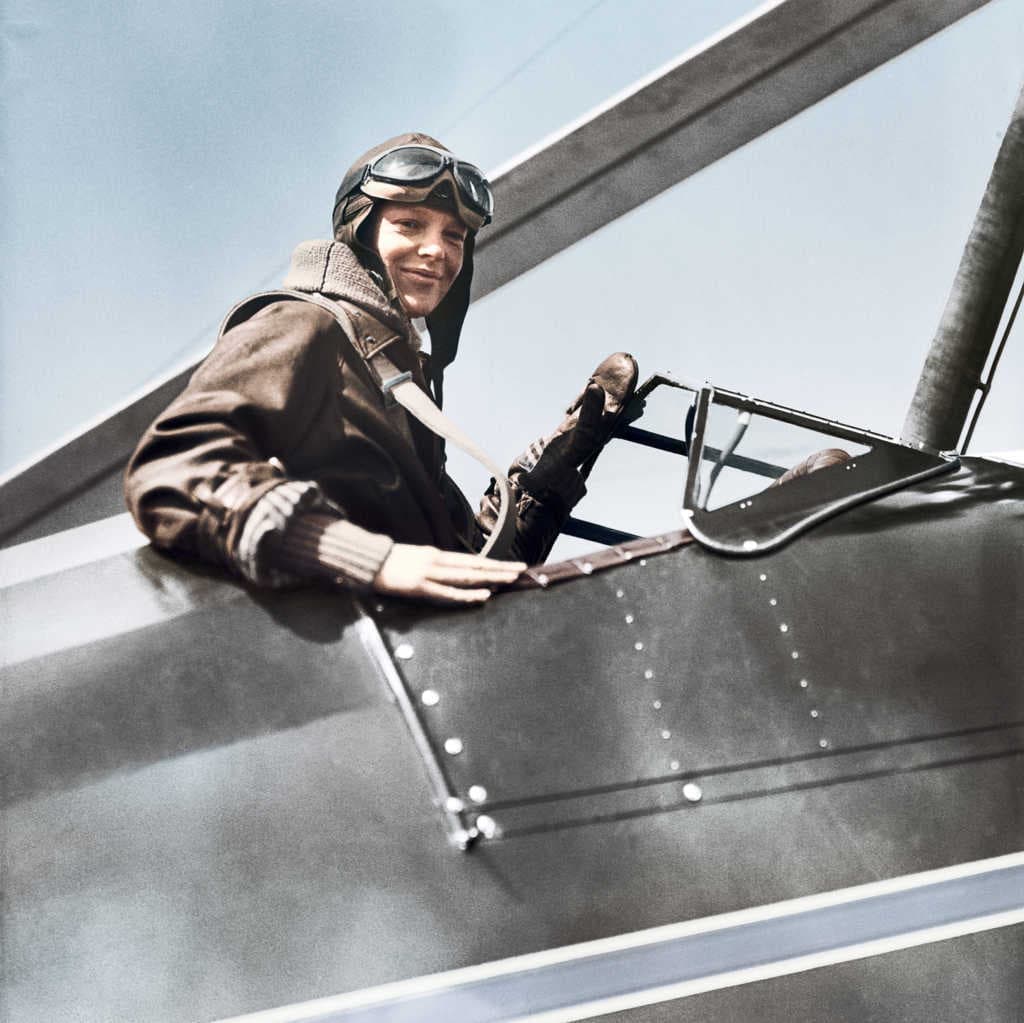
DH: I am deeply impressed by the many personalities who had a Longines on their wrist when they accomplished the incredible feats they are known for. Whether it was physics genius Albert Einstein, pioneers of aviation such as Amelia Earhart who was the first woman to cross the Atlantic, Clyde Pangborn who was the first to cross the Pacific in a non-stop flight in 1931 or Howard Hughes with his record flight around the world in 1938. They were all explorers and trailblazers for the generations that followed. We are honored that these courageous and talented people placed their trust in Longines—and it inspires us to create new projects.
DA: The Longines Manufacture at Saint-Imier stands as an icon of heritage. How has the Manufacture evolved to embrace newness, whether it’d be technologies and innovations, while preserving its original essence?
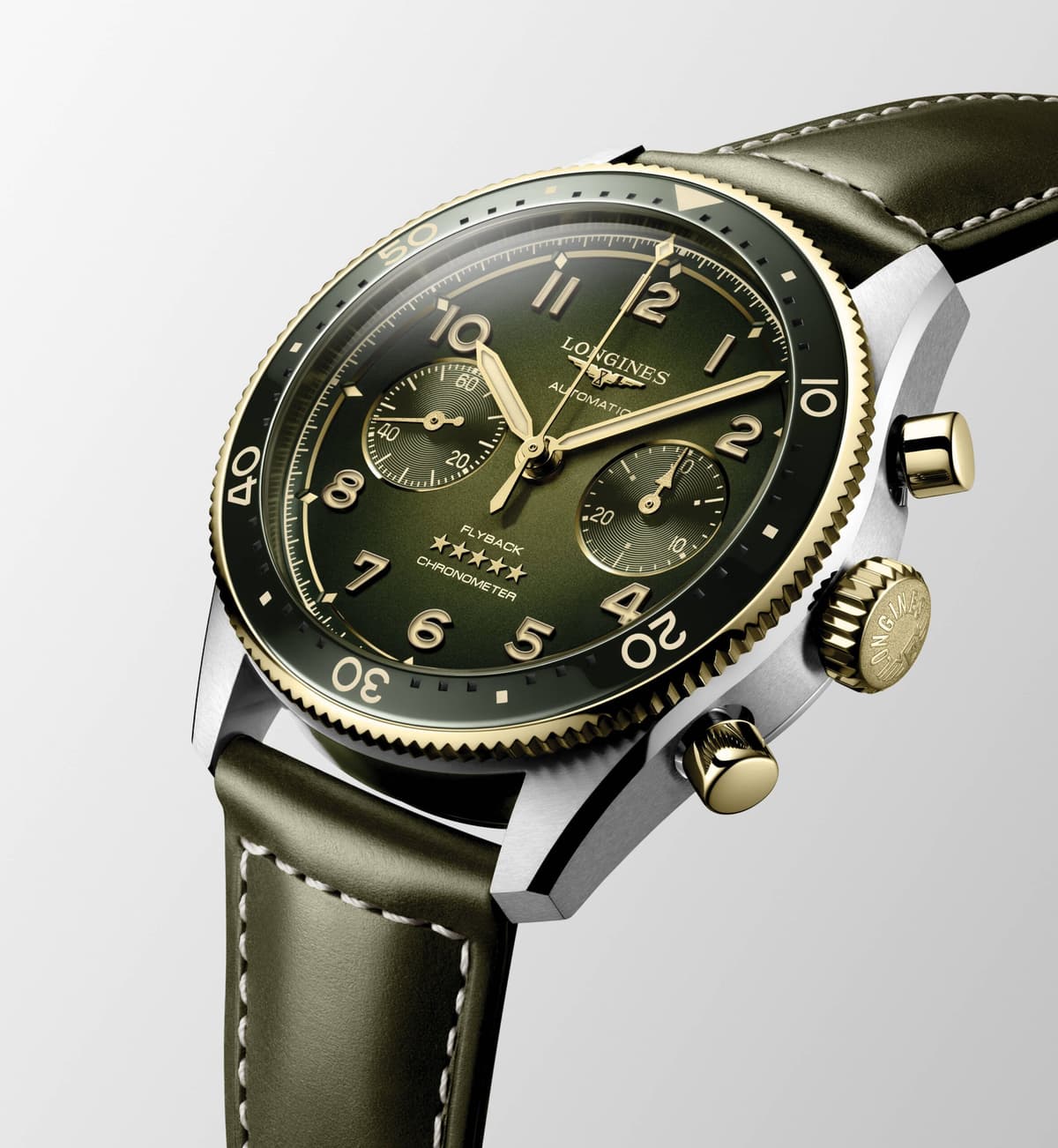
DH: You might know that Longines is the inventor of the flyback chronograph with two independent pushers. We filed the patent in April 1935. As an inventor brand, you must live and cultivate this heritage all the time. We are back on the field of aviation watches with the new Spirit Flyback chronograph that is also certified as a chronometer, thanks to its silicon balance spring. Many brands don’t even have access to this technology today. But that’s how we work with our heritage: presenting it in a modernized design, offering state-of-the-art technology.
DA: How has the advancement of technology influenced the way Longines preserves and shares its history and legacy?
DH: As a timekeeper with more than 100 years of experience, we pioneered trends in technology. For instance, we developed the first timing device featuring a quartz oscillator as early as in 1949. Longines was the first brand to introduce a rotating bezel on a wristwatch in 1931: the Longines Lindbergh Hour Angle watch to help pilots to calculate their longitude faster. In 1911 we had already filed a patent for Double time zone watches, something that is reflected today in our Spirit Zulu Time.
DA: On the other hand, restoration plays a critical role in preserving Longines’ legacy. Could you talk about the challenges and rewards of maintaining a heritage department dedicated to restoring century-old watches?
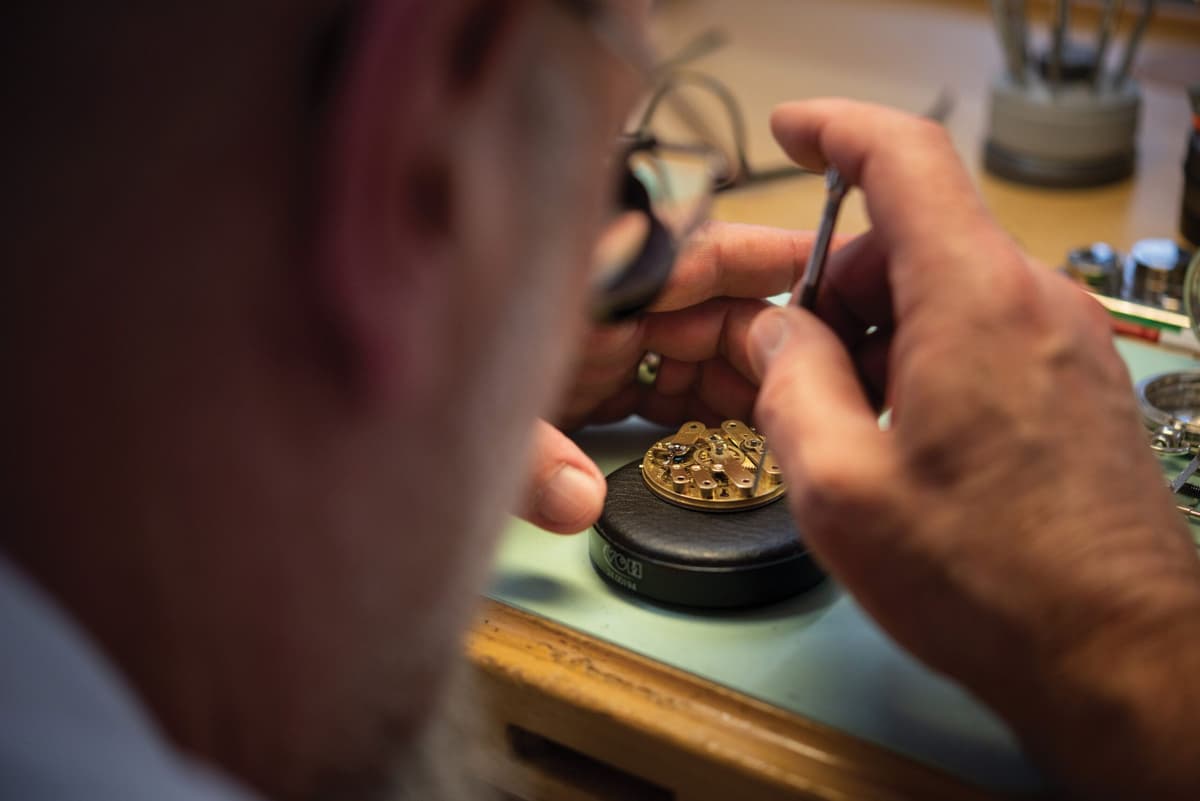
DH: One of our most unique departments at Longines is the Atelier Heritage—the vintage watches workshop—where some of our best watchmakers service and restore historical Longines watches. They can do what they do because we’ve kept a lot of spare parts, components of movements, dials and crowns that date back more than 100 years. This allows us to offer the service for basically every mechanical Longines watch, even for timepieces that are older than 100 years. And this as well the reason because I can truly say that the lifespan of mechanical Longines watch is more than 100 years.
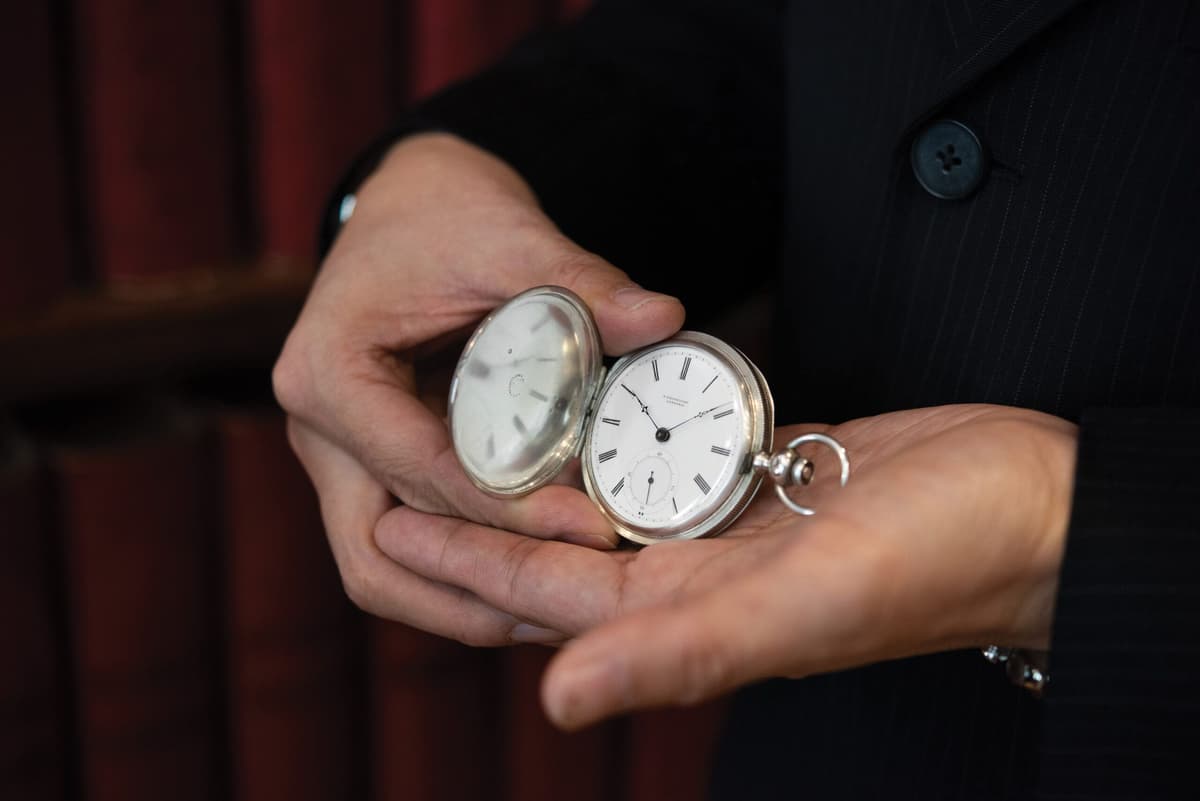
DA: Speaking of which, what insights can you share about the growing interest in vintage Longines watches among collectors? And how does the brand engage with this passionate community of collectors?
DH: We notice a growing interest especially among the younger generation. They are keen on posting on social media platforms like Instagram and it’s far more interesting to post something unique like a vintage Longines watch with a strong identity than a generic smartwatch that lacks any charm. We have a community of passionate collectors and for them we organize an annual two-day meeting. Our international collectors also meet on Facebook groups and Instagram pages managed by passionate Longines collectors.
DA: One of the most memorable parts of our visit was learning about Longines’ deep connection to Indonesia which dates back to 1912—years before our independence. How does uncovering such historical ties in Longines’ archives, like this one, influence the brand’s marketing strategies?
DH: Whenever I prepare a heritage presentation for a specific market, I look first on our history or footprint that we have in the country. Thanks to the fact that Longines had established an international presence early on, I find always interesting elements that are linked to a region or a country. Sometimes we did timekeeping or furnished timepieces for pilots, which in return helps to better explain our significance in a country. Historical visuals and documents help us to show and explain our history.
DA: How does Longines balance nostalgia with cutting-edge innovation to appeal and engage to both traditional watch enthusiasts and younger watch buyers?
DH: If you look at our collections, you’ll notice that we try to keep a balance between sporty and classically elegant watches. Traditional watch enthusiast will probably go for heritage models or watches from the Master collection, whereas the younger generations go probably more for sporty watches and elegant ladies’ watches.
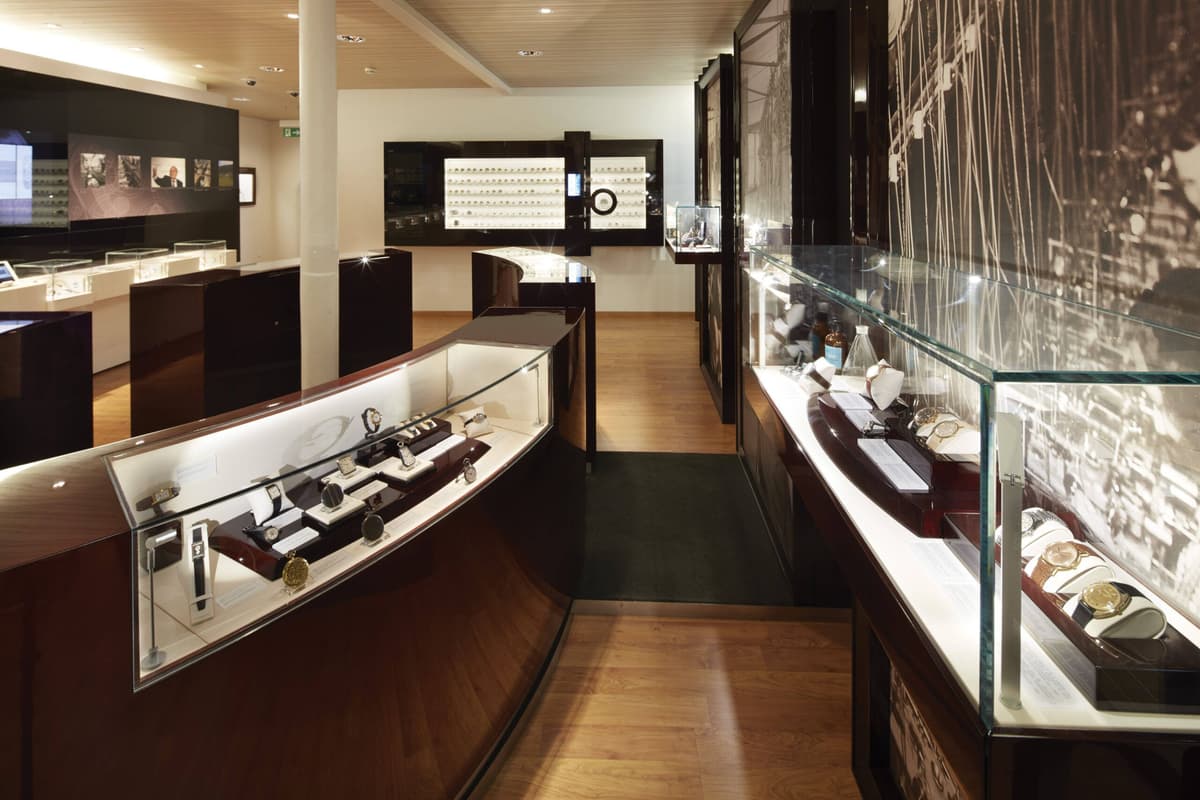
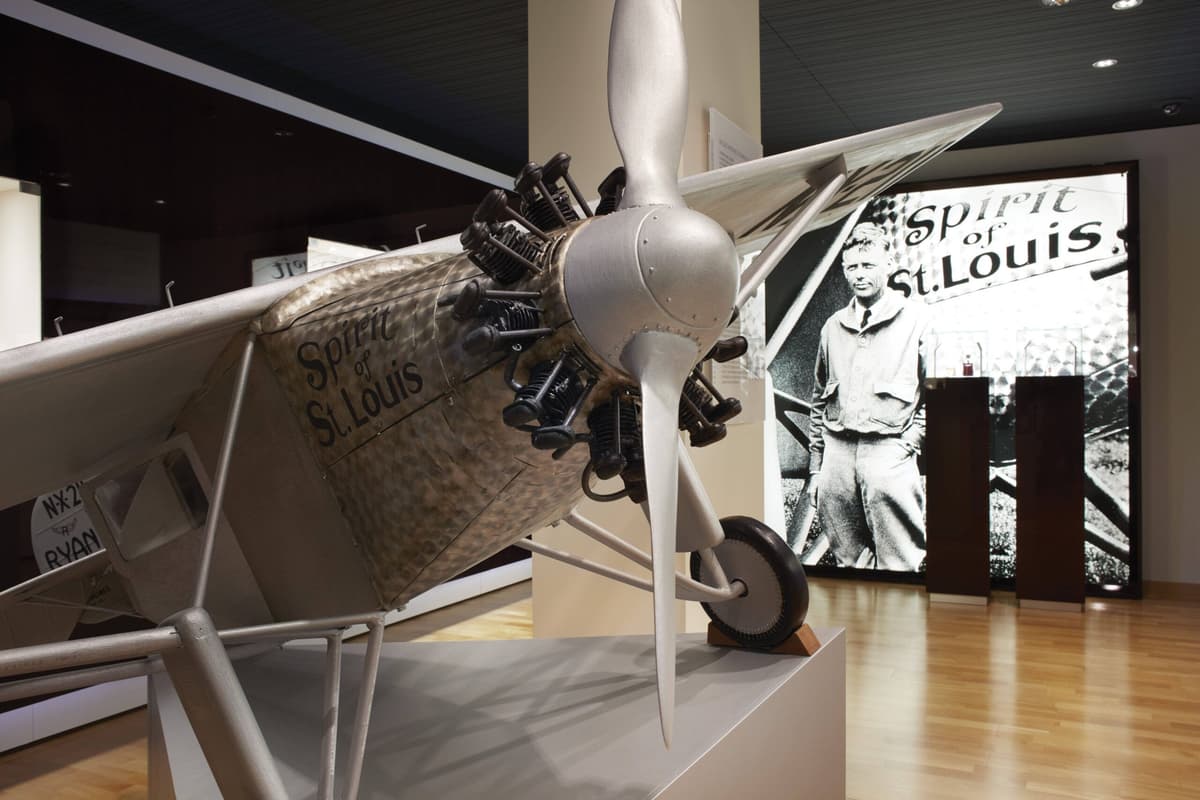
DA: Seeing Longines’ historical timepieces firsthand at the museum was quite inspiring, especially in terms of the diversity of the collections there. How does preserving and showcasing these pieces in such detail inform the vision and direction for new collections?
DH: Our museum collection serves as a never-ending source of inspiration for our new models. Thanks to the historical models we can organically grow the collection from our roots. This, in turn, gives our models a proper sense of identity. It’s no coincidence that we present, for instance, models like the Conquest Heritage Power Reserve, which is based on a model of 1959. When we launch models like the Ultra-Chron, they don’t just come out of the blue. Instead, it’s because we have mastered high-frequency movements for over 100 years in our role as official timekeeper for horse races, athletics and motorsport events.
DA: Looking toward the future, what is your vision for the next chapter of Longines?
DH: We keep on working on new models, improving design and movements, presenting new features, but always in line with our heritage. Our pipeline is full for the coming years; so, I am excited to see the launch of a bunch of new models.