

With over 160 years of watchmaking mastery, TAG Heuer’s crown as the king of chronographs remains firmly in place. Brice Tchaplyguine shares how the maison continues to honor its racing spirit while driving growth across Asia Pacific
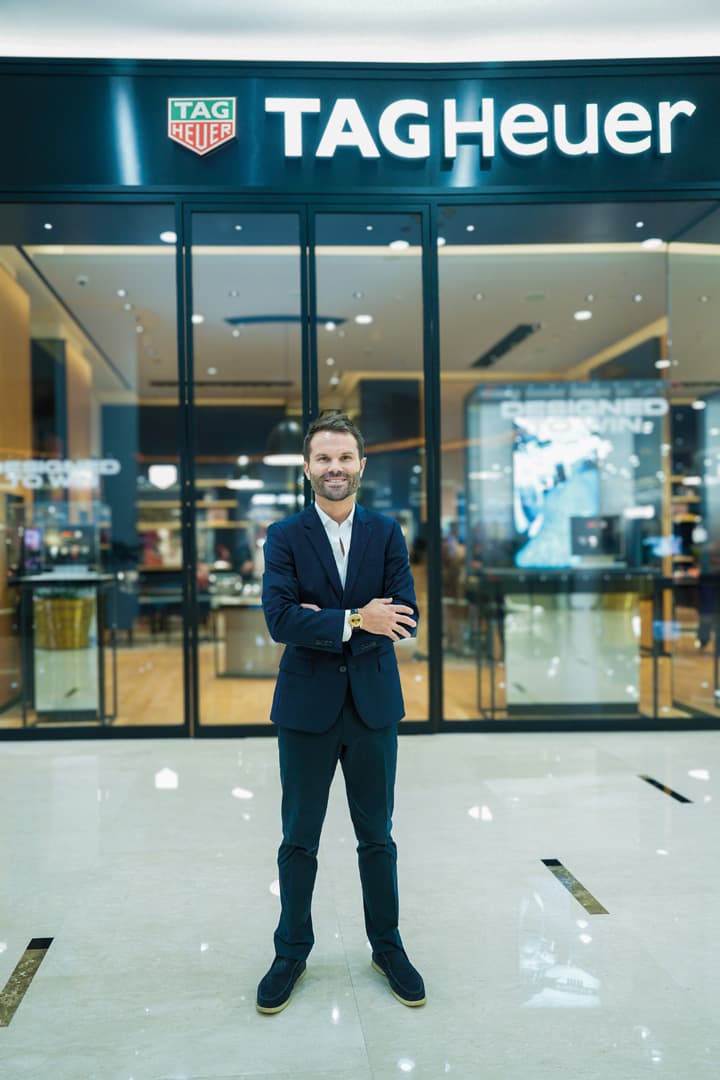
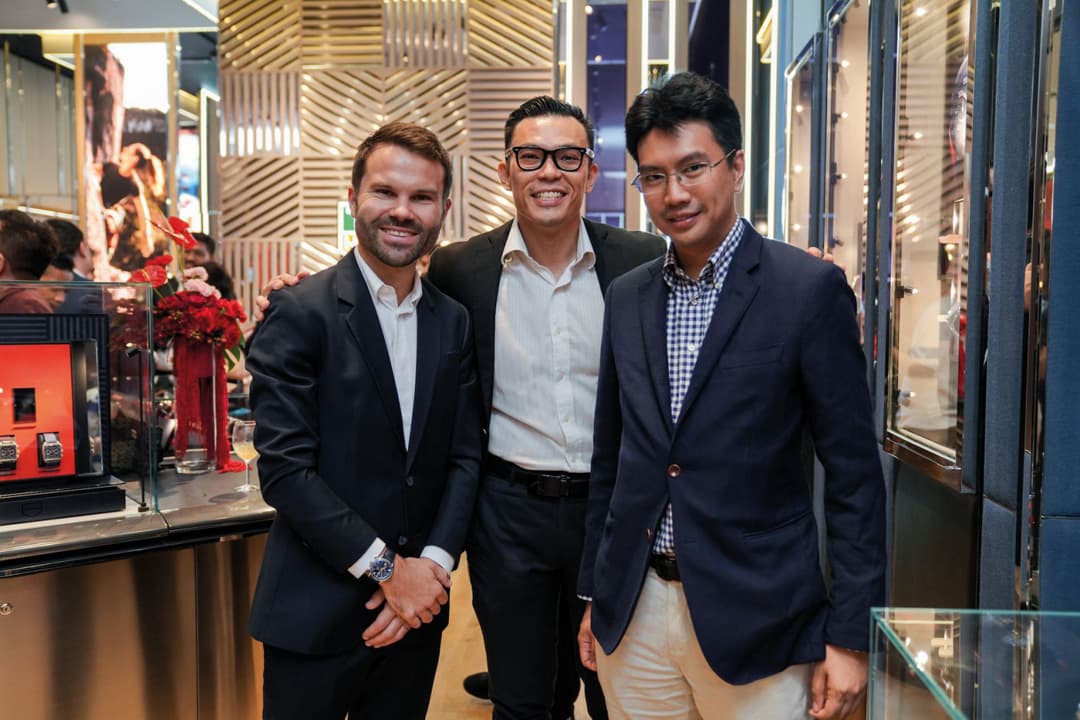
When Brice Tchaplyguine talks about TAG Heuer’s growth across the Asia Pacific region, there’s a quiet confidence in his voice—the kind that comes from seeing potential unfold market by market. As Managing Director for Southeast Asia, South Korea and Australia, Tchaplyguine oversees one of the brand’s most dynamic regions, a territory defined by sophistication, evolving consumer expectations and an ever-deepening appreciation for craftsmanship.
Based in Singapore, he has spent the past few years shaping the maison’s development through retail expansion, stronger local engagement and a renewed focus on the high-end segment. His experience extends far beyond the region: before taking the helm in Asia Pacific, Tchaplyguine led TAG Heuer’s Middle East operations, where he played a key role in transforming the business model and achieving sustained profitability.
A graduate of France’s EDHEC Business School, his career has spanned global giants like L’Oréal and Mondelez International, but it’s at TAG Heuer that his passion for precision and performance has found its most natural outlet. “When you make the right decisions and continue meaningful activations, you can grow even better,” he says, reflecting on his visits to markets such as Indonesia, where he closely observes shifting dynamics and new opportunities.
That same instinct for growth defines the conversation that follows—one that moves from regional nuances and brand identity to the stories behind TAG Heuer’s 2025 releases, including standout pieces like the Monaco Chronograph Stopwatch. Over the course of the discussion, Tchaplyguine speaks candidly about what sets TAG Heuer apart, how the maison balances heritage with innovation, and why its connection to motorsport continues to drive its relevance today.
DAMAN: What kind of unique nuances have you noticed about the luxury market in Asia Pacific, particularly Southeast Asia?
Brice Tchaplyguine: It’s a very sophisticated market. Before this, I spent five years in the Middle East, based in Dubai, which is also growing fast but for different reasons—strong demographics and booming tourism, especially in Dubai and Saudi Arabia.
In Asia, the maturity and penetration of luxury are much higher. Innovation, creativity and team culture are key to making a difference. It’s far from being an easy market; the structures and teams are mature, so progress takes time.
When I arrived last year, my first mission was to set up a subsidiary in Korea. We started almost from scratch with 150 people, and today we have 23 boutiques, a full after-sales operation and a dedicated office. The foundation is strong, and the level of understanding and appreciation of luxury here is remarkable. Now, our challenge is to find new ways to connect even more deeply with people.
DA: The market is quite crowded with luxury watch brands. What makes TAG Heuer stand out, and what do you think is the key to its success?
BT: TAG Heuer stands for performance and mental strength. Everyone is a performer in their own way, and that’s how we connect with our customers. Take Formula One—a sport where a millisecond can decide victory. That spirit defines us.
Since our earliest days, TAG Heuer has been the master of chronographs. That’s our legitimacy. Some brands focus on perpetual calendars or minute repeaters; ours is the chronograph. And we continue to innovate in that field.
Motorsport is our other pillar. We’re the official timekeeper of Formula One, we’ve partnered with McLaren and countless racing champions have worn our watches. Our DNA is clear: chronograph, performance, motorsport.
Then there’s heritage—over 160 years of it. From Edouard Heuer’s vision to Jack Heuer’s marketing genius to watches that graced the wrists of Formula One winners, our story runs deep.
And finally, innovation. “TAG” means Technique Avant-Garde. We’ve always been ahead of the curve, whether through movements like the Solargraph, new materials or the Connected Watch. We evolve while staying true to our roots.
DA: How does TAG Heuer strike a balance between heritage and modernity? Which aspect will you focus on more going forward?
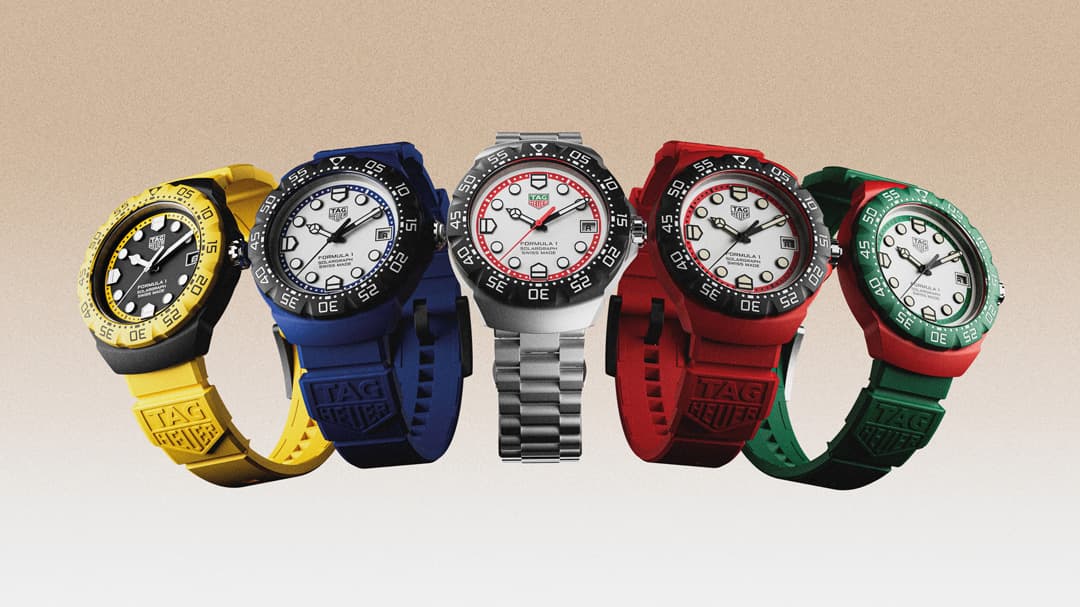
BT: We walk a fine line between the two. The Formula One Solargraph and the Monaco are perfect examples. The Monaco has always kept its iconic shape—change that, and it’s no longer a Monaco—but we innovate through materials, movements and storytelling.
At Geneva Watch Days, you’ll see how we use customer insights, new materials and evolving movements to honor our origins while moving forward.
Ambassadors play a part too. Steve McQueen was the icon of his time; today, Max Verstappen embodies that same spirit of performance and focus. Each year, we launch a Monaco for the Monaco Grand Prix with him, and it’s always a highlight.
DA: From a regional perspective, which of the new releases have generated the most excitement?
BT: The strength of TAG Heuer lies in the range of watches—from approachable models like the Formula One to high-complication pieces like the Monaco Split-Seconds. This allows us to reach new audiences while building loyalty.
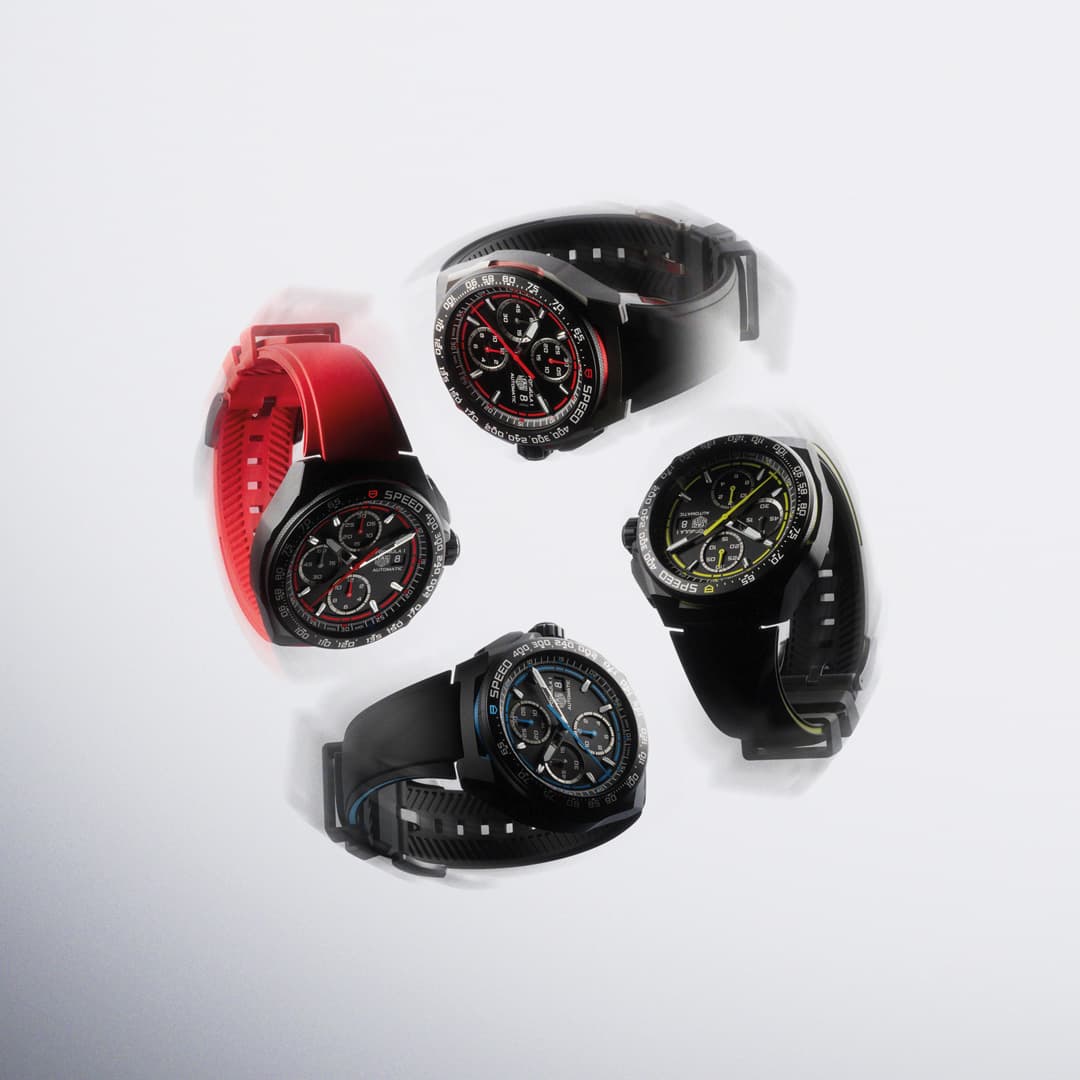
The Formula One 38mm Solargraph, for example, has been a huge success. People were asking for the return of that design, and we gave it a modern twist. It proves that innovation and loyalty to heritage can coexist beautifully.
Then there’s the Monaco Split-Seconds Chronograph. Only ten pieces were made, and all sold out instantly. A decade ago, few would imagine TAG Heuer selling watches at that level, but three of those ten went to VICs in Australia. At Watches & Wonders, some collectors were visibly emotional. It shows how powerful the brand’s legacy has become.
DA: Has there been a shift in how customers appreciate the technical side of watches, especially chronographs like the Monaco Stopwatch?
BT: Absolutely. There’s renewed appreciation for mechanical functions—GMTs, chronographs, pure watchmaking. TAG Heuer has always been known for these, but today we explain them better.
With stronger retail teams and closer client relationships, we can talk about details like why the Calibre 11 has a left crown or what defines a manufacture movement. Clients appreciate reliability, quality and evolution.
We’ve progressed from Calibre 5 to new manufacture movements with longer power reserves and warranties. The same goes for our chronograph calibers—from Heuer 01 and 02 to the new TH20. Each marks a new standard in precision and durability.
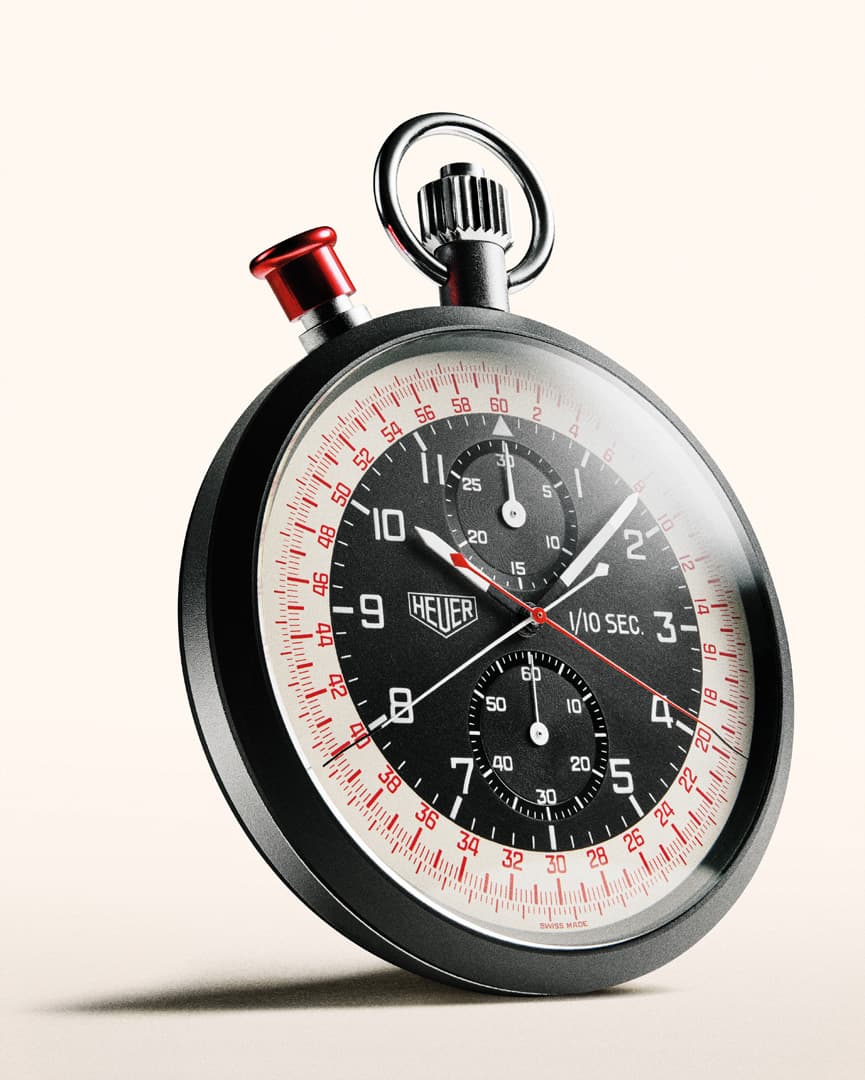
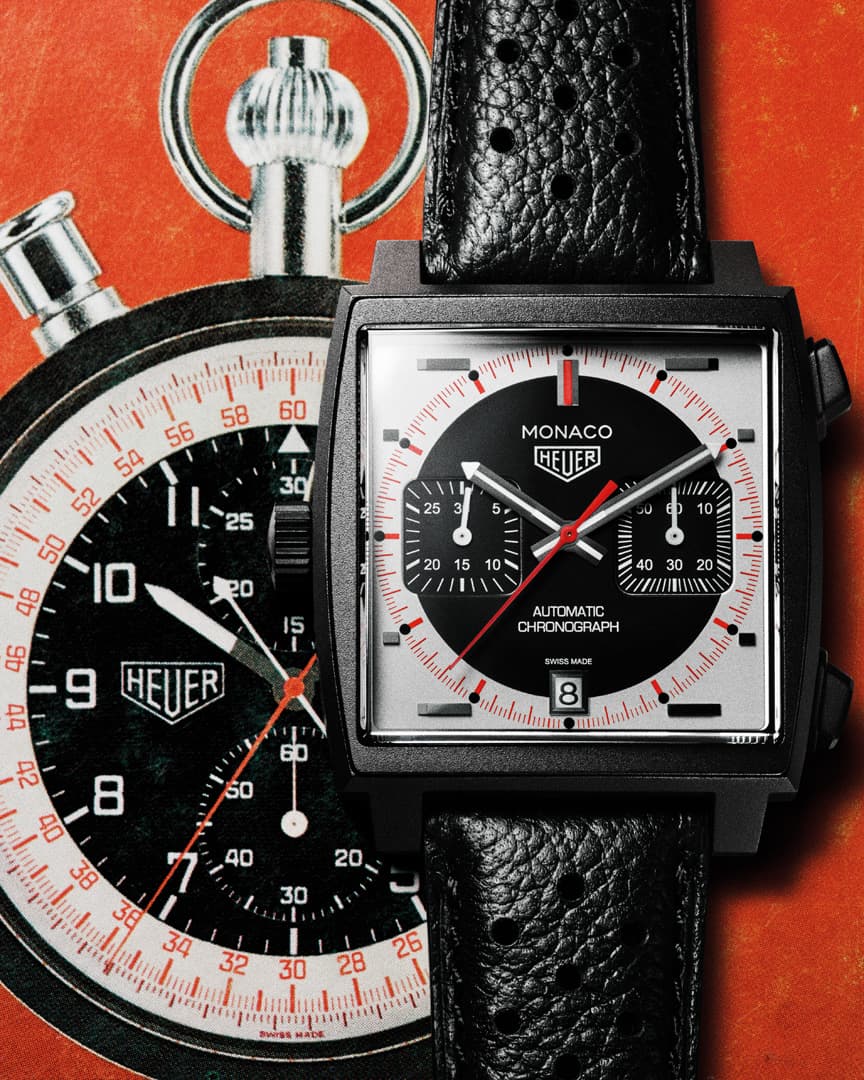
DA: The Monaco Chronograph Stopwatch revisits the design of the original Heuer stopwatch. Does this retro aesthetic resonate with younger collectors?
BT: Yes, very much so. We’re faithful to the original dial when we revisit heritage pieces. In our communication, we often show the new model next to the vintage one. It stirs nostalgia among long-time fans and helps educate younger collectors.
We explain the design story—why it’s called a “stopwatch,” the inspiration behind the dial—while updating the look with new materials and proportions. It’s about honoring the past through a modern lens.
DA: What do you think people still don’t know about TAG Heuer?
BT: That’s an important one. We’re working to tell more of our story—campaigns like “Designed to Win” are part of that.
Do people know that TAG Heuer was Formula 1’s official timekeeper from 1992 to 2003? That Ayrton Senna personally chose the S/EL watch? That the Formula One collection itself was born from our partnership with McLaren? These are stories worth telling.
When people understand our racing history, the emotional connection deepens. At a Formula 1 Grand Prix, you can feel the energy—the sound, the pressure, the adrenaline. That’s TAG Heuer.
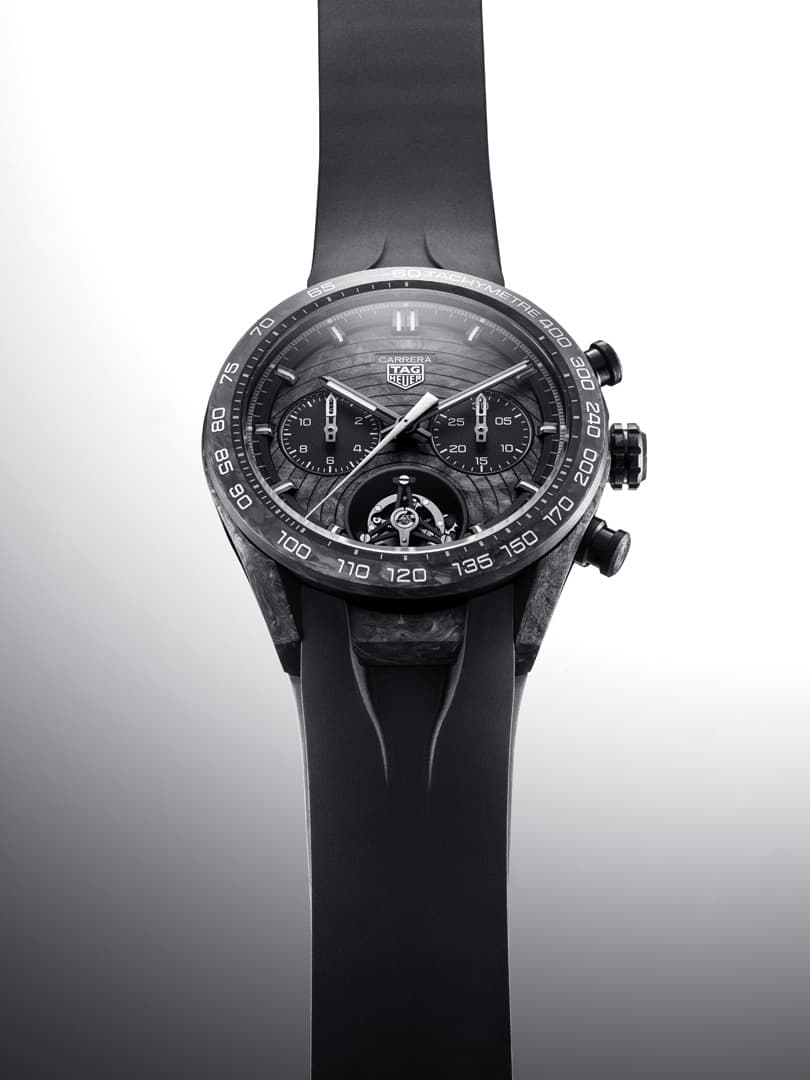
DA: If you had to introduce TAG Heuer to someone new, which watch would you start with?
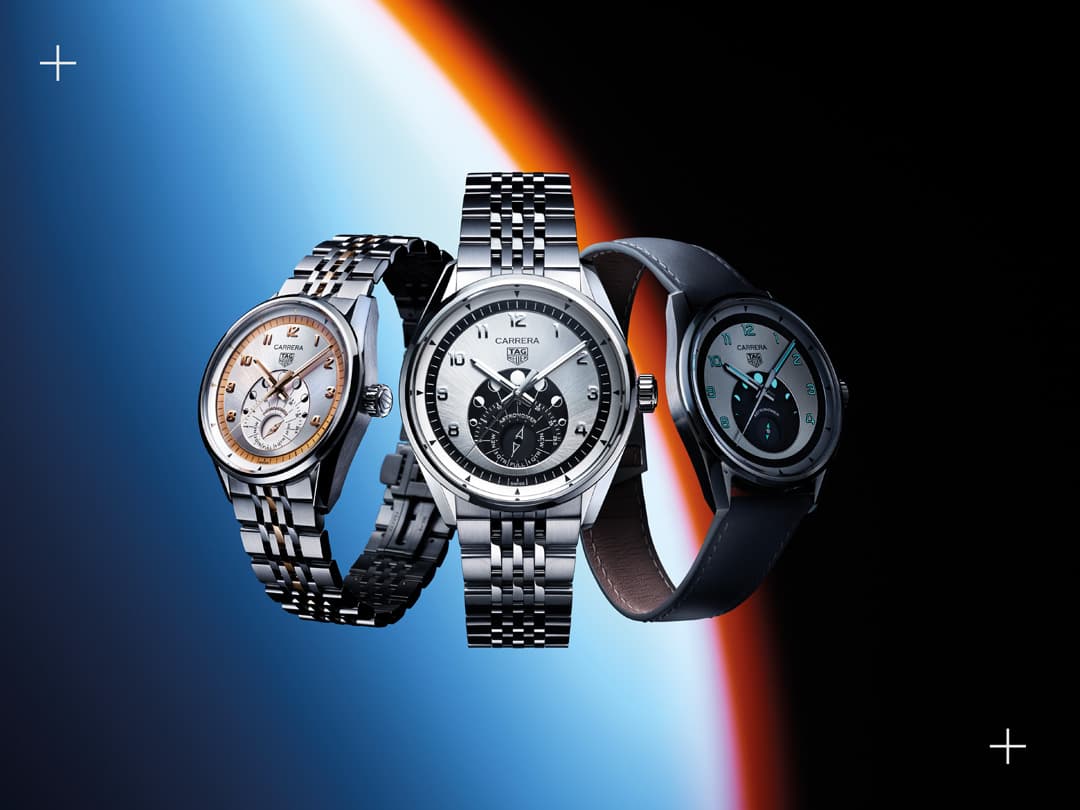
BT: I’d begin with the Monaco—it’s our icon and tells the story of where we come from. Then the Carrera, which represents our racing heritage and balance between sport and elegance. And I’d finish with the Connected Watch. It shows that TAG Heuer continues to push boundaries while mechanical watchmaking remains at the core of what we do. The Connected Watch often brings in new audiences who later discover our mechanical side.