


Staying healthy and fit is not about WHAT you eat, it’s about HOW you eat, and this, gents, is known as the ‘French Paradox’. By Salli Paradiso
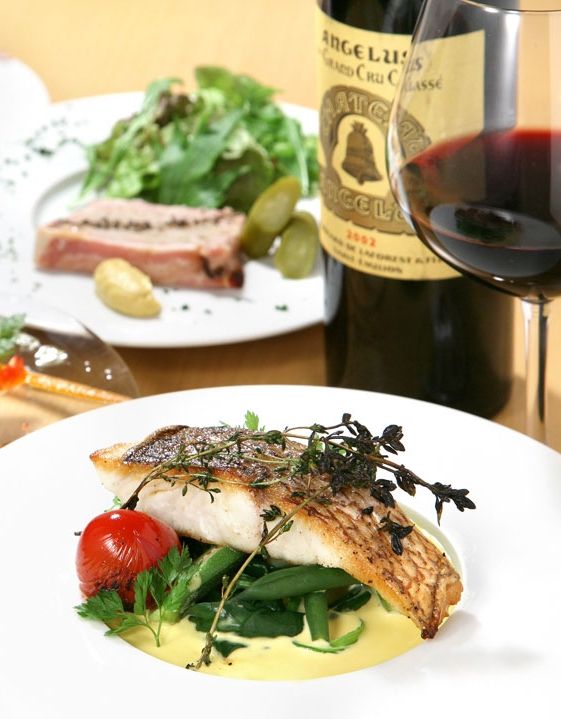
Ah the French: fine wine, fine art, delectable Vanessa Paradis, scrumptious Brigitte Bardot, delicious Catherine Deneuve, the glamorous Riviera, the iconic Eiffel Tower, Lance Armstrong (er… wait, he’s not French, he just owned the place for about a decade), it’s all very tasty.
An example of a taste-rich fine French cuisine
Then when you bite into those wonderful pastries, those rich cheeses and decadent chocolate mousses or sip on their full-bodied wine, it does make you wonder how all French are not hugely obese and dying of heart attacks. But no, they don’t get fat (at least like many other Europeans, Australians or North Americans do) or die or get strokes at the same rate as people in many otherwise similar countries. What in God’s green earth is going on here?
All the conventional wisdom we’ve ever been privy to has had it that if we stay away from those kinds of heavy, buttery, creamy foods and alcohol, we will stay hale and hearty. Well, this, my friends, is what’s known as the French Paradox.
Seemingly in spite of the relatively excessive ingestion of such fats, just 7 percent of Frenchmen and women are officially overweight (compared to over three times that many in the U.S., for instance).
Dr. William Clower, a neurologist from the U.S., was posted for two years in France. Out of that experience, he wrote a fascinating book entitled The Fat Fallacy: The French Diet Secrets to Permanent Weight Loss. In it, he describes how people from many other countries slim down if they are living for any length of time in France, or at least long enough to adopt some of the eating habits.
The people that live in France (the French and expats who live there) imbibe in plenty of wine, are constantly downing croissants, baguettes, fat-laced liver-based pâté de foie gras, creamy cakes, buttery treats, carb-laden pastries and calorific cheeses. So what gives? Why don’t these foods make them fat?
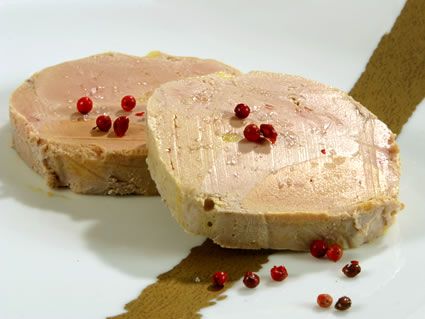
A mouth-watering foie gras
The reasons for this paradox are many, ranging from how they eat (slow eating) to the average amount served on a plate (either at home or in restaurants) to the type of drinks that accompany their food. Let’s look a bit more in depth at these factors.
Savoring each bite
The French take pleasure in and savor each bite of each meal, throughout their life. This slows down the entire eating process considerably. Scientists have found that when people eat slow, with smaller bites, the flavor comes out more and sates you more than the person who gobbled it down. Once satisfied, they don’t continue eating. The brain takes up to 20 minutes to signal your stomach and mouth that you are full. In those 20 minutes, a fast eater may have ingested up to 1,000 calories or more, which since they are “unnecessary,” will eventually turn into fat.
Researchers traveled to both France and the U.S. and went to hundreds of
McDonald’s. They found that French eaters stayed and ate an average of 22 minutes, but those in the U.S. at the same restaurant, eating essentially the same burgers and fries, wolfed down their food, on average, in just 14 minutes.
Eight minutes may not seem like a lot, but look at it as a percentage and then multiply that over a lifetime of meals. The French relax and take 60 percent longer to eat than the average American—giving their brain enough time to tell the stomach to stop before overeating.
Small is beautiful
The French Paradox can also be seen in the sizes of their meals. Medical and nutritional studies have proven that the French consume smaller portions, thus fewer overall calories, which means less fat people. In one study by the National Science & Research Institute of Paris, which surveyed both French and North Americans, showed that the French eat between 25 and 72 percent (depending on the food item, from yogurt to hotdogs) smaller portions.
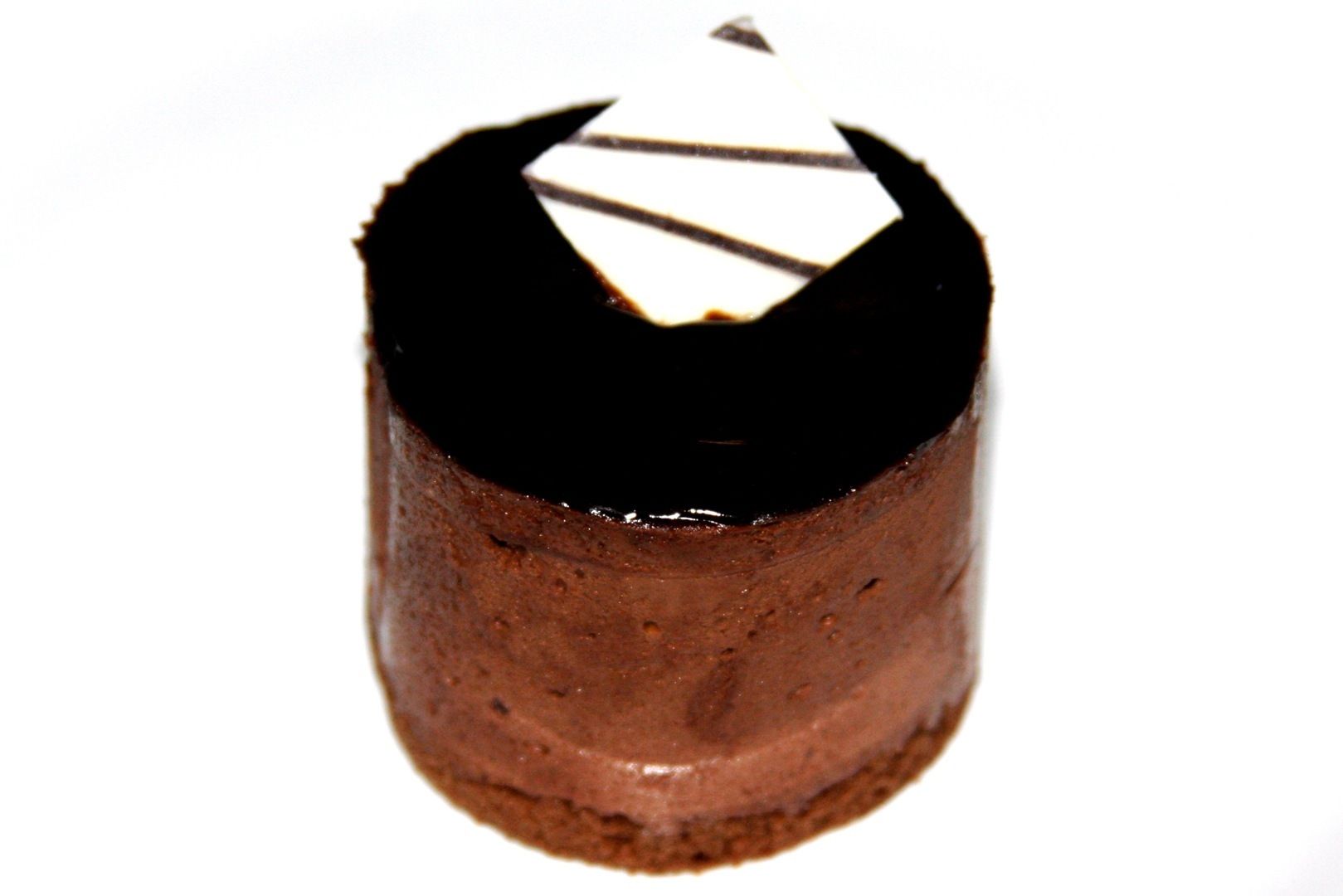
Chocolate mousse, a small-sized French dessert
Wining while dining
Wine, particularly red, is very likely one of the key aspects of the French Paradox. They drink it nearly all day long with their long meals, and even kids as young as 10 or 12 regularly imbibe. Scientists over the last decade have discovered the antioxidants (or flavonoids) in red wine indeed seem to actually promote healthy living, and are particularly good for blood vessels and the heart. The grapes used are one of the highest sources of these antioxidants.
Well, you say, what about just drinking grape juice? It seems the fermentation process makes the flavonoids much more potent than grape juice, and thus more beneficial. There are also scientists who have demonstrated that red wine actually neutralizes much of the negative aspects of the saturated fats found in such things as fois gras or the buttery pastries.

Other aspects
These three things above are the main reasons for the paradox, but there are several others that contribute, these include: large amounts of fresh vegetables and fruit; naturally prepared and fresh food as opposed to processed food; homemade meals as opposed to too many fast-food meals; drinking water (or wine) instead of sugary carbonated drinks; more disciplined eating habits; more walking from place to place than people in other countries.
Making sense of it
So what does it all mean? Do we have to move to France to stay fit? Well, no that’s the point. But if we adopt the same habits of slower and smaller—with any diet, from Indonesian fare to Chinese cuisine or Ethiopian food—it seems clear that we can enjoy food just as much as the French do and, like them, not get fat. DA
Click here to grab the April/May 2011 issue of DA MAN and see the full feature and more hi-res images of the article.